Cravings: Why They Happen And What To Do About Them

Cravings: Why They Happen And What To Do About Them

Have you ever noticed that cravings for broccoli are pretty rare? But SOS food (salt, oil sugar), we are all over that! Whoever invented salted-caramel-chocolate clearly understands how to engineer “food” to hit ALL the pleasure centers in the brain. Did I just make you crave salted-caramel-

Why do we crave things that are bad for us? The short answer is it’s rooted in human survival. There was a time when calorically dense food was at a premium. If a human was lucky enough to come across salty, sweet or fatty food, eating as much of it as they could was good for survival. But did you notice that little word or? SOS food doesn’t exist in nature. That combination is human designed. (Thank you Big Food making for big profits making us big people.) And it always comes in calorie dense, nutrition poor, fiber nonexistent packaging.

The pleasure centers of our brain get excited by ice cream (fat and sugar), cheese, (fat and salt), salty snacks (fat and salt) and all other manner of processed foods (always some combination of SOS, sometimes all three). But our bellies aren’t full and our nutrition needs aren’t met. And just like a drug or alcohol addiction, we can get down-right grumpy when we don’t have access to our addiction of choice. We know it’s not good for us. But we just can’t stop ourselves. We HAVE to have it.

Knowing why it happens is great. It gives us a place to put the blame. But how do we fix it? I’m not going to tell you it’s easy per se. But it also doesn’t require huge amounts of willpower. This is going to sound counter intuitive but go with me on this.

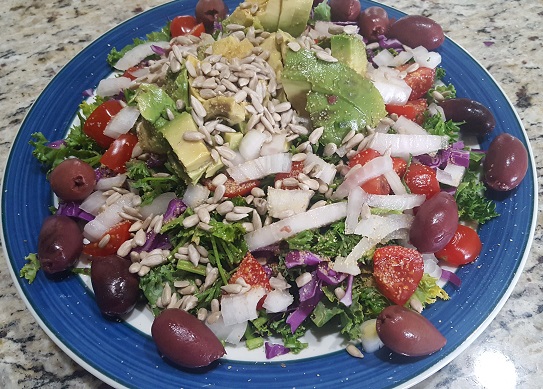
You need to eat more. Stop with the portion control nonsense! Of course, I don’t mean eat more of what you’re craving. Eat more real, whole, plant food! Your belly has stretch receptors in it. Stretch them with green leafy veggies, yellow and red veggies, and whole-food starches (that aren’t covered in animal products and oil). At the same time as you’re stretching the receptors in your stomach your brain is going to get the message, “Hey we’re getting a lot of great nutrients. Yay!” All because there is a TON of whole-food fiber in the food you’re eating (adding fiber from a canister isn’t going to get it done). The systems that are designed to make sure you eat enough to stay alive are being checked off. Enough volume? Stretch receptors: “Yes!” Enough nutrients? Density receptors: “Yes”

That deals with the physiological issue of cravings caused by your body thinking it’s starving. What about the Pavlovian (habit) issue? Let’s substitute whole-foods for the processed. Craving sweet? Try dried fruit like raisins, dates, figs, or apricots (no sugar added of course). Or frozen fruit. We like mangoes and cherries. Craving fat? Nuts and seeds are a great option. Craving salt? Celery is high in sodium. But what if you’re craving SOS? Celery with peanut butter and raisins to the rescue! Try almonds or cashews with raisins or apricots (wicked good!).

Over time your taste buds and the pleasure centers in your brain will change and you’ll start to “crave” healthy foods.

Cravings served a purpose once-upon-a-time. But that time isn’t now. Feed your body real, whole, plant foods and it will take great care of you. Science and 100s of 1000s of years of human history says so.

If you are ready to address how your cravings are negatively affecting your health, let’s set up a free get-to-know-you chat. Send me an email and let’s get you on track to taking control of your stress eating. Health@RnRJourney.com

Dr Robyn is a former competitive volleyball player turned psychologist with continuing education in nutrition. Russ is a former competitive bodybuilder and trainer on the Mr. Olympia Tour. They are the co-founders of Whole Food Muscle and the authors of How to Feed a Human The Whole Food Muscle Way. To work with them one on one to improve your health and fitness or to have them speak at your event or organization email them at Health@RnRJourney.com.
Fish – Not The Source Of Omega-3 You Think It Is

Fish – Not The Source Of Omega-3 You Think It Is

“I eat fish to make sure I get my Omega-3s” someone proudly announced the other day. My brain clicked open the “folders” on Omega-3s, Omega-6s, and fish. “It’s great that you know your body needs Omega-3s” I started. “Would you like a little more information about why Omega-3s are important and why fish isn’t a great source?” Sometimes the answer is yes. Sometimes people are just interested in believing they are right, even when the science says they’re wrong. Since you have joined us on the RnR Journey to Health, I’m going to assume you want what the science has to say.

Facts about Omega-3 and Omega-6

  • Omega-6 increases inflammation. A good thing if you have an injury or a cold that needs to be healed.
  • Omega-3 decreases inflammation. A good thing almost any other time.
  • Omega-6 found in abundance in the Standard American Diet (SAD); in corn and soybean oils for example.
  • Omega-3 harder to get unless you’re eating plant-foods. 2 tablespoons of ground flaxseed a day will give you all you need.

It’s not how much of each you have (more isn’t better) it’s the BALANCE between them. It should be about 1:1. People eating the SAD typically are closer to 16:1 (Omega-6 to Omega-3). Obviously, that is going to cause an inflammation problem.

How to reduce your Omega-6 intake

Start by avoiding fried, processed, packaged and hydrogenated “foods.” Restaurants aren’t doing you any favors either.

Why not fish for Omega-3?

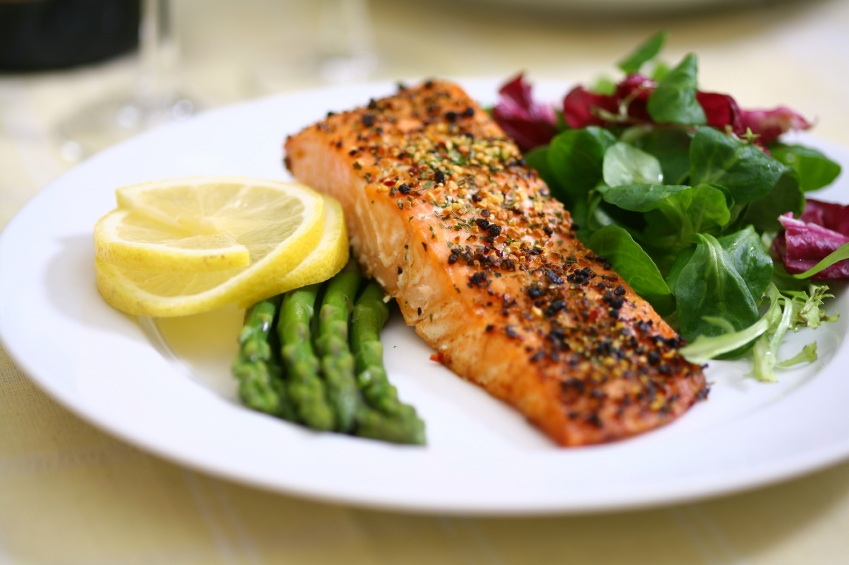
Usually fish get their Omega-3 the same way we should; from plants. But most of the fish available in the US aren’t getting their normal diet of plants. They are raised on fish-farms; 80% of which come from China. In China fish are fed pig and chicken feces (I don’t know how much Omega-3 feces have in them and quite frankly I don’t care). In America, fish are fed soy and corn (high in Omega-6). Farmed raised fish simply don’t have the Omega-3 levels we have been led to believe they do.

I hear you saying, “No worries. I’ll just eat wild caught fish!” You could certainly do that. And you might get the elusive Omega-3 you’re looking for. But be aware it comes packaged with just as much cholesterol as beef and with a side of heavy metal. Not to mention the risk of metabolic diseases of affluence like heart disease, diabetes and high blood pressure.

We are going to stick to eating ground flaxseed. It comes with a side of gut-healthy fiber. We recommend you do the same.

If you are ready to address how your food choices are negatively affecting your health, let’s set up a free get-to-know-you chat. Send me an email and let’s get you on track to taking control of your stress eating. Health@RnRJourney.com

Dr Robyn is a former competitive volleyball player turned psychologist with continuing education in nutrition. Russ is a former competitive bodybuilder and trainer on the Mr. Olympia Tour. They are the co-founders of Whole Food Muscle and the authors of How to Feed a Human The Whole Food Muscle Way. To work with them one on one to improve your health and fitness or to have them speak at your event or organization email them at Health@RnRJourney.com.
Are Children Being Done A Disservice?

Are Children Being Done A Disservice?

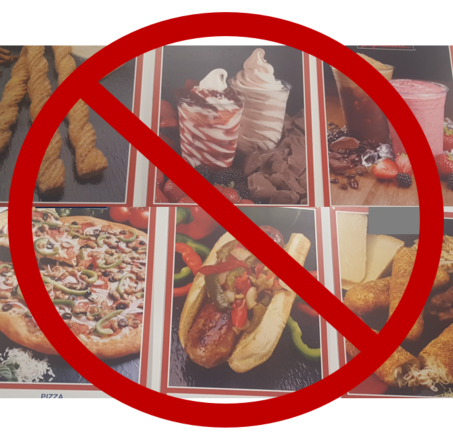
Dr. Caldwell Esselstyn from the Cleveland Clinic is one of the whole-food plant-based (WFPB) advocates we follow. We were not surprised but were quite disappointed to learn that other cardiac physicians at the clinic won’t refer their patients to him; using the excuse, “They (the patients) will never go on that strict diet.” BUT (this is huge for us) those same doctors will come to Dr. Esselstyn themselves and send their family members when they have heart disease. Because “that strict diet” will save their lives. To us that sounds like withholding treatment options and malpractice. Deciding for the patient what they will or won’t do without ever giving them the information doesn’t seem right. But we aren’t lawyers and that’s not what this post is about.

In talking to people about the benefits of the WFPB lifestyle we often hear, “My kids would never do that” or “We could never do that. We have kids.” as a reason not to eat more plants. We don’t have kids, but we do know whole families who are moving towards being WFPB and enjoying it. We even know several teens leading the charge. Is it really the kids or is that just the first thing that comes to mind for people to say to us as an excuse? We have not idea. But it got us thinking.

How is it any different for adults to decide to feed their kids the Standard American Diet (SAD) when they know plants are healthier? Or to not give their teens the opportunity to eat foods that will reduce their acne, keep their heart healthy and reduce the risk of their developing type 2 diabetes in the future? As adults we know how hard it is to get our taste buds to acclimate to enjoying foods that haven’t been processed with tons of salt, sugar and fat, why would someone put their children on the path to have to make that change later in life (or risk suffering from one of the common chronic diseases)?

Typically, a child has to be introduced to a new food 10-15 times before he or she accepts it. The exceptions are sugar and fat. Have you seen the video of the toddler trying bacon for the first time? It’s a little sad how much he loves it and the path that puts him on for life.

We certainly aren’t in the business of giving child rearing advice. And we aren’t suggesting someone could hide their child from all animal and processed products for life (let’s not even get started on what they are fed at school). Our goal is to provide something to consider and allow you to make decisions based on real information. Perhaps fat, salt or sugar treats as rewards aren’t the best option. What relationship does that create for the child with food? How does it condition their taste buds? Is that the best path for their long-term health?

We aren't saying that a piece of birthday cake or a cookie now and then is the end of the world (Robyn likes cookies!). But perhaps we could think a little more about "food" as a reward when we win, a consolation prize when we lose and a celebration whenever we have an excuse.

If you are ready to address how your food choices are negatively affecting your health, let’s set up a free get-to-know-you chat. Send me an email and let’s get you on track to taking control of your stress eating. Health@RnRJourney.com

Dr Robyn is a former competitive volleyball player turned psychologist with continuing education in nutrition. Russ is a former competitive bodybuilder and trainer on the Mr. Olympia Tour. They are the co-founders of Whole Food Muscle and the authors of How to Feed a Human The Whole Food Muscle Way. To work with them one on one to improve your health and fitness or to have them speak at your event or organization email them at Health@RnRJourney.com.

Family History vs Personal Destiny

Family History vs Personal Destiny

Melanoma runs in my family.” If I (Robyn) said that once I said it a thousand times. When I was diagnosed with melanoma almost ten years ago, I wasn’t surprised. Fortunately, I have had regular skin checks my entire adult life. “Curing” my melanoma was a matter of a simple outpatient surgery and a few stitches. The only real impact on my life was not being able to bike ride for several weeks. I barely even have a scar. But since then I have been certain that I would get it again. Does science bear that out?

All things being equal, yes. But things aren't equal for me anymore.

I have had people tell me that heart disease, diabetes, obesity, high blood pressure, high cholesterol and many other human ailments run in their family as if it is a death sentence over-which they have no control. That there is no point in their trying to be healthier because they are set up to fail by their DNA. For most of my life I believed it.

But is it the truth?

Science suggests that about 2% of disease is in fact, “in our DNA.” That no matter what you do, you are destined to get whatever that disease is. But that means that 98% of diseases aren’t DNA driven. 98% of the time we CAN do something to avoid, halt and even reverse a disease. Getting it or not getting it is related to our environment.

The science is strong that heart disease (#1 killer in the US), diabetes (#7 killer in the US), obesity, high blood pressure and high cholesterol can be avoided, halted and reversed by moving towards a whole-food plant-based (WFPB) lifestyle. If you already have one of those diseases or have a family history of them, let’s chat. There is zero reason for you to be suffering.

But what about cancer? Cancer’s just bad luck – right? I used to think so. But knowing what I now know about the science and how cancers come to be, I don’t think that’s the case. I believe if I had been WFPB I likely wouldn’t have had melanoma. And now that I am WFPB, the sun doesn’t scare me like it used to. Will I still be careful to not get sunburned? Yes. That’s just common sense. But I will no longer feel like I have failed when my skin gets a little bit of color in the summer months. I need the vitamin D my body makes from the sun and I am confident that, because I’m no longer stressing my system by forcing it to process high levels of dairy and meat, it will notice and either control or destroy any broken cells that might otherwise have become cancer.

My family history is no longer my destiny and yours doesn’t have to be either.

If you are ready to address the way Family History vs Personal Destiny is negatively affecting your health, let’s set up a free get-to-know-you chat. Send me an email and let’s get you on track to taking control of your stress eating. Health@RnRJourney.com

Dr Robyn is a former competitive volleyball player turned psychologist with continuing education in nutrition. Russ is a former competitive bodybuilder and trainer on the Mr. Olympia Tour. They are the co-founders of Whole Food Muscle and the authors of How to Feed a Human The Whole Food Muscle Way. To work with them one on one to improve your health and fitness or to have them speak at your event or organization email them at Health@RnRJourney.com.
My Doctor Wants Me To Go WFPB. Help!

My Doctor Wants Me To Go WFPB. Help!

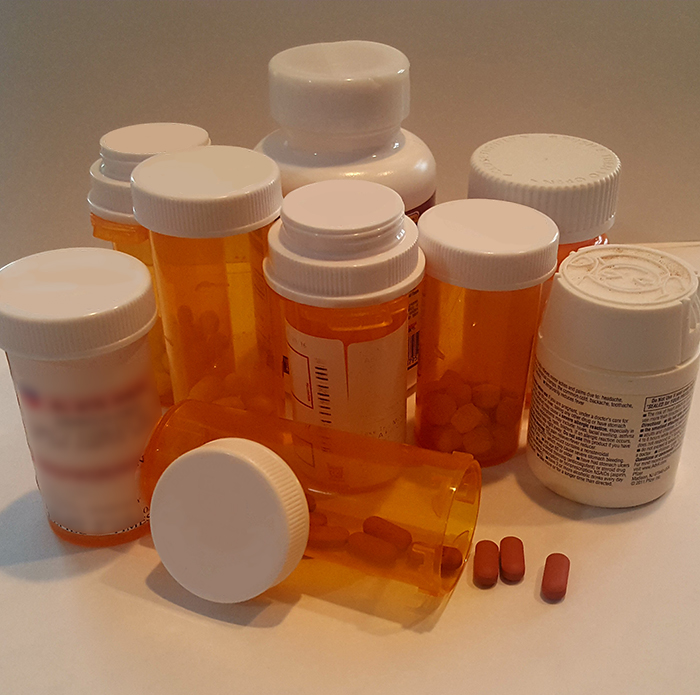
Medical professionals are starting to understand and recommend the whole-food plant-based lifestyle to their patients. But when Google says, WFPB eliminates or severely limits all animal products, (including beef, pork, chicken, turkey, fish, dairy and eggs) and all processed foods (including all packaged foods, oils and sugars) most people reply, “What’s left to eat?!?!”

There is A LOT left. It’s simply a matter of changing the way your brain categorizes food. This is a short list of some yummy things on the WFPB lifestyle:

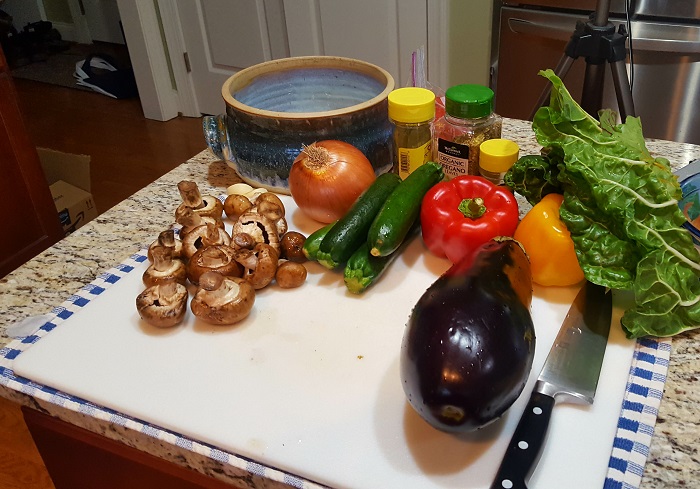
  • Fresh or frozen Vegetables: beets, peppers, radishes, onions, potatoes, rhubarb, tomatoes, butternut squash, carrots, pumpkin, rutabagas, summer squash, corn, winter squash, cauliflower,  garlic,  ginger,  artichokes,  mushrooms,  parsnips, sweet potatoes, yams, shallots, turnips, artichokes, arugula, asparagus, broccoli, broccoli rabe, brussel sprouts, green beans, cabbage, celery, cucumbers, endive, kale, spinach, swish chard, leeks, lettuce, green onions, okra, peas, snow peas, sugar snap peas, watercress, zucchini, black olives, cabbage, eggplant, etc.
  • Fresh, dried or frozen fruit: apples, apricots, avocado, bananas, blueberries, blackberries, cantaloupe, cherries, cranberries, dates, figs, grapes, grapefruit, honeydew melons, kiwis, lemons, limes, mangos, nectarines, oranges, papaya, peaches, pears, pineapple, plums/prunes, pomegranate, raspberries, strawberries, tangerines, watermelons
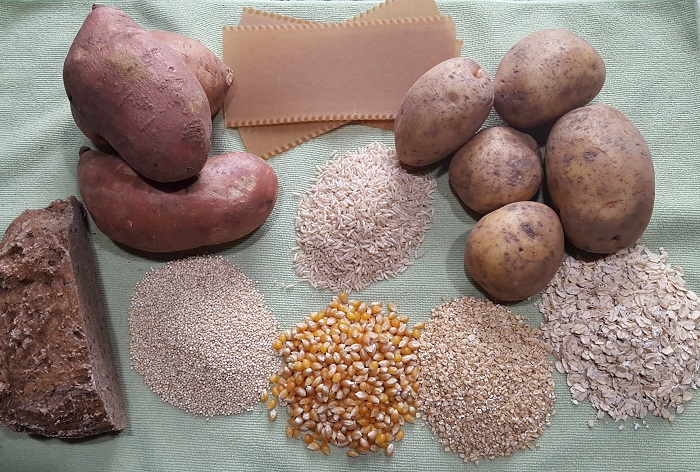
  • Whole grains: barley, brown rice, buckwheat, bulgur (cracked wheat), millet, rolled and steel cut oatmeal, and popcorn, etc.
  • Beans/lentils: black beans, black-eyed peas, cannellini beans, edamame, fava beans, garbanzo beans, green beans, kidney beans, lima beans, mung beans, navy beans, green peas, pinto beans, red beans, soy beans, wax beans, white beans, etc.
  • Nuts/legumes: walnuts, brazil nuts, almonds, peanuts, pistachios, pecans and cashews, etc.)
  • Seeds: pumpkin, sunflower, chia, flaxseed, etc.
  • Minimally processed foods such as whole wheat bread and pasta
  • More spices than we could possibly list.

As you can see, it’s not a matter of not having anything left to eat, but rather thinking about what’s left as main dishes rather than “sides.” You will also find that as your taste buds "unclog" from the fats and oils, plant foods will taste different and better. Foods you thought you didn’t like, you suddenly might enjoy.

Where to start.

You don’t have to jump off the cliff, throw everything in your house away and start eating only plants tomorrow. We were “veganish” for about 6 months as we educated ourselves about being whole-food plant-based. Being only about 75% WFPB we both lost 15 pounds and lowered our cholesterol under 200 in 10 weeks. You don’t have to be 100% to see benefits.

Look at what and how you’re eating now. Can you replace some of your snacks with fruit? Maybe switch out bacon and eggs for oatmeal loaded with fruit (we like blueberries, raspberries, bananas nd raisins on ours). What about making your favorite dish with beans instead of hamburger? If you use all the same spices it will taste really similar.

Dairy and eggs need the boot

Dairy products (milk, cheese, yogurt, ice cream) are really hard on the human system and science shows that they promotes cancer. Cheese is the number one source of saturated fat in the American diet. Start weaning yourself off of it. Switch to plant milks and give up cheese and yogurt (Even vegan substitutes are loaded with oil. Members can see a discussion about that on the community page). You can replace ice cream with frozen, blended fruit. Just add a little plant milk and vanilla extract. Yum!

We did a Facebook live about eggs on 3/13/18. They are the number one source of cholesterol in the American diet. Plus, they are animal protein so all the commentary on animal protein promoting disease applies. For baking there are a host of plant-based alternatives (There is a list of them on the community page under WFPB). Be wary of egg substitutes as many of them do contain egg whites.

Oils were the last to go

For us, oil was the last thing we let go of in the house but turned out to be the easiest. We just cook with veggie broth or water. But if you’re stressed thinking about that, just start to cut back on how much and how often you use it.

Bottom line

Start by eliminating dairy and eggs and then start replacing other animal products and processed foods with plant-foods.

If you would like to have a personal conversation about your situation and get ideas what might work for you, book a consultation with Dr Robyn.

Dr Robyn is a former competitive volleyball player turned psychologist with continuing education in nutrition. Russ is a former competitive bodybuilder and trainer on the Mr. Olympia Tour. They are the co-founders of Whole Food Muscle and the authors of How to Feed a Human The Whole Food Muscle Way. To work with them one on one to improve your health and fitness or to have them speak at your event or organization email them at Health@RnRJourney.com.

What We Eat When We Didn’t Plan Ahead

What We Eat When We Didn’t Plan Ahead

Meal prepping is such a “thing” these days and you know that I (Robyn) usually cook two big recipes over the weekend and that’s what we eat all week. But what if I don’t cook, there isn’t enough or we just don’t feel like eating what I made? Then what?

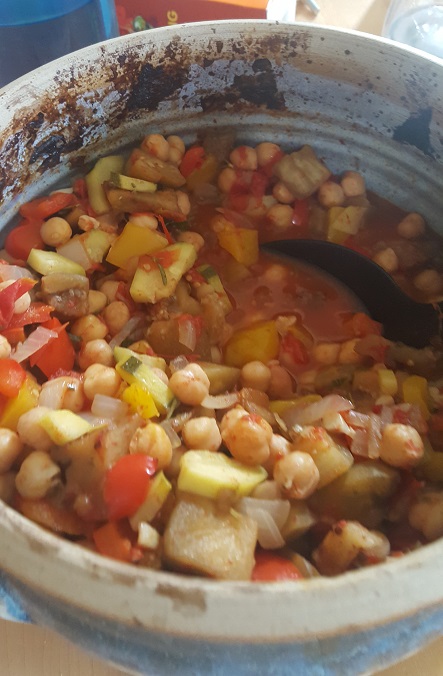
Because we make a point to keep some standard staples in the house we can always throw together a meal or 5 with no planning at all. Here are some ideas:

  • Oatmeal with fruit (you know this is our go-to food in a pinch)
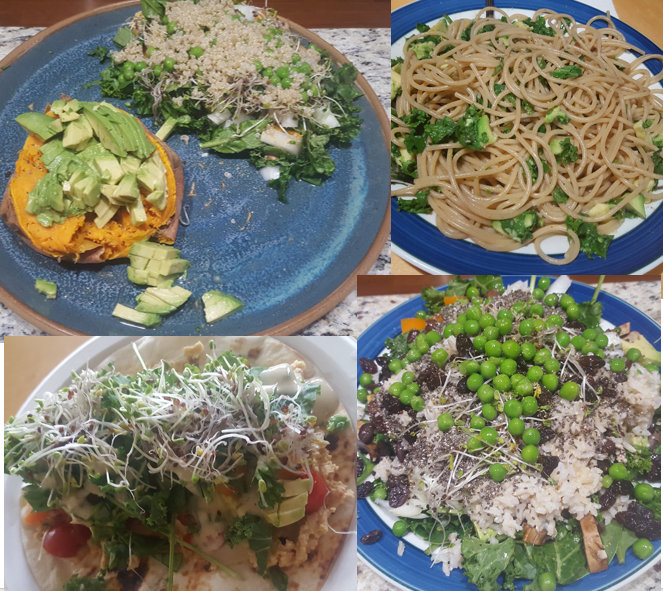
  • Sweet potato with avocado and beans (Robyn likes lemon pepper seasoning on hers)
  • Whole-wheat pasta with marinara sauce, veggies and beans
  • Big salad: Kale, spinach, seeds, nuts, veggies, fruit, avocado, beans and/or quinoa
  • Veggie wrap: hummus and salad fixings in a toasted tortilla
  • Whole-wheat bread or tortilla with hummus or peanut butter (add raisins to make it really yummy!)
  • Potato with peas and corn (Russ likes apple cider vinegar on his)
  • Rice or quinoa and beans with marinara sauce (with or without adding taco seasoning and veggies)
  • Quinoa and fruit (you can eat quinoa just like oatmeal and it is even good cold)

You can mix and match any of the above to create a healthy and filling meal with no planning.

If you’re super hungry and need something to munch on while you wait for your potatoes or rice to cook, a few raw nuts and raisins are a great option and so is celery with a nut-butter of your choice.

Planning ahead is ideal. But it doesn’t always happen. That doesn’t mean you are destined to eat processed not-really-food or not-good-for-you takeout. It’s all about keeping real food you can make easily in the house.

Do you have a go-to, healthy, in-a-pinch option you love? Members please share on the community page!

If you are ready to address how your food choices are negatively affecting your health, let’s set up a free get-to-know-you chat. Send me an email and let’s get you on track to taking control of your stress eating. Health@RnRJourney.com

Dr Robyn is a former competitive volleyball player turned psychologist with continuing education in nutrition. Russ is a former competitive bodybuilder and trainer on the Mr. Olympia Tour. They are the co-founders of Whole Food Muscle and the authors of How to Feed a Human The Whole Food Muscle Way. To work with them one on one to improve your health and fitness or to have them speak at your event or organization email them at Health@RnRJourney.com.
You Can’t Trick the Human Body

You Can’t Trick the Human Body

Somewhere in the last 30 or so years we’ve let Big Food and Big Pharma with the nod from Big Government convince us that the human body doesn’t know how to be healthy on its own and we need them to tell us what is best for us. Along with that information came the idea that being overweight and sick is normal and, for good measure, our own fault because we are lacking motivation and willpower. And by listening to them we’ve only gotten sicker and fatter.

Let’s look at three health myths we’ve been sold and what the real outcomes are:

Myth # 1 – Fake sweeteners will save us from obesity

Truth – Various fake sweeteners are associated with migraine risk, insulin resistance (which leads to diabetes), irritable bowel disease, and Crohn’s disease. And because your body was expecting calories due to the sweetness and didn’t get calories, it makes you go ahead and eat more calories later than you otherwise would have. So, they don’t help with the obesity issue after all.

What to do instead – Blackstrap molasses and date sugar. They both have calories and should only be used sparingly and to encourage us to eat real, whole, plant foods. But they do have some nutritional value.

Myth # 2 – Low fat will save us from heart disease

Truth – When we were told that fat was making us fat and killing us with heart disease, we listened and suddenly anything with “low-fat” splashed across the package became synonymous with “healthy.” Unfortunately, often sugar was added to make up for the lost flavor and in the case of dairy products, reducing the fat content increased the percentage of protein. Milk protein has been linked to cancer promotion. Thirty + years on we are fatter and heart disease is killing more of us than ever.

What to do instead: The issue isn’t “fat” across the board. It is the saturated fats found in animal-based products (meat, dairy, eggs) and processed plant fats (oil). Become a flexitarian (eating meat only once maybe twice a week) and you reduce your risk of heart disease by 27%. Vegetarian (no meat) and you can drop your risk 53%. Go vegan (no meat, dairy or eggs) and your risk drops 61%. But what if you go whole-food plant-based (no meat, dairy or eggs, plus minimize oils and sugar, AND eat high fat plants like nuts)? Now your risk of dying of heart disease drops a striking 80%! Need we say it? Eat whole-food plants!

Myth # 3 – Eating carbs* is making us fat 

Truth – The human body burns carbs as fuel and is very inefficient at converting carbs to fat. If carbs are stored, they are stored as glycogen and then burned as heat. However, the animal protein and fat you’ve been putting on your carbs (think, loaded baked potato) are easily stored as fat. Your brain needs about 500 calories of carbs a day. It’s the only fuel your brain can burn. Going low-carb, which by definition means high-fat and high-protein, stresses the human system. Sure, you can lose weight in the short-term because you’re cutting calories. But going low-carb is mortgaging your future health for short-term weight loss. It’s not good for humans, no matter what fancy, fad-diet name is used.

What to do instead – Humans thrive on a diet that is about 85% whole-food starch (carbs). Fill your belly to your heart’s content with root veggies like potatoes and sweet potatoes, grains like brown rice, whole wheat and quinoa and legumes (beans, peas, etc). They will fill you up, keep you satisfied and keep your brain running like a champ. And you’ll likely reach and maintain your ideal weight without ever feeling deprived.

*Note: Not all carbs are equal. We are talking here about whole-food plant carbs. All bets are off if you fill up on processed carbs that are loaded with sugar like cakes, cookies, and donuts. I don’t want to hear, “Well RnR said carbs were good” as an excuse to eat half a birthday cake.

The bottom line – You can’t trick the human body. Chemicals meant to mimic food, aren’t food and they are going to cause problems. Hunger is an engrained survival instinct. You cannot make a lifestyle of depriving yourself. Give your body the right fuel and it will take really good care of you.

Are you ready to take back control of your health? Book a consultation with Dr Robyn today to outline where you are and how to get started. Your health is your responsibility.

Dr Robyn is a former competitive volleyball player turned psychologist with continuing education in nutrition. Russ is a former competitive bodybuilder and trainer on the Mr. Olympia Tour. They are the co-founders of Whole Food Muscle and the authors of How to Feed a Human The Whole Food Muscle Way. To work with them one on one to improve your health and fitness or to have them speak at your event or organization email them at Health@RnRJourney.com.

Losing Weight At Any Cost Shouldn’t Be The Goal

Losing Weight At Any Cost Shouldn’t Be The Goal

There are lots of ways to lose weight; heroin, cocaine, chemo, getting really sick, diet pills from the 70s. No one (at least we hope no one) is going to choose any of those options on purpose because we know the damage to our health isn't worth it. And yet, when the newest fad diet  shows up on the news we somehow forget that a "quick fix" is NOT a good idea and we clamor on the bandwagon.

Some of the popular fads right now:

Low carb (yes again) - People lose weight on low carb diets because they also tend to cut calories. It is impossible to sustain low calorie intake over the long-term and since your body runs best on carbs, high fat/high protein intake gums up the inter-workings. The science is clear, diets (whether we are "dieting" or not) high in fat and animal protein don't do a body good. [Argument: But our ancestors ate tons of meat during the Paleolithic Period! RnR Response: That study was never meant to inform how we should eat and they didn't eat nearly the amount of meat that is in the Standard American Diet, let alone a low carb diet. Not to mention, humans in the Paleolithic Period only lived to be about 25 years old. Not long enough to get heart disease, diabetes, obesity, high blood pressure, and/or high cholesterol.]

Shakes/delivered food (yes still) - People lose weight on these diets again because they cut calories from what they would normally eat. Unless you can see yourself buying that food and staying on that plan forever, it is not a long-term solution for weight loss. Not to mention our bodies are designed to chew food and eat until we are full. RnR is interested in the lifetime safety of items designed to trick our body into not chewing or being full. So far there is no longitudinal (long term) data. The people taking them now can let us know in 20-30 years how it was for them.

Patches to boost metabolism (well that's new) - Stimulants aren't the choice we make for our health here at RnRJourney. Anything that pushes the body's adrenals sounds like a short-term "fix" to a long-term problem to us.

Whole nutrition in a capsule (I don't think that word means what you think it means) - If the package the nutrients came in (ie the fruit/veggie/fiber and water) isn't there, perhaps "whole" isn't the right word.

Most of these products are "supplements" so there are no safety standards and they are self-policed. Are you willing to trust your health to the honesty of a corporation out to make a dollar?

The question we always ask about the pills, potions, lotions and lore is, have they been put to the scientific test against a whole-food plant-based lifestyle(or at least something close)? For us that is the gold standard because humans have been doing pretty well on it for a LONG time AND all the recent science (the last 100+ years or so) have found that eating plants is pretty darn good for us. Not to mention there is no need to count calories!

If you are ready to address how your food choices are negatively affecting your health, let’s set up a free get-to-know-you chat. Send me an email and let’s get you on track to taking control of your stress eating. Health@RnRJourney.com

Dr Robyn is a former competitive volleyball player turned psychologist with continuing education in nutrition. Russ is a former competitive bodybuilder and trainer on the Mr. Olympia Tour. They are the co-founders of Whole Food Muscle and the authors of How to Feed a Human The Whole Food Muscle Way. To work with them one on one to improve your health and fitness or to have them speak at your event or organization email them at Health@RnRJourney.com.
What Is Sugar Alcohol?

What Is Sugar Alcohol?

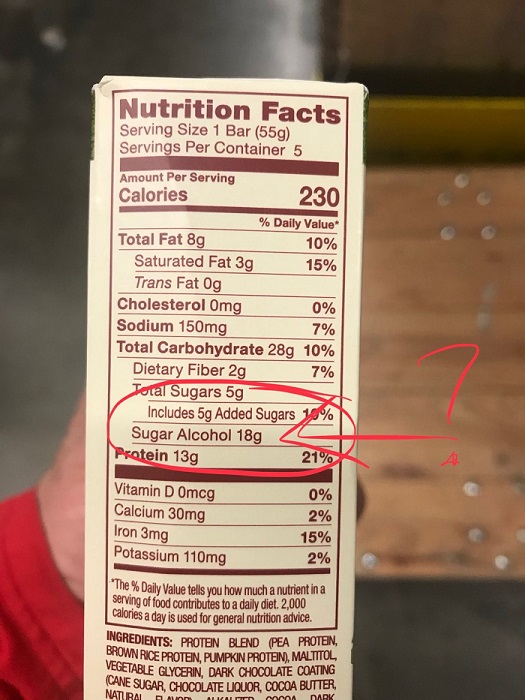
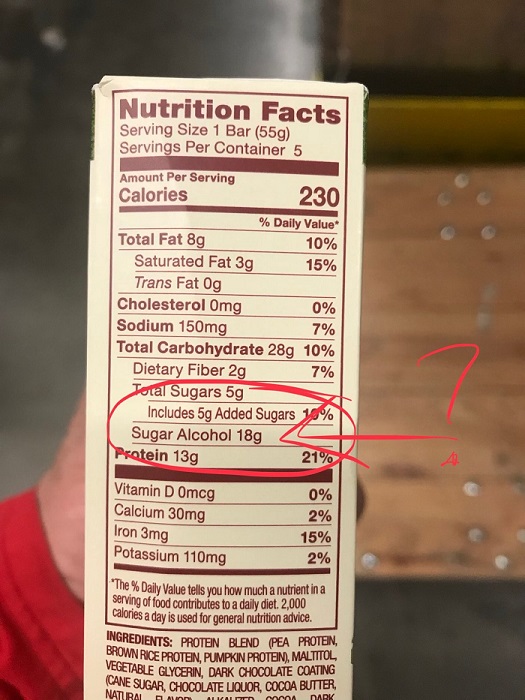
This week a client sent us a picture of a box of “High Protein Bars” that said “Plant Based,” “vegan,” “gluten free,” “5g Sugar” and “naturally flavored” on the front. But the nutrition facts had “Sugar Alcohol 18g.” Our client had circled it in red and put a big question mark next to it.

What is Sugar Alcohol?

You might also see it labeled as mannitol, sorbitol, xylitol, lactitol, isomalt, maltitol or hydrogenated starch hydrolysates (HSH). But since consumers are starting to get smart about ingesting things they can’t say, “sugar alcohol” is the new, easy-to-say option when there is more than one sugar alcohol in a product. Sugar alcohol is found in sugar free processed food-like products. It does not raise blood sugar as much or have as many calories as sugar, but it tastes much sweeter.

Here are the down sides (there are more than one): They can cause bloating and diarrhea (fun) and because it tricks your brain into thinking you’re eating something sweet without actually getting the calories of something sweet, you are likely to eat more calories later to make up for it (the same is true of all fake sweetness).

Bottom line: Even though it is derived from a plant, it’s certainly not whole-food. Don’t be tricked by packaging that says all the right things on the front and hides the truth on the back. Run; don’t walk, to the produce section!

If you are ready to address how your food choices are negatively affecting your health, let’s set up a free get-to-know-you chat. Send me an email and let’s get you on track to taking control of your stress eating.

Email Dr Robyn @ Health@RnRJourney.com

Dr Robyn is a former competitive volleyball player turned psychologist with continuing education in nutrition. Russ is a former competitive bodybuilder and trainer on the Mr. Olympia Tour. They are the co-founders of Whole Food Muscle and the authors of How to Feed a Human The Whole Food Muscle Way. To work with them one on one to improve your health and fitness or to have them speak at your event or organization email them at Health@RnRJourney.com.