Fun Plant-Based Foods To Try

Fun Plant-Based Foods To Try

Last week I was talking to someone who has been yo-yo dieting 50ish pounds for the entire 12 years I’ve known him. When I suggested he might stop dieting and start eating by moving towards being more plant-based he replied, “That’s WAY too restrictive!” I explained that I eat much more variety now than I ever did on the Standard American Diet (SAD). To which he said, “You can go ahead and admit it’s restrictive to me. I’m not a client.”

Let’s overlook the fact that he suggested I lie to clients and focus on the fact that it made me wonder if Russ and I are the only people whose diet got MORE interesting when we switched to being plant-based. I did an informal survey by posing a question to the plant-based/vegan community: “What foods do you eat now that you had never tried before you changed your diet?”

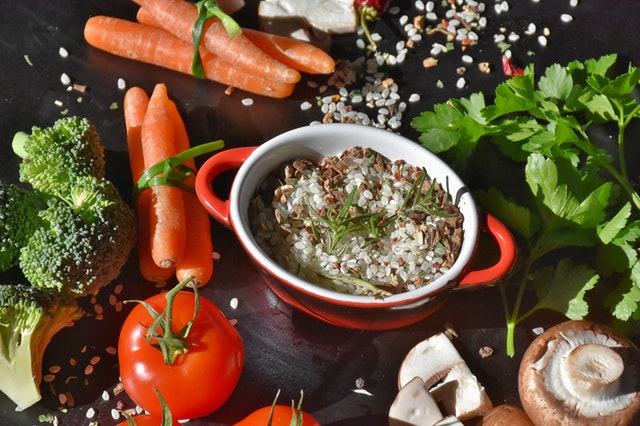
I learned a few things I need to try soon. Here’s a partial list:Arugula x2
Asparagus
Avocado x8
Baby spinach
Bananas x3
Bean burgers x2
Beans x2
Beets x2
Broccoli x2
Brussel sprouts x2
Cabbage (red and green)
Cacao
Carrots
Cashews
Cashew yogurt (processed)
Cauliflower
Celery
Chia seeds x2
Chickpeas x2
Collards
CONGEE (I had to look this one up)
Couscous x2
Curry
Donut peaches
Eggplant x2
Falafel x2
Flaxseeds x3
Greens
Hemp
Hummus x2
Indian food
Jack fruit (We haven’t tried yet)
Kale x7Kimchi x3
Lentils x5
Liquid smoke
Maca (had to look up)
Macadamias
Maple syrup (still sugar, we use it)
Medjool dates x3
Micro greens
Moringa (had to look up)
Mung beans, cooked and sprouted
Nectarines
Nutritional yeast x4
Okra
Plant milks x11
Peas
Pecans
Peppers
Potatoes
Pumpkin seeds x2
Quinoa x3
Radishes, raw and roasted
Rice
Sauerkraut x2
Smoked paprika
Spinach
Sprouts x2
Sriracha
Sunflower seeds
Sweet potatoes
Tempeh
Tofu x4
Turnips
Walnuts

“Literally everything. My idea of healthy was having one salad on Sunday with load of ranch and bacon.”

“I eat a wider variety of food in general since going vegan and I have pretty much given up sweets.”

Now, you might be looking at the list and thinking, “I eat MOST of those foods.” And I’m sure you’ve heard of them and even had them once or twice. But how often do you actually consume them? That’s what makes the difference when you start moving towards being plant-based. It’s not that you have to eat a bunch of foods you’ve never heard of (although it is fun to try new things). You simply start adding more variety of foods you know are good for you but you aren’t currently eating.

The point is, being plant-based isn’t at all about restricting what you eat. There is a whole world of amazing foods to try and to love. I used to say that I ate to live, not because I enjoyed it. Since going whole-food plant-based, I’ve become a bit of a foodie; and it’s fun.

I would encourage you to add a few (or all) of these to your meal rotation. You will soon realize that what you’re eating now is pretty boring.

Do you have a plant-based food you've added to your diet that's not on this list? I'd love to hear about it!

Dr Robyn is a former competitive volleyball player turned psychologist with continuing education in nutrition. Russ is a former competitive bodybuilder and trainer on the Mr. Olympia Tour. They are the co-founders of Whole Food Muscle and the authors of How to Feed a Human The Whole Food Muscle Way. To work with them one on one to improve your health and fitness or to have them speak at your event or organization email them at Health@RnRJourney.com.
How Much Should I Weigh?

How Much Should I Weigh?

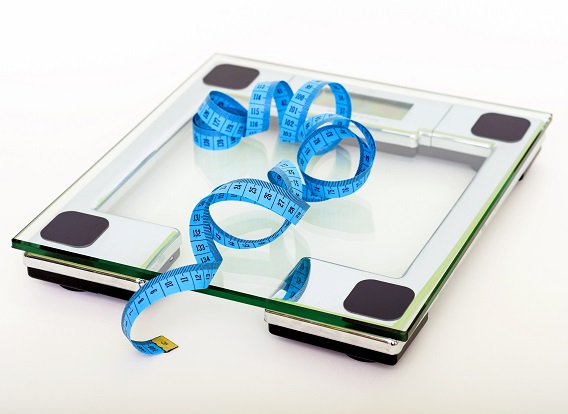
Weight is a funny thing. It’s just a number on a scale. But it is often how we judge ourselves. For so many that number is what determines if they feel good or bad about themselves.

I had one woman tell me she doesn’t weigh herself because if the number is “good” she uses it as an excuse to reward herself with unhealthy food and if it is “bad” it is a reason to give up, and binge eat.

Weight is one point of data; useful certainly but not the be-all-and-end-all. I think most of us know if we are within a healthy weight or not. I have also discovered that most people have no clue what a healthy weight human looks like.

It is shocking to me how many of our clients (and me included) have been skinny-shamed. Told by friends, loved ones, acquaintances and even perfect strangers that we are “too thin,” “look gaunt,” “shouldn’t lose anymore weight,” or asked in a hushed tone, “are you sick?”

When a client comes to me with this concern, there are a few resources I always share to ease their mind that they are, indeed, on the right track and that “concerned” individuals are used to seeing people carrying more than a few extra pounds and they don’t know what they are talking about.

BMI

There are 100s of BMI (body mass index) calculators out there so you can just google it if you don’t know yours. It will tell you if you fall in-line with what “they” (whoever they are in this case) deem healthy.

It is a SUPER rough data point.

Drawbacks of BMI – no variation for men/women, large/medium/small frames, athletes/couch potatoes. So, take what it says with a grain of salt.

Because I am tall and have a small frame, I barely make the cutoff for being healthy on the low end. Because Russ isn’t as tall and carries a lot of muscle mass, he barely makes the cutoff for being healthy on the top end.

Met Life Weight Formula

This is the formula I have “always” (well as long as I can remember) used for figuring out ideal weight. I don’t know where I first learned about it and didn’t know it was the “Met Life Formula” until I started researching for this article.

Most people calculate their “ideal weight” and freak out that they would look like a skeleton at the weight it spits out for them. But, Met Life is a life insurance company. It is in their best interest (for profit margin) to have really good data for the weight at which people are most likely to live the longest.

I’m not saying this number has to be your weight goal. As always, I’m just putting the data out there for your consideration. Here’s how it works:

Women with a medium frame (how to determine your frame is below):
Start with 100 pounds. Add five pounds for every inch above 5 feet in height.
Example: a medium framed woman who is 5’5” would have an ideal weight of 125 pounds.

Men with a medium frame:
Start with 106 pounds. Add six pounds for every inch above 5 feet in height.
Example: a medium framed man who is 5’11 would have an ideal weight of 172 pounds.

Variation +/- up to 10% for large or small frames.

Frame size is determined by encircling your wrist with your thumb and first finger.
If they touch: medium frame.
If there is a gap: large frame.
If they overlap: small frame.
This isn’t exact science but it will give you a general idea.

Fuhrman Longevity Formula

Dr Joel Fuhrman, author of the book Eat to Live and the creator of the Aggregate Nutrient Density Index has a slightly different calculation:

Women: Start with 95 pounds and add four pounds for every inch over 5 feet in height.
Example: A woman who is 5’5” would have an ideal weight of 115 pounds

Men: Start with 100 pounds and add five pounds for every inch over 5 feet in height.
Example: A man who is 5’11” would have an ideal weight of 155 pounds.

Interestingly, in searching Dr Fuhrman’s website today I could not find any mention of his formula or information about if he allows for variation for different size frames. His calculation is about 10% less than the Met Life formula, meaning it lines up with the bottom of their small frame allowance.

Waist to height ratio

A 2012 study found that keeping your waist circumference at less than half of your height can help increase life expectancy. So our 5’5” woman would ideally have a waist measurement less than 32.5” and our 5’11” man would have a waist measurement less than 35.5”

They don’t provide a bottom number so it doesn’t help much with the “you’re too thin” issue.

As I mentioned above, I am NOT sharing this with you so you can start judging yourself by an ideal number calculated by any of these methods.

I am sharing them because as you start providing your body with the nutrients it needs and reducing the processed and not-so-good-for-you food-stuffs we’ve been programed to eat, your body will start heading for its ideal weight.

And as you approach it the people in your life might start “worrying” about you. Having the data points to share so they can stop the worrying (nagging, judging, annoying) might prove to be helpful for you as they have for me and several of our clients.

To have a conversation about the where you are in your health journey and how to move forward, book a Jump Start Consultation with me (Dr Robyn) by clicking here today.

Dr Robyn is a former competitive volleyball player turned psychologist with continuing education in nutrition. Russ is a former competitive bodybuilder and trainer on the Mr. Olympia Tour. They are the co-founders of Whole Food Muscle and the authors of How to Feed a Human The Whole Food Muscle Way. To work with them one on one to improve your health and fitness or to have them speak at your event or organization email them at Health@RnRJourney.com.
The Best Way To Eat Greens

The Best Way To Eat Greens

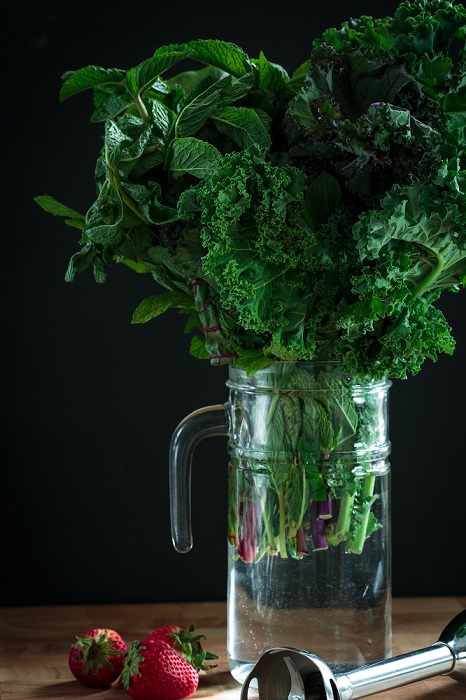
You likely already know that greens are good for you (kale, spinach, lettuce, swiss chard, cabbage, etc). They help with things like, heart health, sexual function, diabetes, breast cancer, glaucoma and even depression. But, if you can’t get them in your belly, they are useless. We eat them raw in salad most often. But I know that doesn’t work for a lot of people. So, I started asking people how they eat their greens. Here’s what I learned:

Use it in place of tortillas to make a wrap. Okay, this is still raw so if you don’t like dark green salads, this isn’t a great option. But you could do it with lettuce to get in some greens where there aren’t any.

Put it in a wrap or on a sandwich. You can do this with either raw or cooked greens and the flavor will just melt away into the other flavors.

Cook it in bean taco/burrito mix. When I make tacos I usually sauté (without oil) onions, peppers mushrooms and garlic before I add beans and taco seasoning. Add greens to the veggies and put the lid on it to let them steam in the juices. With the seasoning you’ll likely not even taste the greens are there.

Add it to pasta sauce and chili. You can do this if you’re using store-bought or making your own. Just throw a few handfuls in and let it cook down. The acid from the tomatoes will eliminate any bitterness in the greens.

Put it in soups, stews and even Shepard’s pie. If you are making anything that requires putting veggies together and cooking them, add greens. It ups the nutrient value and you won’t even notice them.

Put it in smoothies. We don’t recommend drinking your calories in general because chewing food is part of the digestion process and allows are brains to realize we are full. But, if you’re making a smoothie, throw some greens in and blend away.

Sauté/stir-fry it (in water or veggie broth). Use your favorite flavor. Soy sauce, balsamic vinegar or tahini are good options. The Asian dressing recipe I sent a couple of weeks ago is also really good on greens.

Steam it. Add whatever spices or other veggies you like. Pepper, nutmeg, ginger, apple cider vinegar, rosemary, dill… Try whatever strikes your fancy. We like onions, garlic and mushrooms with ginger.

Add it to hummus and guacamole. If you saw my hummus video you know I put a good bit of parsley in my hummus (yes parsley counts as a green). You can do this with ALL the other greens as well. Spinach will make guacamole a beautiful bright green. Give it a shot. Add some greens to your next batch. Next time add a little more.

Massage it. Yes, this is really a thing. Add a pinch of salt and break down the fibers in the greens (often done with kale). If you feel like you need more liquid, a squeeze of lemon works well and adds great flavor. We’ve never done it but there are lots of people who swear it makes greens less bitter (we don’t think they are bitter to begin with). I’m not sure if it’s the massaging or the salt, but if that will get you to eat more greens, massage away.

There it is. Ten ways to add greens to your diet. Now go out and get yourself some chlorophyll! (That’s the stuff that makes plants green ????)

Do you have a way you like greens that I didn’t mention? Send it to me (include a recipe if you have one)! Health@RnRJourney.com

If you are ready to address how your food choices are negatively affecting your health, let’s set up a free get-to-know-you chat. Send me an email and let’s get you on track to taking control of your stress eating. Health@RnRJourney.com

Dr Robyn is a former competitive volleyball player turned psychologist with continuing education in nutrition. Russ is a former competitive bodybuilder and trainer on the Mr. Olympia Tour. They are the co-founders of Whole Food Muscle and the authors of How to Feed a Human The Whole Food Muscle Way. To work with them one on one to improve your health and fitness or to have them speak at your event or organization email them at Health@RnRJourney.com.

The Truth About Oil

The Truth About Oil

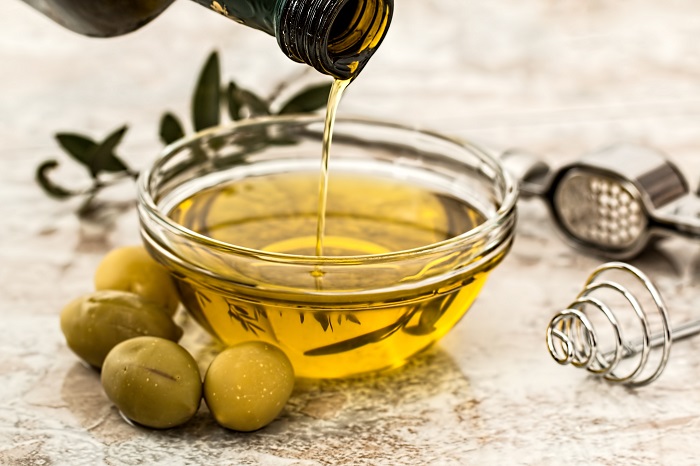
The words “healthy” and oil have been used together for so long it has become part of our “common knowledge.” But like a lot of nutrition knowledge, what we know about oil is skewed. Before I explain why oil isn’t something you want to actively seek to add to your diet let me make three points:

  1. Olive oil is BETTER than butter, lard or tallow. But better than does not make it healthy.
  2. We all make choices in our diet about what works and what doesn’t work for us. We choose not to use oil at home. If we go out to eat, we stick to plant-based but don’t stress about the olive oil all restaurants seem to put in everything. Where the line is for you is up to you.
  3. If you are suffering from heart disease, diabetes, obesity or any other metabolic disease that line should be as close to none as possible.

Okay. On to why oil (any oil including extra virgin olive oil, coconut oil, avocado oil, etc, etc, etc) is not a health food.

It’s straight fat. Oil is the most calorie dense “food” you can put in your mouth at 120 calories per tablespoon. That might not sound like much. But you’d have to walk about two miles (30ish minutes) to burn it off. And that is if you only ate one tablespoon. And no one ever ingests just one tablespoon.

It’s 13.8% saturated fat. The government "goal" is to have your diet be not more than 7% saturated fat.

It’s highly processed. Eat olives. They are yummy and good for you. Squeezing the oil out and throwing the fiber away ruins a perfectly good food.

The lining of our blood vessels doesn’t like it. There is a single layer of cells inside the walls of our blood vessels called endothelial cells. Eating a fatty meal damages the endothelium (what the layer of cells is called) and makes our blood vessels stiff for about six hours. Do that three times a day and your blood vessels are permanently stiff, which makes your heart work harder.

Now you might be thinking, “How do I cook without oil?” You can sauté veggies in vegetable broth, sherry, water, or even their own juices. Just keep an eye on them and add more liquid if need be and they won’t burn.

So, is olive oil bad for you? There is certainly science that suggests that. Does that mean you should NEVER have it? That’s up to you. 

If you’d like to hear more about olive oil and the fallacy that the Mediterranean Diet is healthy because of the oil, this is part of a Dr Kalper lecture. He starts talking about oil at the 1:50 mark.

If you are ready to address how your food choices are negatively affecting your health, let’s set up a free get-to-know-you chat. Send me an email and let’s get you on track to taking control of your stress eating. Health@RnRJourney.com

Dr Robyn is a former competitive volleyball player turned psychologist with continuing education in nutrition. Russ is a former competitive bodybuilder and trainer on the Mr. Olympia Tour. They are the co-founders of Whole Food Muscle and the authors of How to Feed a Human The Whole Food Muscle Way. To work with them one on one to improve your health and fitness or to have them speak at your event or organization email them at Health@RnRJourney.com.
I Don’t Have Time To Eat Healthy

I Don’t Have Time To Eat Healthy

We hear it all the time, “I don’t have time to eat healthy.” While I could get into the psychology of trading time now for time in your coffin, that’s way too deep a subject to cover here. Let’s instead take a look at the logistics of creating healthy food choices and a few tips for squeezing some healthier options into your life.

How are you eating now?
This is always an interesting question to ask clients. Often the answer is drive thru’s, grab-n-go from home, fast-casual restaurants or sitting in front of the TV. This food-on-the-go or food as an accessory speaks volumes to our multitasking, never-really-focus-on-anything lifestyle. And it’s killing us.

What if what you eat (I won’t even call it food because most fast-food isn’t food at all) got moved up the priority list a couple of spots? What might that look like in your life? What if you actually took a moment to THINK about what you’re putting into your body? Just a thought exercise for you. Let’s look at some practical options for eating just a little healthier:

Baby steps:

  • Drink water or unsweetened tea – Sugary drinks, including sports drinks, are empty calories that no one needs. I have heard, “I don’t like to drink plain water.” Do it anyway. Your taste buds will adjust and your body will thank you in SO many ways.
  • Buy veggies pre-chopped – Eating veggies like carrots, broccoli, cauliflower, radishes, cucumbers and celery is easier if it’s already cut into pieces you can eat with your fingers. If you’re not eating in the car, dip them in hummus or natural peanut butter. Yes, it’s more expensive than buying them un-chopped. But if you’re not going to chop them and they rot in your fridge, that isn’t a win.
  • Frozen veggies are your friend – Peas, corn and broccoli are our go-to’s. You can eat them cold (yes right out of the freezer) or pop them in the microwave with some water for a couple of minutes. They are great on salads as a protein source. We also have sweet potato and squash, but they are more work.
  • Keep nuts, seeds and dried fruit in the house – I am munching on dried mangoes (no sugar added) as I type this. A handful or so of almonds, pecans, cashews, peanuts (although some think of peanuts as vegan junk food) and some dried fruit (we have mangos, raisins, plums and apricots in the house) is a great snack. And it travels well in a Ziploc bag or small Tupperware. Frozen fruit is also a good snack at home.
  • Have salad fixin’s ready to grab – you can buy these already washed and chopped or you can chop them yourself. But if all you have to do is pull the containers out of the fridge and throw a salad together, you’re more likely to do it. We usually have: kale/spinach, beets, red cabbage, tomatoes, olives, pumpkin seeds, sunflower seeds, hemp seeds, peppers, onions (red/green), avocado, quinoa and lentils. As noted above, peas and corn are easy as well.  
  • Put ground flaxseed on everything – It is a super food. Seriously. It helps prevent prostate and breast cancer, has amazing nutrients and the fiber is great for your gut microbes. Cereal, salad, soup, pasta, casserole, smoothies, you name it, you can put flaxseed on it. Sure, it’s best if you buy it whole and grind it yourself. But if you’re not going to do that, buy it ground and keep it in the fridge. You can totally do this.

Bigger steps:

  • Get rid of the junk food in your house – If it’s not there you won’t eat it. But, if you do this without replacing it with some of the ideas above, you’re going to find yourself hungry, staring at an empty pantry and cussing me. Don’t do that. Bring in healthy stuff to replace the junk.
  • Cook in batches – I know a lot of people don’t cook anymore. But surely you can turn on the oven to 400 and put some potatoes or sweet potatoes in there for 30 minutes to an hour (depending on how big your potatoes are). Or put a cup of rice or quinoa in a pot with two cups of water and let it simmer for 15-20 minutes. Lentils are cooked the same way as quinoa, no soaking needed. Now you have food that’s easy to heat and eat. Add taco seasoning, avocado, hummus, mustard or whatever floats your boat. Just typing that makes me want to have a burrito for lunch.
  • Try new recipes – Don’t be intimidated by cooking. It’s not as hard as you might think. I had to tweak the way I think about cooking when we went plant-based. But overall, it hasn’t been a big deal. The Forks Over Knives website is a great place to start.

When people say, “I don’t have time” what I’ve found they actually mean is, “It is too daunting to try to do it all.” So, don’t do it all. Pick one thing and do that. Next week pick another. When we started moving towards being plant-based we never planned on being 100% and we got great results just moving in the plant-based direction. I know you will too.

Let us know what healthy habit you add this week!

If you are ready to address how your food choices are negatively affecting your health, let’s set up a free get-to-know-you chat. Send me an email and let’s get you on track to taking control of your stress eating. Health@RnRJourney.com

Dr Robyn is a former competitive volleyball player turned psychologist with continuing education in nutrition. Russ is a former competitive bodybuilder and trainer on the Mr. Olympia Tour. They are the co-founders of Whole Food Muscle and the authors of How to Feed a Human The Whole Food Muscle Way. To work with them one on one to improve your health and fitness or to have them speak at your event or organization email them at Health@RnRJourney.com.

Asian Dressing/Sauce

Asian Dressing/Sauce

If you like a taste of Asian this dressing/sauce is just the thing. It is amazing over quinoa, rice, pasta, veggies (or any combination thereof) and even salad. You can serve it hot, cold or room temperature. And it gets better as the flavors incorporate over time (read – works well to bring for lunch the next day). I served it over a cold quinoa dish to Russ’ mom this past weekend. Her response was, “I can’t believe how well you two eat.” Like many people, she thought being plant-based meant eating boring, bland, tasteless food. That is simply not the case!

Let me know what you think of this recipe if you try it.

  • 4 tablespoons rice vinegar
  • 2 tablespoons tahini (can sub natural peanut butter or almond butter)
  • 2 tablespoons soy sauce
  • 2 tablespoons maple syrup
  • 1-2 teaspoons grated, fresh ginger (we like more)
  • ½ teaspoon granulated garlic or one minced clove

Whisk all ingredients in a small bowl until incorporated. Makes enough for 3-4 cups of quinoa and veggies.

This recipe was adapted from the Sesame Quinoa Salad recipe in the book The Cheese Trap (Which I highly recommend.)

Dr Robyn is a former competitive volleyball player turned psychologist with continuing education in nutrition. Russ is a former competitive bodybuilder and trainer on the Mr. Olympia Tour. They are the co-founders of Whole Food Muscle and the authors of How to Feed a Human The Whole Food Muscle Way. To work with them one on one to improve your health and fitness or to have them speak at your event or organization email them at Health@RnRJourney.com.

How Do You Make Food Choices?

How Do You Make Food Choices?

Do you know WHY you choose the foods you eat? When we ask this question the answers usually range from “I like it” (taste) to “it’s easy” (convenience). And while those are the easy answers I think there is a lot more that goes into it that we don’t consider until we start thinking about changing what we eat. That's when we realize we aren't as in control as we thought.

There are a few things that unconsciously control our food choices:

Culture – What you like, what tastes good to you, is much more about how you’ve trained your taste buds than it is anything else. And your taste buds have been trained by the culture where you grew up. How much fat, sugar and salt you like in your food depends on in what part of the world you spent your formative years.

Media/Advertising – Have you ever been sitting in front of the TV and suddenly thought, “hmmm pizza sounds good?” If you can honestly answer no, I’d be shocked. They don’t run TV ads for the fun of it. We are bombarded every day by food ads. They are even on social media. Every time you see gooey cheese dripping off of pasta or potatoes or whatever, you can bet your brain is storing that information away for later.

Cost – Maybe you think that cost doesn’t really drive your food choices. But if you’ve ever thought “organic is so expensive” or this fast-food lunch is only $5 then cost is part of your food choice process. I get that we’re all on a budget. I’m not saying it shouldn’t be. I’m just saying we need to be aware.

Habit – If you watch our daily lives you’ve heard me talk about Pavlovian eating. Eating we do because it’s time to eat, we always have popcorn at the movies or even turkey at Thanksgiving (which is also cultural).

Easy – Yep. Convenience is really a thing. But it’s not just, “this food is here” like at an office lunch. Unconsciously we also think, “Do I need a fork to eat this?” “Do I have to sit down?” “How hard is this to chew?” I had someone tell me that eating plants was hard because it took too long to chew it (that’s a whole conversation for a different day).

Many times, dare I say MOST of the time, what we choose to eat has nothing to do with hunger and worst, nutrition never crosses our minds. But let’s say you’re ready to change that. Where do you start?

Here are a couple of tips:

  1. Notice when you make a food choice. Paying attention is half the battle.
  2. Ask yourself WHY you are making (or made) the choice. Identifying triggers gives us the opportunity to change.
  3. What would it look like if you made a different choice? Pay attention to the story you tell. It is heartache and pain or joy and happiness? The story you tell about food is important.
  4. Look at your cost/benefit analysis. That sounds complicated but it’s not. What are you telling yourself about your food choices and your health (this is part of your story)?
  5. Don’t get caught up in all or nothing thinking – There seems to be a prevailing belief that you either have to eat 100% healthy or throw your hands up and give up. This is not a pass or fail class. If you can average a B+ you’re doing really well!

Try thinking about it using this scale:

A+ = Whole plant foods. Stuff that looks like it came out of the ground (sweet potatoes, fruits, veggies, etc)
A = Minimally processed plant foods (steel cut oats)
A- = A little more processed plant foods (unflavored, instant oats)
B+ = Still more processed plant foods (whole wheat breads and pastas)  
B- = Junk “health” foods (tofu, veggie burgers)
C+ = refined carbs (food stuffs in packages)
C = oil, wine, coffee, fried plants
D+ = Meat, including fish
D = Dairy and eggs
F = Fried meat, dairy and eggs

The unfortunate thing is, eating the Standard American Diet (SAD) will give you an average of a D, D+ at best! I know you can do better than that. Let’s get those averages up by being more aware of what we are eating on a daily basis!

If you are ready to address how your food choices are negatively affecting your health, let’s set up a free get-to-know-you chat. Send me an email and let’s get you on track to taking control of your stress eating. Health@RnRJourney.com

Dr Robyn is a former competitive volleyball player turned psychologist with continuing education in nutrition. Russ is a former competitive bodybuilder and trainer on the Mr. Olympia Tour. They are the co-founders of Whole Food Muscle and the authors of How to Feed a Human The Whole Food Muscle Way. To work with them one on one to improve your health and fitness or to have them speak at your event or organization email them at Health@RnRJourney.com.

What You “Know” About Nutrition Is Marketing

What You “Know” About Nutrition Is Marketing

The food industry and Big Pharma have convinced us that we are to blame for being sick and obese. Gluttony, sloth, lack of will power, lack of motivation – character flaws. Health insurance companies will often refuse to pay for obesity services because, “We don’t pay for behavior issues.” If only we were better people we’d take better care of ourselves. IT’S ALL A LIE!

Here’s the truth – Food companies have engineered food to trick our brains into eating more and believing it’s good for us. They have then marketed it with words that sound healthy. Marketing doesn’t have to be true. It just has to be not blatantly wrong enough to get sued; or if they do get sued, have made enough money to offset whatever fine they are assessed. Here are just a few examples:

Marketing: "Milk – it does a body good"
Truth: The milk protein casein has been linked directly to cancer promotion. The countries that drink the most milk have the most hip fractures (i.e. it doesn’t help with osteoporosis). Cheese is the number one source of saturated fat in the Western diet. New studies are linking cow milk consumption to type 1 diabetes.

Marketing: "Breakfast is the most important meal of the day"
Truth: When you eat doesn’t matter as much as what you eat. Cereal companies made up the “most important” thing to sell sugary, high profit-margin, cereal

Marketing: "Pork – the other white meat"
Truth: Pork is not white meat. Not that it matters. Animal protein isn’t a healthy choice for humans regardless of what color it is.

Marketing: "Open Happiness" (Coke)
Truth: The sugar and other sweeteners in Coke hit the same pleasure center in your brain as heroin. That’s not happiness. It’s pleasure. And it’s addicting. Good for Coke’s bottom line. Horrible for you.

Marketing: “They’re GR-R-R-reat” (Frosted Flakes)
Truth: They are almost 50% sugar (see point about sugar above) and people usually eat them with milk (see point about milk above)

Marketing: “We have the meats!”
Truth: They say that like it’s a good thing because we have been so conditioned to believe it is. But why do you believe it? Saturated fat. Cholesterol. Animal protein. Not great for humans. They can keep the meats.

Marketing: “Silly Rabbit. Trix are for kids” (Marketed directly to children.)
Truth: This is not “food” by any definition for kids, rabbits or otherwise.

Marketing: “The breakfast of champions.”
Truth: More sugar and salt than nutrients.

Marketing: “Made with real fruit”
Truth: That’s only on there to make you THINK it’s healthy. If they put one blueberry in the vat they can use the “real fruit” label.

Have you ever noticed that fast food commercials always have slim people in exercise clothing in them? I think you get my point. Everyone thinks they are a dietitian. They think they know because it’s “common knowledge.” The problem is that “common knowledge” came from a company out to make money, not share the truth. There are literally hundreds of “diet” companies trying to treat the symptom – over eating. But they aren’t addressing the actual problem - lack of nutrition. They have just enough “science” to make it sound right.

Big Pharma is pouring obscene amounts of money into creating an obesity drug. They make even more obscene amounts of money on obesity itself. There is $117 billion spent out of pocket a YEAR on weight. And if it doesn’t work? Well that must be your fault. You must have been non-compliant.

STOP! All of that is nuts! But there is something you can do. You can educate yourself with the truth. Then and only then will you be able to make decisions based on facts. Lack of knowledge (and bad knowledge) is killing us. I know you want knowledge because you’re reading this. Knowledge is what the How to Feed A Human master class is all about. If you haven’t watched our free webinar yet – you need to. It will open your eyes to food in ways that will shock you. Go to HowToFeedAHuman.com to watch it on demand right now!

Dr Robyn is a former competitive volleyball player turned psychologist with continuing education in nutrition. Russ is a former competitive bodybuilder and trainer on the Mr. Olympia Tour. They are the co-founders of Whole Food Muscle and the authors of How to Feed a Human The Whole Food Muscle Way. To work with them one on one to improve your health and fitness or to have them speak at your event or organization email them at Health@RnRJourney.com.
Why Food Cravings Happen And What To Do About Them

Why Food Cravings Happen And What To Do About Them

Food cravings are a real thing. Anyone who tells you otherwise is either SUPER lucky or lying (my bet is on the lying). If you’ve spent any time listening to our lives on Facebook (Find them on our page RnR Journey), you know my (Robyn) weakness is chocolate chip cookies. There is NOTHING healthy about them. Salt, sugar, fat, eggs – horrible stuff. But sometimes I just HAVE to have one. But when I give in and have one, for the next several days my brain will randomly say, “Hey a chocolate chip cookie would be good.”

How do you know if something is a craving?
This is how I decided: If I think, “Hmm, I would like to eat something” I know I’m likely hungry. On the other hand, if I think, “Hmm, I would like to eat THAT thing” and nothing else really sounds good, I can safely bet it’s a craving. 

Are food cravings always bad?
I don’t think of cravings as good/bad necessarily. Your body is likely trying to tell you something. Unfortunately, most of us crave foods that are not very healthy (loaded with fat, sugar and salt) and we don’t do a good job of figuring out what our body is actually trying to say so we can fix it.

What causes food cravings?

  • Lack of sleep – If you aren't getting enough good quality shut-eye your body is going to be looking for quick-fix energy. Nothing works better for that than fat, sugar and salt. Throw in some caffeine and you can continue to ignore the call of your bed. Study after study shows that most adults are sleep deprived. It is highly unlikely that you are an exception.
  • Lack of water – Being dehydrated can cause cravings for food. I don’t have the science as to why. But it does.
  • Lack of nutrients – We’ve talked a lot about how the Western Diet that most people eat doesn’t have nearly enough nutrients in it. Your cells could be starving. Your evolution says, “Find something calorie dense” because it makes the mistake of assuming that calories = nutrition. This is simply not the case in the modern world.
  • Lack of bulk (fiber) – If you’ve eaten enough calories but still crave something it could be that you’re not getting enough fiber in your diet to make you feel full and feed your gut bacteria (see next bullet)
  • Unhappy gut flora – The human gut is an amazing place. Healthy bacteria can reduce inflammation, make you feel better and generally keep things humming along. But – unhappy gut bacteria can make life miserable, including creating sugar cravings.
  • Social setting – Sometimes a craving is just about where you are and who you’re hanging with. When junk food is easily available (like at a party) it can feel almost impossible to not have some.

What can you do about cravings?

The “easy” answers are, get enough sleep, stay hydrated, eat real food that feeds your cells, eat whole-foods that have fiber in them and don’t be social. Okay, that last one isn’t really an option. But the rest of them certainly are. And if you do the rest of them you’ll be more likely to be able to resist stuffing yourself with fat, sugar and salt just because you’re out with friends.

Another thing you can do is start keeping a cravings calendar. When do you crave what? Do you have triggers? How often do you give in? Write it down. Color code it if that helps (adding color to make patterns easy to see is always good for me). The more you know about what is happening the easier it is to do something about it.

All that said, once in a while it’s not a huge deal. It’s not the exception that causes the problem; it’s the every day. Sometimes (2x a month at most?) I give in and I have a chocolate chip cookie. And you know what? IT IS AMAZING! I really enjoy it because it is a rare treat. Now, I know that after I give in I’m going to have to deal with wanting another and another. So, I only buy a two pack. That’s it. No more cookies in the house. If I want a cookie I have to make a point to go to the store to get it. Most of the time when I think about a cookie I don’t have the time or the desire to go get one. For me rule number one for fighting cravings – don’t have cookies in the house!

Do you have a specific craving? Pop over to the community page and share!

If you are ready to address how your food choices are negatively affecting your health, let’s set up a free get-to-know-you chat. Send me an email and let’s get you on track to taking control of your stress eating. Health@RnRJourney.com

Dr Robyn is a former competitive volleyball player turned psychologist with continuing education in nutrition. Russ is a former competitive bodybuilder and trainer on the Mr. Olympia Tour. They are the co-founders of Whole Food Muscle and the authors of How to Feed a Human The Whole Food Muscle Way. To work with them one on one to improve your health and fitness or to have them speak at your event or organization email them at Health@RnRJourney.com.

How Much Should I Weigh?

How Losing Weight Works

There seems to be some confusion around what weight loss and weight gain really are. We recently went out for vegetable sushi and I gained 3 pounds(!) according to the scale. Worse, it took me three days to lose it!

Someone posted recently that they fasted for 22 hours and lost four pounds (they were so excited). Often when people are trying to lose weight they will be stuck for a few weeks and then all of the sudden, whoosh they lose 2-3 pounds almost overnight.

But the human body doesn’t gain or lose body fat that quickly. So, what is going on?

In my case the extra 3 pounds was water retention caused by the sodium in the soy sauce I enjoyed with my veggie sushi.

Too much sodium in the body can be dangerous so the human body offsets the risk by holding onto water.

This water weight is stored in your tissue until your body can rid itself of the excess sodium and believes the threat is passed. I was surprised that it took three days but for me it did.

What about losing four pounds in 24 hours? There are a couple of things at play when fasting, particularly for someone whose body has not adjusted to fasting.

One – people often allow themselves to get dehydrated when they fast. Too little water will cause weight loss just like too much causes weight gain.

Two – when fasting, your body is going to burn the glycogen that is stored in your muscles. That can be up to 2 pounds just in glycogen.

Your body will burn fat when fasting. BUT you won’t notice that at the scale the same day (see why below).

Three – your body uses the break it gets from processing food during fasting to do some housekeeping, reducing inflammation and sending broken and dead cells out with the trash (I read recently that the human body replaces 50,000 cells a second – this wasn’t a peer reviewed scientific source and I don’t know how they measure such things. But I thought it was interesting).

Between dehydration, glycogen burn and inflammation reduction, losing 4 pounds while fasting isn’t shocking. But don’t be surprised when most of it comes back in a day or two. (Note: Russ and I are usually down 2ish pounds on fasting days. Most likely glycogen that is replaced the next day when we eat.)

The whoosh effect.

Yep, that is a real term. Russ and I both experienced it during our weight loss journey. We thought we had plateaued because our weight wasn’t changing and then, whoosh 2-3 pounds almost overnight.

It happens because as your body burns fat out of a fat cell it replaces it with water as a holding spot for fat later. When the cell becomes 100% water and your body realizes, “oh I don’t need this cell for fat” it pulls all the water out and the cell goes flat.

The sudden drop in weight is your body emptying fat cells of that water. If your weight plateaus and then you suddenly lose a couple of pounds, it’s fat weight you likely burned a week or more ago. Your body is just catching up.

Don’t worry about it or try to change it. It’s normal and healthy.

Losing or gaining weight isn’t about the number on the scale today compared to the number yesterday or tomorrow. It’s about the trend over a week or a month.

If you’re geeky like me you can create an excel graph with a trend line.

Feed your cells nutritious, fiber rich, whole plant foods and your body will find and maintain its ideal body weight, no thought required.

Here's What to Do Next...

Option 1 - If you are a member, join the conversation with your thoughts or comments on the community page. We would love to hear your stories or experiences. Do you feel like your body does the whoosh thing with weight?

Option 2 - If you're not a member yet, join us now to get support from Dr. Robyn, Russ and other members who are also on their journey to better health. All journeys are better when you have someone to share it with.

If you are ready to address how your food choices are negatively affecting your health, let’s set up a free get-to-know-you chat. Send me an email and let’s get you on track to taking control of your stress eating. Health@RnRJourney.com

Dr Robyn is a former competitive volleyball player turned psychologist with continuing education in nutrition. Russ is a former competitive bodybuilder and trainer on the Mr. Olympia Tour. They are the co-founders of Whole Food Muscle and the authors of How to Feed a Human The Whole Food Muscle Way. To work with them one on one to improve your health and fitness or to have them speak at your event or organization email them at Health@RnRJourney.com.