Why You Want A Sweet Treat When You Just Ate

Why You Want A Sweet Treat When You Just Ate

You might have just eaten an entire Thanksgiving dinner. You are stuffed to the gills. But when the pie comes out, you suddenly have room to try three of them. What gives?

The human hunger drive is complicated. Our caveman brain is always on the lookout for something worth eating, even if we just ate. And what it thinks is worth eating is whatever has the highest calories in the smallest packaging.

Unlucky for us, desserts made with sugar and fat (usually butter) fit that bill perfectly. So even when you are full, your caveman brain is working overtime to save you from starvation. Never mind that you are at exactly zero risk of starvation and are more likely to be suffering from the exact opposite problem – over consumption.

Humans have the natural ability to cram (that is the official term) calorie dense foods because we don’t want to risk other members of the tribe eating it before we do. In the caveman world, eating more when it was available was better for survival and that trait got passed on to all of us.

Even if you are eating the Whole Food Muscle Way you can still cram on sweet treats when you’re not hungry. Foods like dates, nuts and nut butters are very calorie dense and are great cram-food according to your caveman brain.

And when you give in to that temptation you will have three days of cravings to contend with before the memory starts to fade.

So, what can you do to avoid the cram monster?

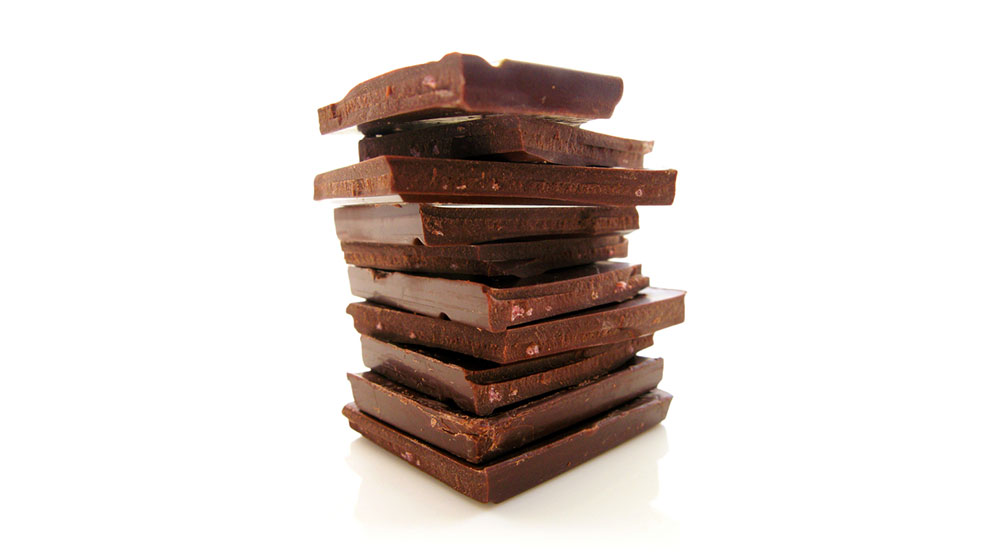
  • Don’t keep fat and sugar laden treats in your house. There is a reason there isn’t chocolate (yes even dark chocolate) in our house. Because I will eat it!
  • Notice when the cram monster sneaks up on you. Sometimes just realizing it’s happening is enough to laugh it off.
  • Ask yourself if you’re actually hungry. If you just ate a full meal, the answer is likely no.
  • Keep a journal or calendar of how often the cram monster gets the best of you and what you ate. Knowledge is power when it comes to fighting monsters.
  • If you decide to give in, choose something whole-food (dried fruit is a good option) and be emotionally ready to deal with the cravings for the next several days.
  • Don’t guilt on yourself about it. Guilt never helped anyone accomplish anything. Figure out why the monster won and make a plan to do something different next time.

To your caveman brain, hunger is just a message to go look for food. If food is already available, hunger has nothing to do with eating.

What next -

Are you finally ready to deal with your food cravings and emotional eating? Email Health@RnRJourney.com to set up a free 15-minute chat with Dr Robyn and if see she is the right coach for you.

Dr Robyn is a former competitive volleyball player turned psychologist with continuing education in nutrition. Russ is a former competitive bodybuilder and trainer on the Mr. Olympia Tour. They are the co-founders of Whole Food Muscle and the authors of How to Feed a Human The Whole Food Muscle Way. To work with them one on one to improve your health and fitness or to have them speak at your event or organization email them at Health@RnRJourney.com.
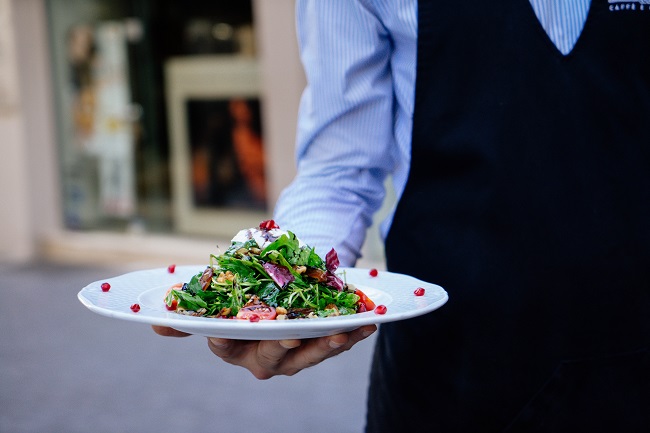
Nine Tips To Get Good Service At A Restaurant

Nine Tips To Get Good Service At A Restaurant

Even if you are going to order off-menu.

Eating out can be a challenge when you want to eat the Whole Food Muscle Way. Most menus have nothing on them, except maybe a salad, that isn’t slathered in animal products and oil. And while you could sit at the table and not eat while your friends do, that can be a little awkward for everyone (for the record, we have done that on fasting days. It’s not as bad as it sounds). Let’s assume you want to be able to eat. Here are some tips for making it as painless as possible for everyone:

  1. Arrive prepared – If at all possible, visit the restaurant’s website and check out their menu before you get there. Trying to read an entire menu while talking to friends simply won’t work. Many websites now have a “contact us” function. Use it if you know where you will be dining a couple of days in advance.
  2. Use self-deprecation to your advantage
     – Smile apologetically and tell the server upfront, “I’m going to be a little bit difficult. I’m vegan.” I like to wrinkle my nose as if to say, “I know that part of me is annoying.” Servers usually say, “Oh that’s okay!” It’s what they are trained to say. But once they say it, they have unconsciously accepted helping you.
  3. Don’t be ridiculously difficult – Asking questions like, “Is your Alfredo sauce vegan?” Is going to get you put on the short list for lousy service. If you have already scoped out something you can tweak to make it work, let your server know. But don’t expect to make more than two or three changes to a dish. After three you are likely to get only two and they will be wrong.
  4. Feel free to ask for advice – You will be able to tell pretty quickly if your server knows what can and can’t be made vegan. We asked once and the server brought us the gluten free menu. She didn’t know. And that was okay. Sometimes they are really well informed and can point you to some great options.
  5. There will be oil – Asking for no oil might get you less oil. But that’s as good as it’s going to get. Unless you have raging heart disease and are following a strict Esselstyn diet, it’s not a big deal a few times a month.
  6. Be calm and kind – Mistakes happen and a lot of them aren’t your server’s fault. We once ordered two vegan bean burgers, no cheese, no mayo. The waitress was very accommodating, even telling us she had a good friend who was vegan. One burger came out with what looked like cheese on it. I said, “I think this has cheese on it?” (Yes, that is a statement that I used as a question.) She was very upset and printed out the order to show us that she had made it very clear that it was a vegan plate. I told her, “If that’s the worst thing that happens to me all day, it’s a pretty good day.” Never get bent out of shape and cause a scene. It’s not helpful for anyone and it’s bad for your blood pressure.
  7. You can always default to pasta, rice or a potato – Sure those options aren’t ideal and we all wish that restaurants would step up their options. But a starch with a tomato sauce, or an Asian dressing isn’t a bad option in a pinch.
  8. Be a reasonable human – Say please and thank you. Don’t snap your fingers to get your server’s attention. Try not to ask for something else every time they walk passed your table. If you know you want a condiment try to remember to ask for it when you order. Just make their job as easy as possible.
  9. Tip well – It’s good karma in general but especially if you frequent the same place. Servers remember people who are friendly and tip well and those who don't.
  10. Bonus – Don’t say you are allergic to all animal products. That is going to make them huff and roll their eyes. Deception is never a good strategy.

Generally, getting good service boils down to realizing your server is not a servant and you are in their place of business. A paying customer yes. A king/queen who gets to expect everyone to bow down, no. The best advice on this list is the second one. Be amiable and get their buy-in to your “silly” needs and they’ll gladly help you. At least that has been our experience most of the time.

Are you struggling to make plant-based eating work for you? Book a session with Dr Robyn to get on your way. Email Health@RnRJourney.com to schedule a 15 minute chat to see if she is a good fit for you.

Picture credit Photo by Lefteris kallergis

Dr Robyn is a former competitive volleyball player turned psychologist with continuing education in nutrition. Russ is a former competitive bodybuilder and trainer on the Mr. Olympia Tour. They are the co-founders of Whole Food Muscle and the authors of How to Feed a Human The Whole Food Muscle Way. To work with them one on one to improve your health and fitness or to have them speak at your event or organization email them at Health@RnRJourney.com.
Good Sources Of Iron

Good Sources Of Iron

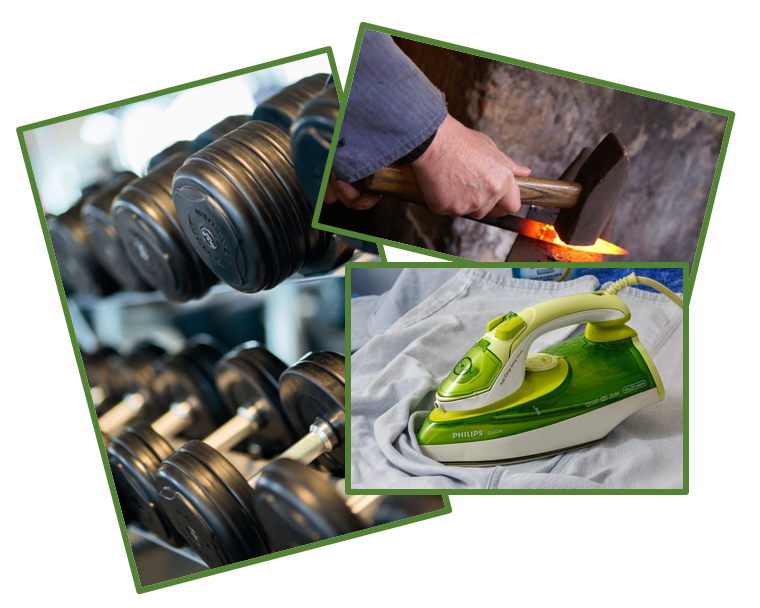
You might have thought I was going to talk about going to the gym and pumping iron or maybe how you get wrinkles out of clothing or even iron ore. But those are different types of iron deficiency than we are addressing today.

Getting enough iron, the type your body uses to make red blood cells and carry oxygen around, isn’t typically a problem for men or post menopause women. But for one in five women of child bearing age, fifty percent of women who are pregnant and growing children, it is something to think about. It is most prevalent for low income women and children, likely due to their lack of access to healthy food options.

Your body doesn’t go from having enough iron to being deficient overnight. Like most resources, your body has a stored supply it uses. When those stores dip, you absorb iron through your intestines. When your stores are full, your body should stop absorbing (why that’s not always the case in a moment). However, if you aren’t eating foods with iron in them, there won’t be anything for your body to absorb. That will cause a depletion over time and eventually deficiency.

Symptoms of deficiency include feeling tired, weak and irritable. Clearly those aren’t very specific symptoms and could be caused by anything. But if you are experiencing them, adding plant-based iron sources can’t hurt you.

There are two types of iron – heme iron found in blood and non-heme iron found in plants and when cooking in a cast iron pan. Heme iron is often touted as being “easier to absorb.” Which is true in that it is harder for your body to regulate how much heme iron it absorbs. If you are ingesting blood through the meat of land animals or fish, your body can end up absorbing more iron than it needs.

Unfortunately, there is no way for your body to rid itself of extra iron so you are stuck with it until you use it. The condition of too much iron in the blood is called Hemochromatosis. And unfortunately has similar symptoms as too little iron, including chronic fatigue, but also more severe problems like heart attack and heart failure.

On the other hand, non-heme iron is easier for your body to regulate. It only absorbs it when you need it. If you want to make sure non-heme iron is as bioavailable as possible, eat foods rich in iron (listed below) along with a source of Vitamin C (citrus and peppers come to mind). You may also want to avoid drinking tea with your meals as the tannins can make it harder to absorb iron.  

Here are a few foods you can add to your diet if you are concerned about offering your body enough iron: lentils, sesame seeds, hemp seeds, flaxseed, pumpkin seeds (we eat three out of four of those seeds every morning in our oatmeal), pine nuts, cashews, almonds, macadamias, dark green leafy veggies like kale, spinach and Swiss chard and our favorite – oatmeal!

Add a few of these foods to your daily intake and you should have no worries on the iron front (typing that made me laugh).

We are not experts in child nutrition. But in my research for this article I came across this in a 1998 report from the CDC: “Early introduction (i.e., before age 1 year) of whole cow's milk and consumption of greater than 24 oz of whole cow's milk daily after the 1st year of life are risk factors for iron deficiency because this milk has little iron, may replace foods with higher iron content, and may cause occult gastrointestinal bleeding.” Something to be aware of if you have children."

Ready to get serious about your health? Join our Whole Food Muscle Club for immediate access to a year’s worth of our meal plans, the community page and the once a month live Q&A were we answer all your questions.

Dr Robyn is a former competitive volleyball player turned psychologist with continuing education in nutrition. Russ is a former competitive bodybuilder and trainer on the Mr. Olympia Tour. They are the co-founders of Whole Food Muscle and the authors of How to Feed a Human The Whole Food Muscle Way. To work with them one on one to improve your health and fitness or to have them speak at your event or organization email them at Health@RnRJourney.com.

It’s NOT About Compliance

It’s NOT About Compliance

The world of dieting seems to be filled with rules and regulations. Eat this. Not that. This is good for you. This is bad for you. This counts. This doesn’t. Willpower is a must. Failure is always lurking. Everywhere you look there are things you can succeed or fail at. Judgment abounds.

It is common to see the question, “Is this compliant?” about food on social media. And the comments section will explode with responses from the kind to the derogatory; some right, some wrong, some just really ill-informed. Often it dissolves into arguments between strangers decreeing what is and is not okay to ingest and calling each other stupid (or worse).

Eating is not that complicated. We don’t need to feel guilty or be berated about it. What you eat is a choice. Some people have decided to make it a conscious choice. And how they make that choice is up to them and depends on their goals.

Believing you have to be “compliant” to a set of diet regulations or you are a failure leads to feelings of deprivation, lack, frustration and overwhelm. None of those emotions are good for making healthy choices. In fact, they are likely to make you give up and binge eat.

What if we made choices from a place of knowledge and desired outcomes? When you know how eating a specific thing will benefit or harm your health and your goals, you can decide what is right for you in that moment. If you track how often you make a choice that does align with where you want to go, you can start to see patterns and address them. All those bits of knowledge allow you to consciously adjust. No wailing or gnashing of teeth, “compliance” to outside rules or food police needed.

Here is an example from my life: Sometimes I decide I want to have a chocolate chip cookie (You likely know this about me). I am well aware that the butter, eggs and sugar in it are not a healthy choice. I also know that eating a single chocolate chip cookie once every few months is not the end of the world; because it is a rare event. The vast majority of the time I make amazing health choices. Sometimes I think, “hmmm, a cookie would be good.” But I decide not to have one. When I do decide to have one, I ENJOY it without even the slightest bit of guilt. Because it’s not about compliance, it’s about choice.

Interestingly, there are some people (often the person who feels the most guilt about their food choices) who will make obnoxious comments about me eating a cookie. “I thought you were vegan.” (I’m not) “I thought you were a health nut.” (I’m not) “You tell people to eat healthy and you’re eating a cookie?” (I don’t tell anyone to eat or not eat anything. I share information to allow people to make informed choices.)

I just smile and say, “Ninety-nine point nine percent of time I make food choices based on nutrition knowledge and my desire to live a long healthy life. Right this moment, I’m enjoying a cookie. But thank you for your concern about my wellbeing.”

That’s what empowerment looks like. And it works.

Are you ready to break free from restrictive diets and finally base what you eat on knowledge rather than rules? Email Dr Robyn at Health@RnRJourney.com to book a jumpstart consultation today.

Dr Robyn is a former competitive volleyball player turned psychologist with continuing education in nutrition. Russ is a former competitive bodybuilder and trainer on the Mr. Olympia Tour. They are the co-founders of Whole Food Muscle and the authors of How to Feed a Human The Whole Food Muscle Way. To work with them one on one to improve your health and fitness or to have them speak at your event or organization email them at Health@RnRJourney.com.

Supplements, Good Or Waste?

Supplements, Good Or Waste?

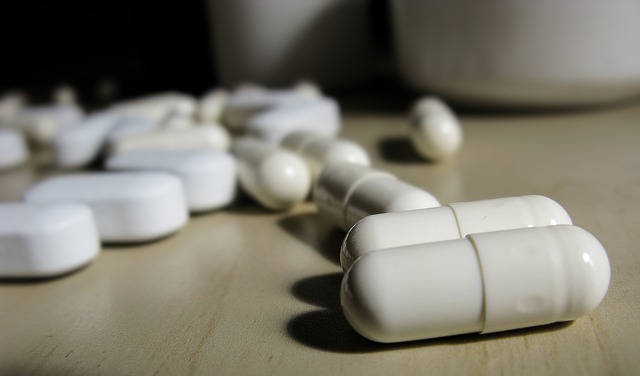
There are a couple of supplements that you will want to take depending on your situation. But for the most part, they are useless or even dangerous.

B12

We suggest that everyone, regardless of their style of eating, take a B12 supplement. Humans (like all mammals) can make B12. But it requires a specific type of bacteria found in dirty water and soil. Since we live in a very clean world where we wash our fruits and veggies and drink clean water (both good things), we don’t get that bacteria. People who eat meat might get the B12 the animal made. But since many meat animals are no longer eating the grass and bugs they naturally would, they aren’t getting the bacteria to make that much B12 either.

We take a 500mg, quick dissolve tablet of Methylcobalamin B12 twice a week. Our bloodwork has shown our B12 levels to be great.

Vitamin D

Vitamin D isn’t actually a vitamin. It is the precursor to a hormone your body makes called calcitriol. Many people believe there is Vitamin D in milk. But milk is supplemented with it (as is orange juice and all kinds of other processed foods). Mushrooms, if they are exposed to sunlight, are one of the few plant-based places to get vitamin D. But it is extremely unlikely any of us are going to be eating enough mushrooms to get the vitamin D we need.

Humans make vitamin D from the sun. Being outside with your arms and legs exposed for 10-20 minutes (the fairer your skin the less time you need) three or four times a week will give you plenty of Vitamin D. Absolutely do NOT get burned!

But since we live in a place where being outside with our skin exposed isn’t a viable option for several months of the year, we take 125mcg (5000IU) of vitamin D three times a week from October to March (sometimes into April if spring is a long time coming). Because we bike ride in the warmer months and have the opportunity to be outside during the day, we make enough Vitamin D to not supplement the other months of the year.

If you work in an office, are never outside with your skin exposed or always wear sunscreen, you should consider supplementing year-round. Additionally, as humans age, we become less efficient at turning sunshine into vitamin D. 75% of Americans are deficient in vitamin D. Exactly how much vitamin D you need is going to depend on your genetics, your body size, your diet, your age, how much time you spend in the sun and the time of year. A simple blood test and conversation with your doctor will let you know where your levels are and if supplementing is a good idea for you.

Calcium

Oddly, eating animal products increases the excretion rate of calcium as your body uses it to offset the acidity created by animal protein (which means getting your calcium from an animal protein source like milk or cheese is counter productive). Since eating plant-based is lower in animal protein (or none at all) and higher in plants that contain calcium (like leafy greens, broccoli, beans, prunes, almonds and chia seeds), your need to take an additional supplement is unlikely.

Additionally, taking a calcium supplement has shown an increased risk of heart attack due to the spike of calcium in the blood (it absorbs more slowly from food) and is not related to lower hip fractures (Remember that exercise, particularly weight bearing, is directly related to bone health. Email us at Health@RnRJourney.com to schedule a consult with Russ to develop a workout plan customized to your needs.

There is no international agreement on how much dietary calcium we need. But the body is smart about absorbing it from plants when it needs it and not when it doesn’t. Eating a variety of plant-foods with calcium in them, will meet your dietary calcium needs.

That said, if you are on a medication that actively drains calcium from your body and/or your doctor has determined that the benefits of taking a supplement outweigh the risks for you, don’t stop taking it!

Supplements in General

Supplement companies look at plants, try to figure out what about them is good for us, strip it out, put it in a pill, patent it, and then make ridiculous amounts of money by convincing us we need their pill to be healthy. Why don’t they just tell us the plant they got from? Because they can’t patent that and make money from it.

The problem with this is threefold:

One – supplements are only the parts of the plant that could be identified. When you eat an apple, you get multiple times the benefit from the vitamins and nutrients combined in it than you would if you took the identifiable bits in supplement form.

Two – those identifiable bits don’t end up in a pill or capsule by magic. There is a chemical process to extract them. The supplement companies will tell you their process is safe. But they are self-regulated so… Hopefully they are.

Three – Health supplements are not regulated in any way. Too often what they claim is in a supplement isn’t or it isn’t even close to what it says on the package. It might be just as beneficial for you to stick your money in an envelope and mail it to the supplement companies for nothing in return.

Full disclosure – we use to take A LOT of supplements thinking, “what could it hurt?” But the more we learned the more we realized we could get everything our bodies needed just by eating plants. Boy do we wish we could have all the money back that we spent on supplements over the years. Since we started eating this way and stopped taking them, we feel better than ever.

Give it a try. You just might too.

Dr Robyn is a former competitive volleyball player turned psychologist with continuing education in nutrition. Russ is a former competitive bodybuilder and trainer on the Mr. Olympia Tour. They are the co-founders of Whole Food Muscle and the authors of How to Feed a Human The Whole Food Muscle Way. To work with them one on one to improve your health and fitness or to have them speak at your event or organization email them at Health@RnRJourney.com.

Overcoming Self-Sabotage

Overcoming Self-Sabotage

“I had a stressful day so I deserve…”
“I lost a few pounds so it’s okay if I have…”
“I exercise so I can eat whatever I want.”
“I gained a few pounds and I’m disheartened so…”
“I already ate xyz unhealthy thing, so who cares what I eat now.”
“I just need to eat healthy until (insert event or weight goal). After that I can eat what I want.”

Do any of those things sound familiar? If so, you likely have an inner saboteur. But that doesn’t mean you are destined to failure. I’ve never met anyone (including myself) who didn’t have a self-sabotaging streak. The key is to recognize it and manage it. It is part of who you are, so you can’t kick it to the curb. You’re stuck with it on this ride we call life. But you don’t have to let it drive or give directions.

What Causes Self-Sabotage?

That is the subject of whole books. But the short answer is, the voice in your head that tells you you can’t, you shouldn’t, you’ll fail, you always fail, don’t try and if you succeed, that it was luck. Every negative thing you believe about yourself is your inner saboteur speaking.

Self-sabotage gets passed from person to person like a virus. And inevitably when someone tells us not to try something and we do it anyway, we sometimes fail (that’s what happens when you’re learning). But the person uses it as evidence that they were right and our inner saboteur is born. It doesn’t take much to grow an inner saboteur.

Trying new things. Doing foolish things as a child. Being teased, made fun of and ostracized. Most of us have healthy inner saboteur by the time we are in grade school.

But finding a place to put the blame and solving the problem aren’t the same thing. So, let’s keep moving.

What is the Voice in Your Head Saying?

Do you actually listen to the words? Unless you’ve written them down it’s unlikely. Your inner saboteur communicates mostly in feelings (guilt, shame, regret, disappointment, fear, etc). And feelings don’t get translated into words unless we need to communicate them to someone else.

Unfortunately, if they aren’t words, your logical brain can’t process them. The feelings just swirl around in your emotional brain and get bigger and bigger.

What to do about Self Sabotage

As silly as it sounds, the first thing I recommend you do is give your inner saboteur a name. I call mine Harry-ette. She was given that name 25+ years ago, before I ever took a single college class (I had no idea it was a real psychology thing to do). I named her because I wanted to be able to recognize her voice and tell her to shut up!

Tips for naming your saboteur:

  • Don’t choose a popular name. You don’t want to end up working with or being friends with someone with the same name as your inner critic.
  • Don’t choose a name of someone you disliked as a kid. There is too much emotional baggage attached to a name that belongs to someone you know or knew.
  • Do choose a name that feels right to you. Take your time. It takes some people several days to come up with a name.
  • Do learn to recognize his/her voice and attach his/her name to it.
  • Do share your inner critic’s name with your coach or therapist (if you have one). It will help you discuss your self-sabotaging habits in a more productive way.

Start to pay attention to what your inner saboteur is saying. You might find it helpful to journal about it (that will allow your logical brain to be involved). Do you agree with that voice? Do you disagree? Which of you is running your life?

Those can be tough questions to answer on your own. Working with a qualified professional can make a world of difference. Don’t let your saboteur convince you you’re not worth it, don’t deserve to have someone help you or that you can’t afford it.

Look out for “Irrelevant Decisions”

Everyday we make micro-decisions that feel like they have no meaning in the grand scheme. But when we look at them closely, we realize they can be our downfall. Pay attention to choices that, on the surface, don’t feel like they are related to your success in any way. Examples might include:

  • Deciding to hang out with that person who always says, “You can have this unhealthy thing this one time certainly.”
  • Calling the person who tells you, “You look fine. You don’t need to be worried about eating healthy.”
  • Being “too busy” to eat before a meeting where you know there will be pizza.
  • Being “too busy” to plan healthy meals.
  • Wearing sweats/leggings or other stretchy clothing ALL the time.
  • Telling an unsupportive friend or family member about the changes you are trying to make.

Little choices like these give our inner skeptic fuel to throw back at us later. When you listen to the voice in your head, pay attention to what he/she is using against you. It will help you identify where you are making “irrelevant decisions” that are hurting your success.

Are you Afraid to Succeed?

If you are like most people you very quickly answered that question with a resounding, “NO!” Maybe I shouldn’t have asked if “you” are afraid to succeed but if your inner saboteur is afraid to succeed. In that case the response might be a quiet, guilty, “maybe.” That’s okay. We can work with that.

Ruminating (letting it just churn over and over in your head) about something is never helpful, even though inner critics love to do it. But there is a game you can play with yourself called catastriphication (at least that was what my psychology prof called it).

Take the time to go to the absolute worst-case (or best case depending on how you look at it) scenario. What if you succeed? Like really, really succeed? What are the worst things and the best things that could happen?

“My friends will hate me because I’ll be healthy.”
“I won’t be able to go out with my boyfriend because he likes to eat wings.”
“I’ll be the weird one at business lunches.”
“People will think I think I’m better than they are.”
“My family won’t come over for dinner because they won’t like the food I make.”

Really go to town. Get all the stuff, crazy or otherwise, out of your head. You can’t process it if it’s stuck swirling around in your emotional brain.

You can also use this process for a fear of failure. “What if I try and fail?” Again, get anything and everything that comes up for you down on paper.

Once you have all the things written down (so your logical brain can see them), go through them one by one and ask yourself, “How likely is this thing to happen really?” Usually it’s pretty unlikely. But be honest with yourself.

Then ask yourself, “Okay and if this happened, then what would I do?” And come up with a plan. If your fears involve other people like several of the examples above, talk to those people. You might be surprised how supportive they are.

This process does a couple of things. One, it lets your logical brain say, “That’s never going to happen so I can stop thinking about it.” And/or, “If by some odd chance it does happen, now I have a plan to address it so I can stop worrying about it.”

This game works for both the fear of failure and the fear of success. But it only works if you write it down. Just thinking about it might make the situation worse. Your emotional brain and self-saboteur aren’t going to solve anything between them. It can also be helpful to work through things with a qualified and caring professional.

Self-sabotaging is a real and challenging issue. But with some focused effort, your “Harry-ette” will learn to ride quietly in the backseat on your life journey, or in the very least, you’ll be able to just roll your eyes and keep making progress.

What Next?

Are you ready to overcome your self-sabotage and finally succeed at your health goals? Click here to book a jump start consult with Dr Robyn today!

Dr Robyn is a former competitive volleyball player turned psychologist with continuing education in nutrition. Russ is a former competitive bodybuilder and trainer on the Mr. Olympia Tour. They are the co-founders of Whole Food Muscle and the authors of How to Feed a Human The Whole Food Muscle Way. To work with them one on one to improve your health and fitness or to have them speak at your event or organization email them at Health@RnRJourney.com.
The Power Of Denial

The Power Of Denial

Humans have an incredible power to see only what they want to see and deny any information to the contrary. If all else fails, justify, justify, justify. We see it A LOT when talking to people about their desire to live a long, healthy life versus their desire to eat, drink and be merry (somehow there is a disconnect between eat healthy and be merry – but that’s a topic for a difference post).

One of the most common justifications we hear when someone admits that the choices they are making aren’t the healthiest of options:

“Well, everything in moderation, right?” followed by a shrug or a chuckle.

No. Not “everything” in moderation. That is ridiculous.

The problem with “moderation” is it doesn’t actually mean anything. Where is the line between moderation and excess? How would you know if you crossed it? How far across it do you have to be to realize you have crossed it? What are the short-term and long-term consequences of crossing it? What if, by the time you realized you had crossed it, it was too late to reverse the damage?

There are no answers to those questions because the definition of “moderation” is “without excess.” Whether something is in excess or not depends on personal opinion. There are not hard and fast rules.

When someone says they want to continue doing something “in moderation” we hear:

“I’m happy hitting myself with this hammer.”

“I want to continue this habit, even though I know it’s bad for me.”  

“I’m not as unhealthy as other people.”

“I’m okay with this level of unhealthy in my life.”

“The amount I do this unhealthy thing isn’t a big deal.”

“I’m going to do this at exactly the level I want. I don’t care about the facts about how unhealthy it is for me.”

“I’m good at justifying my unhealthy behavior.”

“I haven’t seen any consequences yet and I’m going to ignore that they are coming.”

“I don’t believe the consequences I have seen are a result of my current behavior.”

“My consequences are a result of bad luck and bad DNA, so there is no reason for me to change.” (For the record, only 2 - 5% of disease is DNA)

“I don’t wanna!” 

You would never accept your spouse cheating on you “in moderation.” We don’t tolerate someone stealing cars “in moderation.” Drug users die using “in moderation.” Why do we all nod in agreement when someone engages in unhealthy eating “in moderation?”

If you want to continue to engage in a behavior that is less than healthy, that is 100% your choice. But make that choice with your eyes wide open, recognizing and accepting the risks. Don’t turn a blind eye and lie to yourself that it’s perfectly fine because it’s “in moderation.”

In the very least, don’t lie to us. It makes Dr Robyn’s psychologist brain want to explode.

What Next?
Ready to stop lying to yourself and take control of your eating? Book a jump start consultation with Dr Robyn and sort out the stories you’re telling yourself that are causing you to fail.

Dr Robyn is a former competitive volleyball player turned psychologist with continuing education in nutrition. Russ is a former competitive bodybuilder and trainer on the Mr. Olympia Tour. They are the co-founders of Whole Food Muscle and the authors of How to Feed a Human The Whole Food Muscle Way. To work with them one on one to improve your health and fitness or to have them speak at your event or organization email them at Health@RnRJourney.com.

Three Days Of Heart Attacks

Three Days Of Heart Attacks

Now that we are on the other side of the holidays, we are starting to see the posts about how much weight people gained. It’s a little scary (For the record, we did not gain any weight and we did not feel deprived). It also means that people (hopefully you) are more open to hearing about how to make better choices going forward.

Did you know that the three days of the year you are most likely to suffer a heart attack are Dec 25, Dec 26 and Jan 1? People joke about “heart attack on a plate” but it seems it’s true. Since you’ve survived those three scary days, let’s talk about how your food choices affect the inner workings of your circulatory system (that’s how your blood flows through your body and keeps you alive and kicking).

First a bit of how your body works (It’s easy. You won’t get lost. I promise.)

All of your blood vessels are lined with a single layer of cells (called the endothelium) that is designed to keep blood flowing nicely. Think of it kinda like Teflon for your pipes. When we are young and healthy nothing sticks and blood flow is great. But over a lifetime of eating fat and cholesterol-rich meals of milk, eggs and meat, our Teflon starts to wear out.

As it wears out, particles start to stick. In an effort to protect you, your body pushes the sticky stuff behind your Teflon wall (remember, it’s only one cell thick). You can think about it like a pimple inside your blood vessel (Nasty I know. But it’s the truth).

Now your blood is having to flow around this bulge. Of course, if your blood is full of fat and cholesterol, a bulge is a great place for it to continue to stick; making the problem worse.

The friction of the blood flowing around the bulge covered by a weakening Teflon can cause the pimple to burst, dumping all the gross stuff into the blood. Your body responds the only way it knows how to an invader, clotting blood around it. Unfortunately, that clot blocks for flow of blood and causes a heart attack (or a stroke if it’s in the brain).

Now you know the science of a heart attack. Let’s talk about what weakens our Teflon and how we can make it stronger.

Let’s say you decide to have a sausage, egg and cheese sandwich (or something similar) for breakfast. This is a high-fat, high-cholesterol, low-nutrient meal. For the next four hours your blood is going to be flooded with fat. Your body is going to be working double time to remove it, mostly by sticking it on your hips (it’s really easy to turn the fat you eat into the fat you wear).

But just when your body thinks it’s getting ahead of the game, lunch rolls around. If you eat like most Americans, it’s another animal product-based meal (cold cuts with mayo, grilled chicken, a burger – it doesn’t matter it’s all fatty). Another four hours of your body trying to clear the blood.

Snacks, dinner, dessert – is there ever more than four hours between fat being dumped into your system? In all likelihood, no.

If you were to draw blood from someone who just ate a meal like I described, it would be visibly cloudy with fat. And all this time your Teflon is under attack. The more fat and cholesterol you ingest in one sitting and over the course of several days without a break, the bigger the strain.

When you think about the rich foods, cookies, cakes, pies, ice cream, etc, etc, etc, it’s no wonder heart attacks peak over the holidays.

How to Heart Attack-Proof Yourself

First and foremost – STOP DUMPING FAT INTO YOUR SYSTEM THREE TIMES A DAY (Yes shouty capitals. It’s that important).

Your fat intake should be only about 10% of your total calories. In the US “lean” meat is up to 30% fat. Obviously, that’s a problem. Switch out the meat for starch or a grain (if you are afraid of carbs check out the post Why Carbs are GOOD for You). We like beans, sweet potatoes and quinoa.

Next, eat some green things (not cooked in butter) for Pete sake! Your mother told you veggies were good for you and she didn’t even know that your blood vessels have a Teflon-like layer inside them. Dark greens (spinach, kale, swiss chard, etc) help your body make nitric oxide which keeps your Teflon strong. Cruciferous veggies are good too (broccoli, cauliflower, brussel sprouts, etc).

One meal might not kill you but a string of “it’s just one meal” will. The 610,000 people a year who die of a heart attack in the US don’t have a chance to make changes. If you haven’t had a heart attack yet, or have survived one, don’t keep eating the food that is killing 1671 people a day. You are smarter than that. I know you are.

If you are ready to heart attack proof your diet but feel overwhelmed with where to start, book a Jump Start Consultation with Dr Robyn. Your Teflon layer will thank you.

Dr Robyn is a former competitive volleyball player turned psychologist with continuing education in nutrition. Russ is a former competitive bodybuilder and trainer on the Mr. Olympia Tour. They are the co-founders of Whole Food Muscle and the authors of How to Feed a Human The Whole Food Muscle Way. To work with them one on one to improve your health and fitness or to have them speak at your event or organization email them at Health@RnRJourney.com.

Myths And Truths About Protein

Myths And Truths About Protein

Protein has been given cult status. It’s the one macronutrient that everyone worries about getting enough of. But why do we worry about it? Where did the idea that protein is so important come from? And is it really something we need to be concerned about?

What is Protein?

Protein is made up of amino acids, essential (we can’t make them ourselves) and nonessential (we can make them). Amino acids are the building block of most human cells. We need about 10% of our caloric intake to be protein.

Why is Animal Protein Considered Better than Plant Protein?

In 1914 two scientists at Yale university did a study looking at how well rat pups grew eating animal protein versus plant-based protein. They discovered that rat babies don’t grow as well eating only plants. From there they made the large leap to saying animal protein was also better for humans. 

They failed to observe that milk from mommy rats has ten-times the protein as human breast milk because rats grow ten-times faster than humans. Does that mean we should feed human babies rat milk if we want them to grow better? Clearly there is a flaw in the logic.

But their incorrect assumption, that animal protein was better for humans, has stuck for more than 100 years!

What about Having to Combine Plant Proteins to get Complete Protein?

In 1975 Vogue Magazine (because they are experts in nutrition?) came out with the idea that humans needed to get all the essential amino acids at the same time to be healthy.  And created the idea of combining plant-based foods, like beans and corn or wheat. 

While you certainly CAN eat beans with corn or wheat you don’t have to. Your body isn’t so dumb as to need all the building blocks at the exactly the same time. Imagine what a mess it would have been in human evolution if we had needed an exact type and quantity of specific amino acids at every meal.

Side note: If anyone has the February issues of Vogue from 1975, I’d love to see the references they used

How it Really Works

The human body has two sources for amino acids if it needs them and you didn’t happen to eat that one in your last meal. The first is the old proteins in your body. Human cells aren’t static. The wear out and get replaced. 

But the building blocks from that cell aren’t just sent to the trash. They are recycled into new cells. Since your body is made up of all the essential amino acids (just like any animal flesh), you have a magic recycling plant pumping out any amino acid you might need at the moment (to the tune of about 90 grams a day). 

The second source is a store of free amino acids just hanging around waiting to be used. Not all the protein you eat is use instantaneously. Your body keeps them in reserve for when you need them. 

Is it Possible to Intake too Much Protein?

It is very easy to exceed the amount of protein your body needs, particularly if you are eating animal flesh. Once your system is “full” protein is sent through the body and out with the trash (it is not converted to fat). However, the process of eliminating excess animal protein is very hard on your organs. Your kidneys will be under the most strain.  

Getting excess plant protein is harder and doesn’t seem to create the same stress on the body. 

Bottom line

All plants have protein. And eating whole-food plant-based means you will get about two times the daily requirement of protein your body needs to function. It is impossible to ingest enough calories and not get enough protein (so unless you are anorexic, you cannot be protein deficient). Eat a variety of plant foods. Beans are AMAZING for their nutrition, fiber and protein content. Green peas are 26% protein. But really, just don’t worry about protein. Being protein deficient isn’t a thing. You have more important things to worry about than a myth made up by jumping to conclusions from a study of baby rats and reading Vogue magazine.  

What Next

Jump start your 2019 by booking a consultation with Dr Robyn to discuss your nutrition needs and the hurdles to great health and longevity.

Dr Robyn is a former competitive volleyball player turned psychologist with continuing education in nutrition. Russ is a former competitive bodybuilder and trainer on the Mr. Olympia Tour. They are the co-founders of Whole Food Muscle and the authors of How to Feed a Human The Whole Food Muscle Way. To work with them one on one to improve your health and fitness or to have them speak at your event or organization email them at Health@RnRJourney.com.

What Are Probiotics And What Do They Do?

What Are Probiotics And What Do They Do?

Prior to learning about eating plant-based I (Dr Robyn) had chronic issues with my gut. I told my doctor on more than one occasion that I felt like my GI tract just “wasn’t working.” I was bloated (to the point of looking second trimester pregnant) more often than not and my gut just generally hurt. I tried everything.

I took daily probiotics and a fiber supplement (recommended by my doctor), pills for lactose intolerance, laxatives, antacids and just about anything else I could find that claimed to help with GI issues. Nothing worked. I was miserable.

But when we started shifting our diet towards eating more plants, I noticed an interesting pattern. When I ate plants, I would feel better. When I ate animal products, I would go back to being miserable a couple of days later. I stopped taking everything but the probiotics and the fiber supplement. The pattern remained.

It was with some trepidation that I then decided to stop taking the probiotics. Again, nothing changed. Eat plants and everything was good. Indulge in meat products and… Not good!

When our diet was about 85% plant-based I got brave and decided to wean myself off of the fiber supplement. I was pleasantly surprised. My plumbing worked fine, as long as I didn’t try to put cheese through it (that was the only animal product we were still eating). It didn’t take me long to decide that my gut bacteria REALLY wanted me to eat plants.

So, what are probiotics and why does eating plants make them so happy?

Where do Probiotics Come From?

Babies are born with a sterile gut. Those born vaginally pick up their first probiotic (bacteria) on their way out. However, those born via C-section get there first probiotics from the hands and clothing of the hospital staff who handle them. It should come as no surprise that vaginally born babies have a better start to their gut flora. Also, breast fed babies and healthier guts than formula fed.

While it’s true, how you got into the world matters, you have A LOT of control over how healthy your gut is based on the food you put in your mouth.

Where Are Probiotics in the Body?

Probiotics (gut flora or gut bacteria) live mostly in your large intestine/colon.

What are Probiotics?

Good and helpful bacteria and yeast that help with metabolic function.

What do Probiotics do?

Our gut bacteria are responsible for several things that maintain our overall health. Among them, making some vitamins and turning fiber into short-chain fats that feed our gut wall and support our immune system.

Are Probiotic Supplements Worth Taking?

We don’t recommend it. For one, for a probiotic supplement to be useful it has to live through your stomach acid and small intestine. Both of which are designed to be a strong defense against outside invaders.

Secondly, all of the available literature on probiotic supplements was done by or funded by the supplement industry. That means there is a large publication bias. They only share the studies whose findings are good for business and the current literature can’t speak to safety.

One study that was done testing the use of probiotics to treat pancreatitis (it worked in rats) actually ended up killing twice as many participants as the placebo. So, while it used to be thought that probiotics at worst were a waste of money, there is now some evidence that they might be harmful.

Finally, as is the case with all supplements, probiotics are not regulated in any way.  

How Can You Get Probiotics Then?

If for some reason (like you had to take a strong antibiotic) your gut bacteria is in need of some help, we recommend making your own sauerkraut. It’s really easy.

Chop a head of cabbage into thin slices, massage about a tablespoon of salt into it until the juices are released (the longer you massage the more juice you’ll get), pack it into a glass jar (I use a Costco sized olive jar), place a couple of cabbage leaves (saved from the outside of the cabbage) on top and use a ziplock bag full of water to push it down under the liquid.

If there isn’t enough liquid to cover the cabbage, add filtered water (I’m never patient enough to massage it long enough to get that much liquid). Set the jar in a dark corner on your counter, cover with a towel (to keep the light out) and wait a couple of weeks. And like magic you’ll have your very own yummy probiotic.

What Do Prebiotics Do?

Prebiotics are new to the supplement game. Basically, they are the food that probiotics eat. Prebiotics are attached to fiber (found only in plant-based foods and lost if you juice). Every type of plant has a little different prebiotic in it. So, eat a variety of plants and you’ll feed your variety of gut bacteria. Taking a prebiotic supplement is silly and unnecessary.

How Your Gut Flora Gets Damaged

Taking an antibiotic will kill your gut flora. Not 100% gone, but enough to create gut issues. If you have your appendix there are some schools of thought that believe it is designed to house a tiny bit of your probiotic to be able to recolonize your colon once the onslaught is over.

Another thing that can lead to unhealthy gut bacteria is eating animal products. The bacteria required to process animal protein and fat is “stronger” than that needed to process plants. All your bacteria is warring for space in your large intestine. So “stronger” means it can become overgrown and push out the other bacteria.

That is one of the reasons switching back and forth between eating the Standard American Diet (SAD) and eating Whole-Food Plant-Based (WFPB) can cause gut distress and why some people thing vegetables “don’t agree” with them.    

What Next?

Option 1 - If you are a member, join the conversation with your thoughts or comments on the community page. We would love to hear your thoughts about probiotics!

Option 2 - If you're not a member yet, join us now to get support from us (Dr. Robyn and Russ) and other members who are also on their journey to better health. All journeys are better when you have someone to share it with.

Dr Robyn is a former competitive volleyball player turned psychologist with continuing education in nutrition. Russ is a former competitive bodybuilder and trainer on the Mr. Olympia Tour. They are the co-founders of Whole Food Muscle and the authors of How to Feed a Human The Whole Food Muscle Way. To work with them one on one to improve your health and fitness or to have them speak at your event or organization email them at Health@RnRJourney.com.