Tips To Keep Your Brain Sharp

Tips To Keep Your Brain Sharp

It is often assumed that the human brain gets slower and becomes less sharp as it ages. There are even studies suggesting that the cognitive decline can start as early as our late 20s or early 30s. By the time we get to our 80s, fifty percent of us struggle with memory loss.

But it doesn’t have to be that way. There are a few things we can do to keep our minds sharp and stave off the confusion that often comes with age.

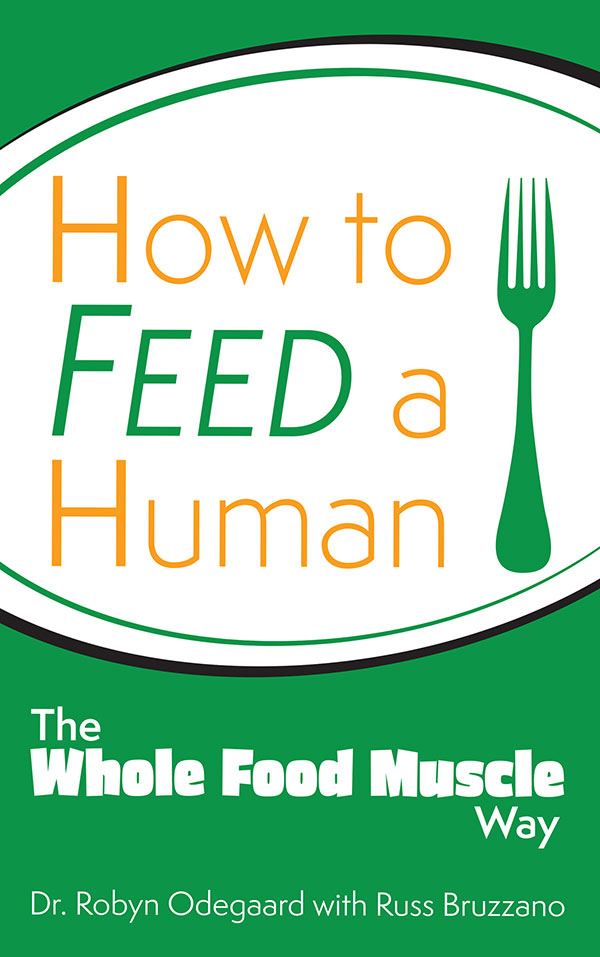
Nutrition – It’s not going to surprise anyone for me to say eating more plant-based is good for your brain. So I’ll just go ahead and get it out of the way first. Eliminate dairy, especially cheese. We’ve had this conversation many times. I’ve written about dairy here before and there is a whole chapter about it why it’s not healthy to consume in our book, How to Feed a Human The Whole Food Muscle Way. I’ll leave it at that for now.

Exercise – Getting your blood pumping creates good blood flow in your brain, allowing all the little capillaries to be awash in toxin-clearing, oxygen rich blood. It’s like a detox for your brain and creates cognitive resilience. But when I say “exercise” I don’t mean a leisurely stroll around the block while drinking coffee and chatting with a coworker. To remove brain fog you need to get your heart rate up, you need to feel tired. A 20-minute brisk walk, more days a week than not, will do it.

Sleep – You can will yourself to eat better and you can will yourself to exercise. You can’t will yourself to get deep restorative sleep. In fact, trying to only makes it slip farther away. But deep sleep is like a de-frag for your brain. You need eight hours. And before you roll your eyes and tell me you function fine on six, yes, lots of people function. Lots of people also deal with memory loss and cognitive decline. “Functioning” isn’t optimal.

Make your bedroom your “spot.” Your bed should be your safe place to let go of the day, relax and sleep. If you are thinking in bed, get up and write down (longhand, not on a screen) what you are thinking about so you can address it in the morning. Developing good sleep habits and patterns takes time – six to twelve months. And it starts with your bed only being used to two things, sleep and sex. Everything else should be done somewhere else.

Challenging mental activities – You brain needs to be stimulated. That means doing things that aren’t easy or thoughtless, things that are just at the edge of your ability. That’s how you build new connections and strengthens old ones. Learn new skills. Ballroom dance. Play an instrument (assuming you don’t always play the same old songs over and over). Take college classes that make you think. Talk to people who make you question what you know and encourage your brain to expand – because as long as it’s expanding, it’s not shrinking.

There is no reason to sit around dreading getting older because memory loss “runs in your family.” You have options, just like you do with most health issues. The only question is if you are going to take advantage of those options and do something about it while you still can.

Ready to bridge the gap between what you want to do and actually doing it? I can help. Send me and email at Health@RnRJourney.com and let’s have a free, 15-minute conversation about what level of support will move you towards your goals most effectively.

Dr Robyn is a former competitive volleyball player turned psychologist with continuing education in nutrition. Russ is a former competitive bodybuilder and trainer on the Mr. Olympia Tour. They are the co-founders of Whole Food Muscle and the authors of How to Feed a Human The Whole Food Muscle Way. To work with them one on one to improve your health and fitness or to have them speak at your event or organization email them at Health@RnRJourney.com.

Et tu Brute Salad Dressing Recipe

Et tu Brute Salad Dressing Recipe

Out with Caesar!

If you are looking to replace the mayonnaise, cheese and anchovy fat and cholesterol bomb that is Caesar dressing with something substantially more health friendly, this will fill the bill.

As it is written it is very garlicky. I happen to like it. If you aren’t a fan of strong garlic flavor, reduce the garlic by half and add more after you taste test.

Ingredients:

  • 3 Tablespoons tahini
  • 3-4 Tablespoons Dijon mustard
  • 1 teaspoon granulated garlic (can sub 3-4 finely chopped cloves)
  • 2 Tablespoons soy sauce
  • ¼ cup lemon juice (more if you like lemon flavor as much as I do)
  • 2 Tablespoons nutritional yeast
  • 1 Tablespoon maple syrup (optional)
  • 1 Tablespoon capers (optional)

Combine all ingredients and whisk well. I use my immersion blender if I’m making a large batch. Thin if needed with water, the liquid from the capers or more lemon juice, depending on your taste preference. If you want it thicker, add a bit more nutritional yeast.

Works well over no-tuna salad if you don’t have time to make the “mayo” for it.

This can be used immediately but it is better the next day. Will keep in the fridge for 10-14 days. Although I’ve never had it last that long.

Dr Robyn is a former competitive volleyball player turned psychologist with continuing education in nutrition. Russ is a former competitive bodybuilder and trainer on the Mr. Olympia Tour. They are the co-founders of Whole Food Muscle and the authors of How to Feed a Human The Whole Food Muscle Way. To work with them one on one to improve your health and fitness or to have them speak at your event or organization email them at Health@RnRJourney.com.
Creating Breast Health Before You Have A Problem

Creating Breast Health Before You Have A Problem

I was fortunate to hear an interview of Dr Kristi Funk, well known breast surgeon and author of the book, Breasts: The Owner’s Manual, when she spoke at the Food Revolution Summit. I usually only share summaries of my notes from such things on our daily Facebook lives and type them up for members of the Whole Food Muscle Club (which I will be doing with these as well).

Because this is such an important topic and breast cancer touches too many lives, I’ve decided to share a few of the key takeaways in this post. If you’d like to watch the Facebook live where I went through my notes you can do so here: https://www.facebook.com/RnRJourneyToHealth/videos/2224042201227320/

Please be aware that some of the points here are direct quotes and some are my interpretation of what Dr Funk said. As with any handwritten notes during a lecture, some leeway must be given for brevity’s sake. If you want more information on the specifics and the science, I would highly encourage you to read Dr Funk’s book.

A partial list of the points from my notes:

  • Women make choices every day that either move them towards or away from getting breast cancer
  • Most people believe – falsely – that breast cancer is completely in the hands of genetics or fate.
    • Not so. Only 5-10% of breast cancer can be blamed on genetic mutation. The rest is environment (what you eat/breathe/are exposed to)
  • 87% of women diagnosed with breast cancer don’t have a first degree relative who had it
  • We have choices: most easily through diet and nutrition, alcohol consumption, exercising, not smoking, maintaining a healthy weight, managing stress, hormone replacement and avoiding environmental toxicity
  • You can’t expect to live on the edges of the bell curve. That’s like taking a gun with room for ten bullets, loading it with eight and thinking it’s safe to play with. In breast cancer, those eight bullets can be controlled by lifestyle choices
  • 77% of women believe there is nothing they can do with their diet to reduce their risk of breast cancer - - this is FALSE!
  • What do you think your cells use to run and replicate other than the food you eat? It’s not magic
  • Cancer can “crosstalk” to other cells to make you a better host for it to grow. Eating plant-based turns down that ability to hijack your system
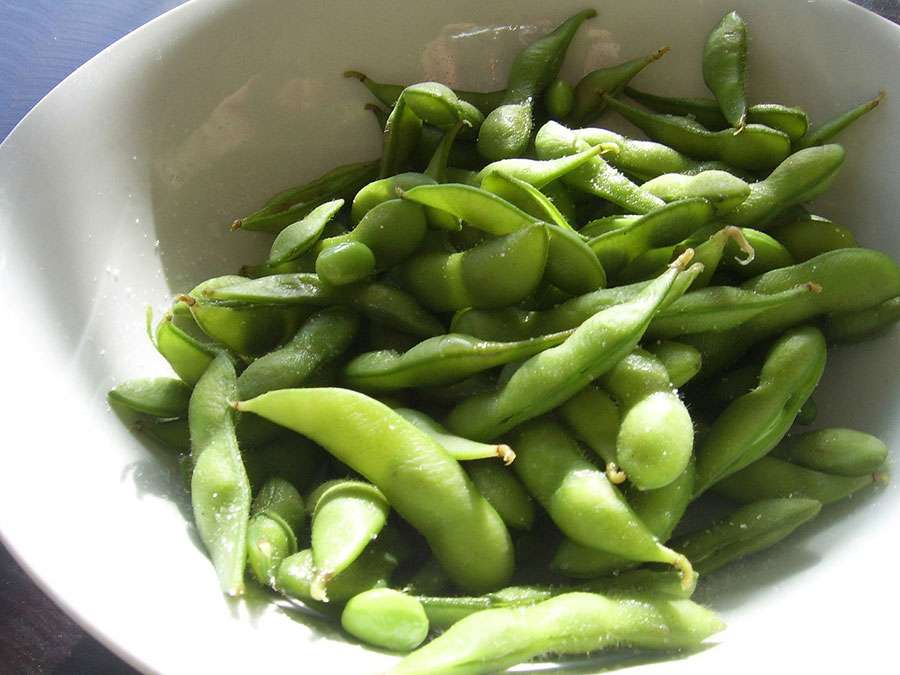
  • 2-3 servings of whole-soy (edamame and tempeh) can DECREASE your risk of first-time breast cancer by 60% and if you have already had breast cancer you will reduce your risk of recurrence by 32%
  • Soy and broccoli are two of the most healthful foods you can eat to fight breast cancer
  • Berries also quiet the crosstalk from cancer cells, causes them to explode (apoptosis) and keeps the blood vessels that cancer needs to live from growing
  • The lack of nutritional education in medical school makes doctors believe that nutrition doesn’t matter. Patients MUST be their own advocate and researcher when it comes to nutrition
  • ALL animal protein and ALL animal fat are hugely detrimental to human cells. It actively PROMOTES illness.
  • One drink of alcohol a day increases your risk of breast cancer by 10%.
    • Two drinks a day Ꙟ risk 20%
    • Three drinks a day Ꙟ risk by 40%
    • You can add 10% risk for every drink thereafter
    • The safest amount of alcohol to consume for breast health is zero
  • Tight bras have nothing to do with breast cancer risk

Don't wait to get a scary diagnoses to move towards a plant-based lifestyle. Not sure where to start? We offer several support options. Email us at Health@RnRJourney.com to discuss what would best get you on the path to better health.

Dr Robyn is a former competitive volleyball player turned psychologist with continuing education in nutrition. Russ is a former competitive bodybuilder and trainer on the Mr. Olympia Tour. They are the co-founders of Whole Food Muscle and the authors of How to Feed a Human The Whole Food Muscle Way. To work with them one on one to improve your health and fitness or to have them speak at your event or organization email them at Health@RnRJourney.com.

How I Taught Myself To Meditate

How I Taught Myself To Meditate

I was one of those people who thought meditation was crazy. You want me to sit, with my eyes closed, in silence and think about NOTHING? How could that possibly be a beneficial use of my time? I had more things to do than I had time to do them. And even if I didn’t, I could think of much more interesting things to do with my time than try not to think. Certainly I didn’t need any of that new age trend.

But then I started to see science backing up the benefits of meditation. I begrudgingly signed up to take a college level class into the research of meditation on coursera.org (Side note, if you enjoy learning, that is a great resource for free classes).

I am nothing if not willing to change my mind based on evidence. That is why we completely changed the way we eat. I had to be open to being wrong about meditation. Besides, I was stressed to the point of anxiety. It couldn’t hurt.

Turns out, I was wrong about meditation. There is a lot of really good science showing it is beneficial. And for the record, it’s not “new age” at all. It’s ancient. I had to let go of my “waste of time” attitude toward it and embrace it. But how does a type A, driven, haven’t-sat-still-since-I-was-born person learn to still her mind? It was a process.

Guided meditation

I started with short guided meditations. A YouTube search brought up hundreds of them. I thought surely I could listen to someone tell me a story for five minutes. It was harder than I thought. The first two minutes was telling me to breathe (Eyeroll – I know how to breathe. Been doing it for a few years more than I wish to admit). Okay, breathing. In through the nose out through the mouth. Got it. What now?

Over several weeks sitting got easier. I found channels I liked, voices I found soothing and I was able to start choosing longer meditations. I also realized I found some of them very relaxing. If I woke up in the middle of the night and couldn’t get back to sleep, I’d listen to a mediation (might as well make good use of my time). Many times it would help me fall back to sleep.

Meditating to music (on YouTube)

Once I was comfortable using guided mediations (three months?), I decided to try just listening to meditation music. Could I focus my mind on the music and not have it wander off? At first, no. I spent more time reminding myself I was meditating, not thinking than actually meditating. But with practice I got better.

Meditating to chimes or gongs (yep, YouTube)

Using chimes posed a different challenge. There were stretches of complete silence where I had to focus only on my breathing. Here’s the problem, when I focus on my breathing, it changes and I get lightheaded. How do you “breath normally” while thinking about your breathing? The very act of observing it changes it.

I never felt like chimes worked for me. They are supposed to interrupt your thought and bring you back into focus. But I felt like they, more often than not, interrupted my focus.

Silent meditation

You can actually find videos of silence with chimes at the beginning and end. They are great except for the ads at the beginning. It’s hard for me to skip an ad and then go directly into meditation. Plus the light flickering from my computer was distracting.

Instead of using a silent video I tried setting the timer on my phone. But the sound it made was too jarring. Now I have an alarm that I set for however many minutes I want to meditate. I’d love to find a single beep, chime or gong sound. But I have a sound that isn’t too invasive for the moment.

Mantra meditation

This is different from silent meditation in that you pick a mantra to repeat while you breathe. Health, wealth and happiness. Peace, power, prosperity. Some people like a single word. Others prefer a string.

Another option is to use ahhhhhhoooommmm as a focus sound. The vibration it creates in your throat is said to be relaxing. I will sometimes use this at the beginning of a meditation period to get myself into the mindset. However, I can only do about ten of them in a row.

Gratitude journal

This isn’t considered meditation per se, but I have found it to be a great way to start my day. We have a lot going on right now, our businesses, the book, current clients, new clients, new proposals and just life. Taking the time to write in my gratitude journal reminds me how great my life is. I start my gratitude thoughts in a few different ways: Today I am thankful for…., I rejoice in…, Thank you for…, I am celebrating…, …brings me happiness. It is amazing how many things I can find to be happy about every day.

How I use meditation

It took me eight to ten months to really get into the flow of meditating. Five months ago I added tai chi (taught myself that using YouTube videos too). I get up ninety minutes early to do tai chi, meditate for twenty minutes and then write in my journal.

If you had told me a little more than a year ago I would be doing this, I would have rolled my eyes and laughed at you. Now it’s as much a part of my being healthy as the food I eat. That’s what happens when you’re open to changing your mind based on new information.

Maybe you don’t have ninety minutes. But surely you can listen to someone tell you a story for five minutes a day.

Need some help getting the right foods in your tummy? Join the Whole Food Muscle Club and let us help you!

Dr Robyn is a former competitive volleyball player turned psychologist with continuing education in nutrition. Russ is a former competitive bodybuilder and trainer on the Mr. Olympia Tour. They are the co-founders of Whole Food Muscle and the authors of How to Feed a Human The Whole Food Muscle Way. To work with them one on one to improve your health and fitness or to have them speak at your event or organization email them at Health@RnRJourney.com.

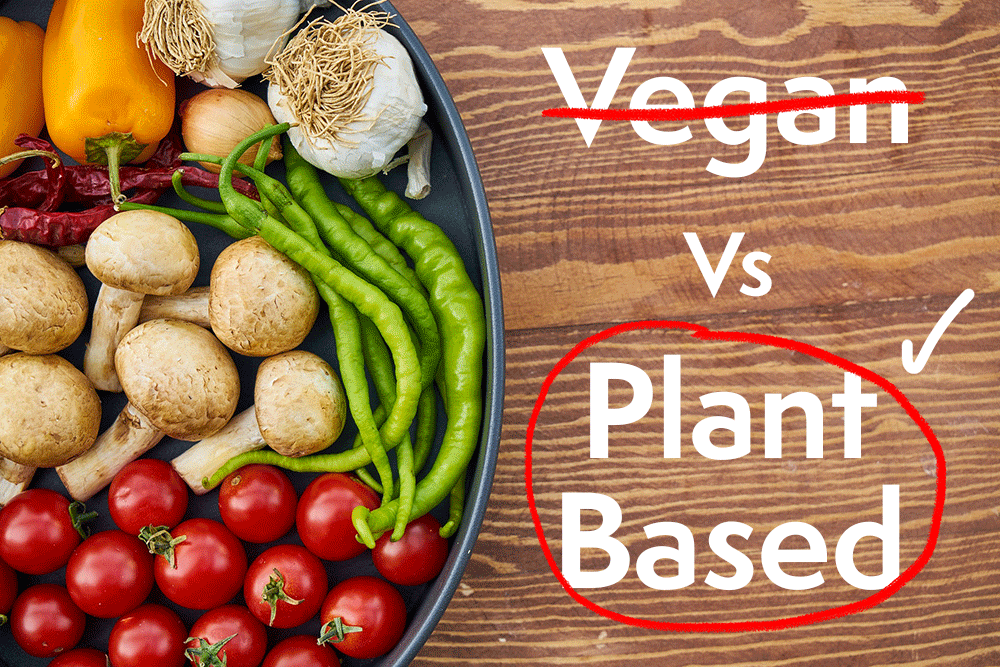
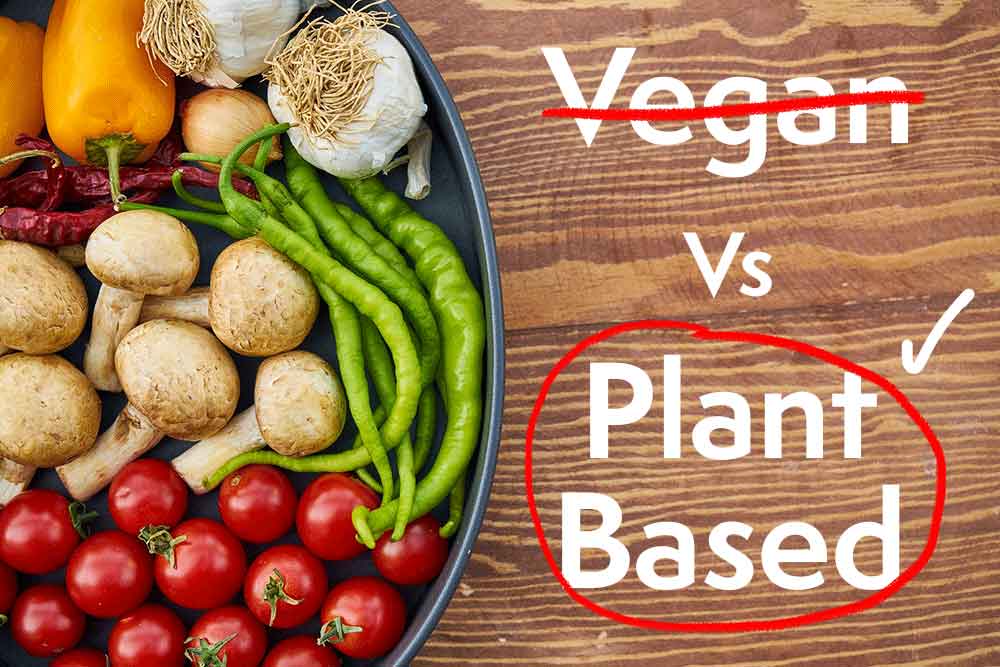
Vegan vs Plant-Based

Vegan vs Plant-Based

Whole Food Muscle _ Vegan vs Plant Based

“Are you vegan?” It’s a question we get asked A LOT. How I answer it depends on how much of a conversation I want to have. I use “vegan” with wait staff at restaurants because it’s an easy shorthand. But it’s not nearly the whole story.

Russ is much quicker to say, “No. We are plant-based.” He’s right. And that always creates the opportunity to explain the difference. Naturally, if we are talking to someone who is interested in learning the Whole Food Muscle Way, we aren’t going to use the word “vegan.”

Here’s why:

Veganism is an ethos. They have eliminated ALL animal products from their lives (shampoo, laundry detergent, toothpaste, make-up, leather shoes, leather seats in their car, etc) because of the animal cruelty that creates those things. Many vegans are also concerned about other issues such as water sources, climate change, hunger, disease and human illness among others.

This means that they don’t eat anything associated with animals. But they can eat anything that’s not. For example; Coke, Pepsi and other soft drinks are vegan. Some will eat Oreos. Others will not because of cross contamination from machinery. There is a large spectrum of what it means to be vegan and we have seen it discussed very hotly on several different occasions.  

Additionally, you really can’t be “kinda vegan.” When we were transitioning, I used to use the word “vegan-ish.” And while that was true in principle about how we were eating, it was absolutely untrue once you really understand what it means to be vegan. Vegan is something you either are, or you are not there is no middle ground. And you can’t really “decide” not to be vegan anymore. When you care about animals the way vegans do, you don’t wake up one day not caring anymore.

Being plant-based is about health. Eating the Whole Food Muscle Way means eating plants as close to the way they came out of the ground as possible. Pepsi, Oreos, potato chips – decidedly not things we would choose to eat. Right this minute you might be thinking, “Wait. Potato chips are… potatoes.” That is true. A very processed, fried in oil, salted to death potato. That doesn’t line up with healthy.

Does that mean we would never have French fries? No. It doesn’t. There are rare occasions when we will have them. And we sometimes eat at vegan restaurants. But our guts are so accustomed to processing real food that they usually complain when we put oil-soaked potatoes or faux meats through our systems.

You certainly can be “kinda plant-based.” It took Russ and I six to eight months to transition 100% to this way of eating. And up until recently I would still have a chocolate chip cookie (with eggs and butter – NOT vegan) now and then. Sadly, or maybe it’s a good thing, my taste buds have changed and the last time I had one, I didn’t enjoy it and it bothered my gut. When we go to Russ’ mom’s she will sometimes buy a chocolate cake. It’s not a huge deal if we have a piece. Is it healthy? No. Is it plant-based? No. Is it really important enough for us to tell his mother not to buy? No, it’s really not.

There are those who are both vegan and plant-based. They combine the ethos of being vegan with the health decisions of being plant-based.

How you choose to eat is 100% up to you. My only request is that you make choices with your eyes open to the facts and the risks. That’s why we share our knowledge as much as we do. If you aren’t seeing our Facebook lives, make sure you like our page and turn notifications on.

Dr Robyn is a former competitive volleyball player turned psychologist with continuing education in nutrition. Russ is a former competitive bodybuilder and trainer on the Mr. Olympia Tour. They are the co-founders of Whole Food Muscle and the authors of How to Feed a Human The Whole Food Muscle Way. To work with them one on one to improve your health and fitness or to have them speak at your event or organization email them at Health@RnRJourney.com.

The Tiny Plant That Kills Cancer Cells

Sulforaphane is an amazing compound. It reduces CRP levels in smokers, protects against cartilage damage, slows osteoarthritis, kills breast and prostate cancer cells, reduces oxidative stress and has been shown to help with autism. That’s a lot of goodness from a plant compound.

Supplement companies know it’s good stuff and have come out with pills claiming to have loads of the stuff. But studies show the pills do next to nothing (if this surprises you, you have not been listening to us talk about supplements).

Where can you get sulforaphane? That is a great question?

This compound is made by all the cruciferous veggies. BUT – only after you chop them and before you cook them. Once you cook them, the enzyme needed to create the sulforaphane is killed. That means that frozen veggies, which are blanched before being frozen, can make it.

You could chop your broccoli, cauliflower, brussels sprouts, kale, etc and leave it sit on your counter for 40 minutes to make sulforaphane before you cook it (once the sulforaphane is made, it sticks around through cooking). Or you can eat all your cruciferous veggies raw.

There is a third option – sprinkle mustard powder on your veggies after they are cooked. Mustard is a cruciferous vegetable. The powder, made from mustard seeds, has the enzyme in it needed to create sulforaphane. Yay! That’s an easy fix.

clothes iron, dumbbells, hammering iron ore

There is an even BETTER option. Two to five-day old broccoli sprouts have 10x more sulforaphane than regular broccoli. They are easy to eat raw (we put them on pretty much everything), they are easy to grow and seeds are REALLY cheap. You can get seeds for pennies a serving delivered directly to your door. (We use this kind) A quarter of a cup to a cup and a quarter of sprouts a day has been shown to have amazing cancer killing properties (this does not mean you should stop listening to your doctor if you are fighting cancer).

You can get sprouting trays and special lids for canning jars. I just use a glass jar leftover from buying salsa or olives or whatever, a coffee filter (I am unclear why we have coffee filters since I have never had a drip coffee pot) and a rubber band. I also use a tea strainer to catch the seeds that want to pour out when I rinse the seeds the first couple of days (I grew up on a farm. I’m good at making do with what I have).

The process is easy and broccoli seeds sprout really quickly.

How to Grow Broccoli Sprouts at Home

  1. Make sure your jar is clean
  2. Add one tablespoon of broccoli seeds
  3. Cover with water (put the water in gently or the seeds will splash up on the sides)
  4. Cover with a coffee filter held in place with a rubber band (keeps dust and summer gnats out of your sprouts)
  5. Let sit on your counter overnight
  6. Drain (I set the jar on its side so the seeds spread out on the side of the jar). Place out of direct sunlight
  7. Rinse once a day (Make sure you drain all the water out. The only time I’ve had a problem is when I left the seeds sitting in water. They will rot.)

You can start eating them the day after you see them break through the shell. Once they get to day five, eat them or put them in the fridge. I try to have two jars going about four days apart (it doesn’t always happen, but I try).

It is also perfectly fine to buy broccoli sprouts. They don’t have the issues with food poisoning that alfalfa sprouts do.

Broccoli sprouts are amazing food. Start eating them more often and in greater quantities.

What next?

Are you convinced that eating more plants is right for your health but unsure how to get started? Send us an email Health@RnRJourney.com. We have several different ways to work with us and get you on the path to better health.

Dr Robyn is a former competitive volleyball player turned psychologist with continuing education in nutrition. Russ is a former competitive bodybuilder and trainer on the Mr. Olympia Tour. They are the co-founders of Whole Food Muscle and the authors of How to Feed a Human The Whole Food Muscle Way. To work with them one on one to improve your health and fitness or to have them speak at your event or organization email them at Health@RnRJourney.com.
Highlights From The Food As Medicine Conference

Highlights From The Food As Medicine Conference

Late on Friday afternoon I had a chat with someone I was just introduced to via social media and email. I had reached out to him in hopes that he could help us get our book in front of one or two people to get a review. But after learning what we do and reading the first chapter of the book he said, “You MUST come to the conference tomorrow!” I replied, “We wanted to, but it’s sold out.” He replied, “Come anyway. We will find you a seat.

I’m always game for spur of the moment adventures. Russ needs a little warm up time. So, when I told him, oh and yeah, we are going to need our book cover printed out with a link to download the first chapter to give people, he blinked twice (maybe three times). But in true Russ form he was game to follow my lead.

What was supposed to be a casual Saturday with an afternoon bike ride turned into leaving the house at 6:20am and not getting back until after 7pm. But it was worth it. In addition to getting to spend the day with lots of other people who know the science and think like we do, we got to hear some of the industry greats speak. If you’d like to see the full lineup go here.

We are talking sharing highlights on our Facebook daily lives (like our page and turn notifications to “all” to get notified when we are live at 9:15am Eastern Monday – Friday) and I will be typing up all my notes and adding them to the community page for members of the Whole Food Muscle Club (become a member by clicking any one of the Whole Food Muscle pictures in this posts). I also want to provide a few of the highlights here (not direct quotes as I was scrawling notes).

Jane Esselstyn, RN – The most authentic way to know if someone is telling the truth: all they are selling is information, not products.

Brenda Davis, RD – Every cell of your body is impacted by what you eat. Be picky about the carbs you eat. NO refined carbs. We HAVE to stop making food the lowest priority in our day.

Dr Michael Greger – There were 7000 studies showing smoking was bad for humans before the first official warning came out. 14 million people a year die preventable deaths waiting for the plant-based diet to become normal and recommended. We have to stop waiting for “normal” to catch up with the science.

Dr Scott Stoll – Many people mistake their dopamine withdrawal symptoms as hunger. Then they eat junk (releasing dopamine in the brain) and reinforce that belief, ending up in a cycle of wanting (as opposed to liking). They eat something they “want” but don’t enjoy and then feel guilty about eating it. Such is the reality of food tolerance (when your body is habituated to eating high calorie junk food). It takes six to nine months to unlearn emotional eating.

I was also reminded of the Yale Addiction Scale. If you believe you may have a food addiction and would like to take the assessment, send me an email at Health@RnRJourney.com to schedule time to go through it and discuss the results.

Dr Kim Williams – We need to take the “die” out of “diet.” The 1918 flu pandemic was the last time heart disease was not our number one killer. Subsidized junk food is a problem. Twinkies have 14 different subsidized products in them. No wonder they are so cheap! If you’ve had a heart attack and then go on the keto diet you have a 53% increase in death risk.

Dr John Kelly – What do you want your last ten years too look like? Every cell has a full copy of your genome. What the cell does is based on genes being turned on or off. What you eat has a huge effect on the outcome of each individual cell. Cell age is not related to time. It’s related to a toxic lifestyle. Genes are inherited. So are recipes.

So much great stuff packed into one day! If you’re ready to stop talking about change and actually start making progress towards your goals, send me an email (Health@RnRJourney.com) to schedule a free 15-minute conversation to see what the first step of your journey looks like.

Dr Robyn is a former competitive volleyball player turned psychologist with continuing education in nutrition. Russ is a former competitive bodybuilder and trainer on the Mr. Olympia Tour. They are the co-founders of Whole Food Muscle and the authors of How to Feed a Human The Whole Food Muscle Way. To work with them one on one to improve your health and fitness or to have them speak at your event or organization email them at Health@RnRJourney.com.
Eating While Traveling

Eating While Traveling

Perhaps you’ve figured out how to eat pretty well when you’re in your routine: home for breakfast, bring lunch to work, home for dinner. And you even navigate the occasional work lunch or dinner without a problem. But now you have to go out of town - business, pleasure, family (is that business or pleasure?). It doesn’t matter. The reality is the same – it’s hard to eat well when you are out of your zone.

I did some research to find tips from plant-based experts, vegan athletes and anyone who had ideas to help with making good food choices while traveling and combined them with what we have done. With a little planning, you can travel and not undo the work you’ve done getting your health in order and feeling great.

Choose where you stay

  • Book a place with a kitchen or kitchenette.
  • Look for bookings that say “studio”
  • Ask for a hot water kettle (very common in Europe).
  • Ask for a microwave or a mini fridge if your room doesn’t have one.
  • Empty the mini fridge of alcohol and snacks to put real food in there. If you are concerned that they will charge you because things were out of place (I have heard such things), ask them to empty it for you.
  • Ask for a bowl and some cutlery (or bring your own).

Research before you go

  • Use Google to its full advantage. Search vegan + city name.
  • Take advantage of social media groups, Facebook, Reddit and LinkedIn all have active vegan and plant-based groups you can search. And don’t be shy about asking for recommendations in specific cities. You might be surprised at the responses you get and you might make a new friend (I have).
  • Print out what you find if there is any risk you won’t have internet access.
  • If you are using a travel agent, ask for vegan suggestions.

Things to pack

  • Bring a collapsible cooler with you. If you can’t get a mini fridge, you can certainly make use of the ice machine. Plus, you can pack it with food for the plane if you want.
  • Bring a can opener. There is nothing more annoying than having a can of beans and know way to get into it.
  • Remember your B12. If you are going to be gone for more than a week or so, you’ll be glad you brought it.
  • If traveling by car (or if you’re brave) bring a hot plate and a pot.
  • I know of someone who brought her instapot with her. I’m not into schlepping appliances, but if it works for you – go for it!

Bring stuff that’s easy to eat

  • Oatmeal – Rolled oats only require hot water and some time. In a pinch you can make overnight oats by using tap water and leaving them covered on the dresser overnight. It’s not sexy but it’s good food. Even instant oatmeal is better for you than anything you’re going to get from a vending machine.
  • Nuts/seeds/dried fruit – You can make your own trail mix and eat it almost anywhere. Energy rich, easy to make, carry and eat. It is our go-to anytime we plan to be out of the house for more than a few hours. Just bring some. You’ll never be sorry you did.
  • Nut butters – These travel well and are high energy. Keep in mind that you can only bring 3.4 ounces on an airplane and something other than peanut butter is preferable in case someone on board has a peanut allergy.
  • Carrots and hummus wraps – A good option for a snack when flying. Just make sure you eat it all before you land if you are flying internationally. They will not be pleased with you if you try to come through customs with produce.
  • Rice, quinoa, sweet potato, beans or hummus and avocado – This is pretty good cold and works well as an airplane meal. Bring your own fork or spoon so you don’t have to wait for food service.
  • Chia seeds, hemp seeds, flaxseed and goji berries are all very easy to carry and can be sprinkled on anything to add nutrition. If you end up only being able to get a salad, no worries, you’ve got it covered.
  • Energy bars – These are not whole food and are not typically part of the Whole Food Muscle Way. However, they are better than eating junk or starving.
  • Bonus tip – don’t pack anything with chocolate. It too easily becomes a melted mess.

Let the airline or cruise line know

  • If you travel regularly you can make your food preferences part of your profile. If not, call twenty-four to forty-eight hours ahead and let them know. Tell the gate agent and flight attendant. I have heard very sad stories of other passengers getting someone’s special request meal because they were sitting closer to the front of the plane and asked.
  • Speak with the food service manager when you arrive on board. They are more than willing to make your trip as pleasurable as possible. The more they know, the easier that is for them.

When you arrive

  • Ask the hotel staff for suggestions on where to get a good plant-based or vegan meal.
  • Search out the nearest grocery store, farmers market or natural food store if you’re going to be in town awhile.
  • Scope out the nearest Wendy's. In a pinch you can get a couple of plain baked potatoes and put  hummus from the grocery store on them.
  • Use HappyCow.net (they have an app as well).

No one else eats this way

As shocking as it is, not everyone has realized that what they eat directly effects their health and how they feel. It’s a problem and we’re working on it. But until everyone catches a clue, you’re going to have to deal with being the odd-human out. If you’re already eating this way, you likely have learned to deal with it at some level. But some people (especially family) seem to just want to go out of their way to make things awkward.

Over the holidays I gave some suggestions on how to deal with questions, push back and attacks on your food choices. You can read that article here.

But also keep in mind, just because you are vacationing with family doesn’t mean you HAVE to eat with them. It is possible to go your separate ways and reconvene later. And you can certainly cook for yourself (assuming there is a kitchen).

Generally speaking, we have found that most people are willing to “put up with” or even accommodate our way of eating. But that could be because they know there is no sense in arguing with them. We’ll just science at them. ????

Dealing with the fear of missing out on local specialty foods

It seems no matter where you go there is something you “have” to try because it is a local delicacy. And it usually involves fatty meat cooked with sugar or lard or some equally unhealthy options (why aren’t delicacies ever healthy?). You have a few of options:

  • Just skip it – Yes food is a part of any culture. But it’s not the only part.
  • Have a bite or two – Nothing says you have to eat an entire plate full or multiple meals.
  • As if they use the same spices and cooking techniques on vegetables. It’s entirely possible. We have done it.
  • Decide you’re not going to worry about eating healthy while on vacation (not recommended and the risks are discussed in a bit).

Speak a little of the local language

  • Saying “vegan” or “vegetarian” may not help you much as those terms mean different things in different places.
  • Instead learn the works for “no meat, fish, diary, cheese and eggs” (throw in oil if you want to keep your oil in take to a minimum).
  • Words like “beans,” “nuts” and “seeds” might also be helpful.
  • Get a translation card. We have never used this site but it looks REALLY useful: World Accent

Decide not to care

This is certainly not the ideal choice for your health. But as with everything on the Whole Food Muscle Way, it is a personal choice. I recently spoke to a client who went this route and she said she will never do so again.

  • Bloating – she was miserable after many meals because her body was not used to processing animal products
  • Weight gain – No explanation needed
  • Cravings – Upon returning from her vacation she had planned to go right back to her 100% plant-based diet. But her body has other ideas. She is once again having to overcome fat and sugar cravings.

Your taste buds adapt rapidly. A week is enough time for things to start to change. But your brain remembers salt, sugar and fat right away and will not forget just because you came home.

Those are the suggestions I found and thought were useful plus a few we have used. Are there any I have missed? Drop me a line and let me know!

Are your eating and health not where you wish they were?

Email me at Health@RnRJourney.com and set up a free fifteen-minute conversation to see if we are a good fit to work together.

Dr Robyn is a former competitive volleyball player turned psychologist with continuing education in nutrition. Russ is a former competitive bodybuilder and trainer on the Mr. Olympia Tour. They are the co-founders of Whole Food Muscle and the authors of How to Feed a Human The Whole Food Muscle Way. To work with them one on one to improve your health and fitness or to have them speak at your event or organization email them at Health@RnRJourney.com.

The Best Sweetener To Choose

The Best Sweetener To Choose

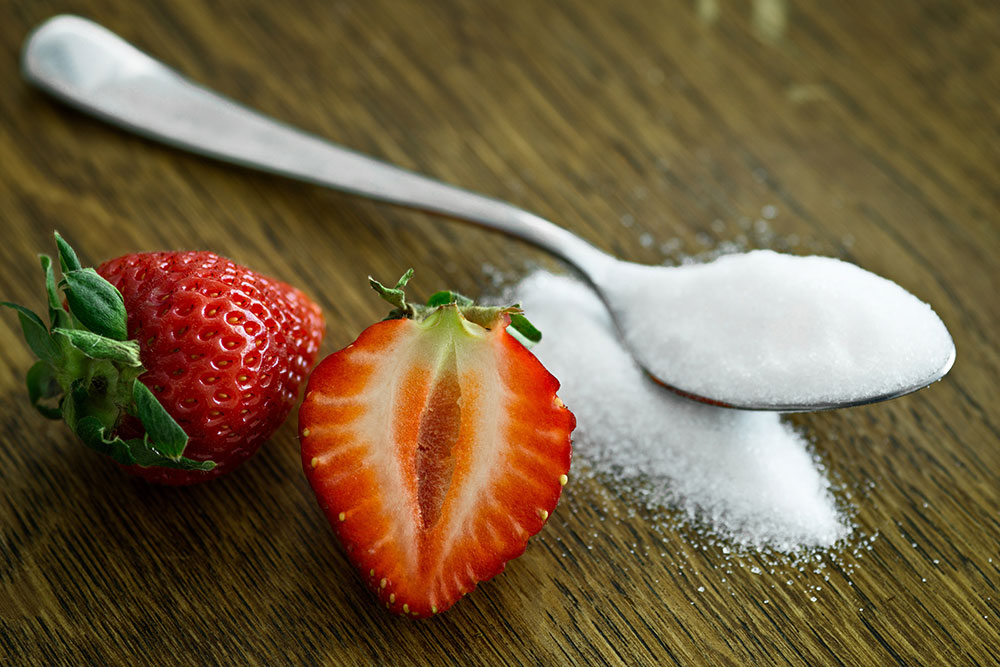
Our taste buds respond positively to the taste of sweet from the moment we are born. And for good reason, sweetness indicates calories and calories are what keep us alive. But that system has been hijacked by the food industry to get us to eat more of their product. Estimates vary between 57 and 156 pounds of added sugar a year for the average American. I’m not sure how the estimates can vary so wildly. But I decided to do some quick math using the lower of the two numbers.  

One pound of sugar = 1,775 calories. 57 pounds a year x 1775 calories = 101,175 calories 

You have to burn 3,500 calories to lose a pound, or keep from gaining it if you ingested that many extra calories (recall you can’t outwork a bad diet). All that sugar translates 28.9 pounds of body weight. That is frightening! 

You might wish that data would scare you off of sugar, but it won’t. So let’s talk about where sugar hides and how you can best enjoy a little sweetness in your life.

Where the average person gets all that added sugar

If you are eating ready-to-eat food from a package, in a restaurant, from a deli or anywhere else you can get heat-and-eat food, you can bet it has sweetener in it. Sugar is also lurking in condiments (ketchup, BBQ sauce, regular peanut butter, etc) and places you’d never expect like bread. Do I need to mention candies, cookies, cakes, sodas, sports drinks and fancy coffee? Check the ingredients for names like: natural sweetener, HFCS-90, HFCS-50 (all better known as high fructose corn syrup), anything ending in -tose, sugar, syrup of any kind, evaporated juice, molasses, honey and any of the other 56 ways they hide sugar in processed food. 

But is sugar really that bad?

There is no simple answer to that question. Your body knows how to process sugar and it does turn into energy. So, it’s not “bad” in and of itself. It’s certainly better for you than artificial sweeteners made of chemicals meant to trick your body. 

If you want to sweeten your coffee or your oatmeal with a teaspoon or two of sugar, that’s not going to be a problem. But a pound a week or more? That is simply too much and can damage your metabolism.

Know where you are adding sugar by adding it yourself. Stay away from processed foods that hide your intake.

Is honey better?

Your body can’t tell the difference between sugar and honey. So from your body’s point of view - No, honey isn’t better. Raw, local honey has been shown to possibly help with allergies. However, if you put it in a hot beverage, you kill a lot of the good stuff. If you aren’t buying your honey directly from a bee keeper, you might not be getting honey at all. Sadly many commercially available products labeled “honey” actually are not.  

And of course, honey is not ethically vegan nor is it plant-based (full disclosure – we have honey in the house and I do put it in my tea).

What about maple syrup?

Again, your body can’t tell the difference between maple syrup and sugar. It’s still calories (energy). But in the case of maple syrup, they aren’t completely empty. There are some nutrients in there – as long as you’re getting all-natural maple syrup. Read the ingredients. There are A LOT of products out there claiming to be maple syrup that are actually colored and flavored high fructose corn syrup.

We have natural maple syrup in the house. I use it mostly in recipes. 

Agave or Agave Syrup?

Agave has a lower glycemic index than sugar. At first blush, that seems like it would be a good thing. However, in large amounts it can lead to insulin resistance. For this reason some experts argue that agave is worse than sugar. If you have it in the house, I wouldn’t say this warrants tossing it. But it is not the sweetener of choice we use.

Molasses/Brown Sugar

Molasses is a byproduct of producing sugar and it does have some minerals in it. That’s not to say it’s healthy by any means. It’s just slightly less bad for you than regular sugar. 

Note – brown sugar is regular sugar with some molasses added back to it to make it brown. 

We don’t have molasses or brown sugar in the house.

Coconut Sugar

Coconut sugar is processed a little differently than regular sugar. The juice is extracted and the water is evaporated off. It has a tiny bit of fiber, some nutrients and a low glycemic index than sugar. But really, it’s not that much different to your body. Similar to brown sugar, it is slightly less awful for you. But that by no means makes it a health food.

We have never used coconut sugar. I have seen recipes that call for it and wouldn’t be opposed to trying it as some point. 

Bottom Line

It’s not the sugar you add yourself to recipes, your tea or your oatmeal that is the problem (assuming you aren’t using cups of the stuff a day). You body is fully capable of processing a couple of teaspoons of the sweetener of your choice a day. 

It’s the sugars we get that we don’t realize we are eating that are a problem. Read the labels of all packages to educate yourself on where you are getting sugar and how much of it is in your diet.

Have a sugar addiction you can’t break?

Dr Robyn can help. Send an email to health@rnrjourney.com to set up a free 15-minute chat to discuss working with her.

Dr Robyn is a former competitive volleyball player turned psychologist with continuing education in nutrition. Russ is a former competitive bodybuilder and trainer on the Mr. Olympia Tour. They are the co-founders of Whole Food Muscle and the authors of How to Feed a Human The Whole Food Muscle Way. To work with them one on one to improve your health and fitness or to have them speak at your event or organization email them at Health@RnRJourney.com.

Workout Self-Sabotage

Workout Self-Sabotage

Exercising but not losing weight? You might be stuck in one of these four common workout pitfalls.

Exercise is an important factor in human health. It makes our heart more efficient, keeps our bones strong and keeps our muscles from withering away. But with few exceptions, if you ask people why they workout they will tell you they are trying to lose or maintain their weight. I can tell you from personal experience (and the science agrees) that working out alone will not take or keep the weight off. That was one of my complaints to my doctor before I switched to the Whole Food Muscle way of eating. I was working out hard five days a week, bike riding upwards of 100 miles a week and still my weight was creeping up. Not fair!

Being at a healthy weight is 20% about exercise and 80% about what you eat.We talk a lot here about what to eat. Today I’d like to share four reasons why exercise alone isn’t making as big a difference in your weight loss journey as you wish it would.

The human body is an efficient machine. You would think that people living a hunter/gatherer lifestyle would burn 1000s of more calories a day than those of us who sit in front of a computer all day. But it turns out that’s not the case. When you think about it from an evolutionary perspective, it makes sense. Paleo-humans didn’t have access to 10,000 calories a day. The plants they were eating where tough and fibrous and high calorie foods were rare. Humans would not have survived if searching for food (exercise) burned more calories than they could find.

I explain all of that to say this – unless you are a professional or Olympic level athlete changing up your workout on an almost daily basis and pushing body to the point of exhaustion, your workout isn’t burning 1000s of calories. Even if the cardio machine says differently.

Working out makes you hungry. Well yeah. That makes sense. When you burn calories, your body is going to want to refuel. However, if you over-refuel you’re not burning fat. Why would your body bother when there are ready calories being pumped into the digestion system? I experience this when I swim. Swimming is supposed to be one of the best exercises you can do. It’s not hard on your joints and it works the whole body at once. But after I swim, I am ravenous!

It doesn’t do any good to burn a bunch of calories if you refuel with the same amount or more. But you also can’t use willpower to force yourself to eat less than your body demands. Portion control is trying to tell 2.5 million years of evolution to eat less. It’s not going to work. You have to eat nutrient dense foods that aren’t high in calories.

The belief that you have to feed your muscles. We see it every day. Men and women walking out of the gym chugging their protein drink or noshing on a protein bar. The myth runs deep that that moment you stop working out you HAVE to intake protein or your body will eat its own muscle. But that’s not how it works. If our bodies digested our muscle first we would never have made it off the Paleo-grasslands because we wouldn’t have had the strength to search for food. Yes, you need to feed your body. That is true. But not with calorie dense, fake processed food.

Someone asked me just today if we eat before we workout. No, we don’t. And on fasting days we don’t eat until eight-ish hours after we workout. On non-fasting days we eat our oatmeal with fruit and seeds right after our daily Facebook like (if you aren’t watching those you totally should. Like our page here: RnR Journey to Healthand make sure to change notifications to all so Facebook will tell you when we are live at 9:15am Eastern).

Again, you need to eat nutrient dense foods. Not loads of processed protein.

The “I deserve…” monster. This might be the biggest enemy of working out. The belief that spending time in the gym or running or riding your bike or taking x-number of steps give you the right to eat whatever you want. That’s not how it works. If you are caught in the mindset that you can “reward” yourself with something unhealthy because you worked out, or on the flipside that you can eat/drink empty calories and just spend an extra fifteen minutes on the treadmill to make up for it, your weight is likely not heading in the direction you want it to.

What to do next. You can’t outwork a bad diet. That is particularly true if you are no longer in your twenties. But that’s not to say you shouldn’t workout at all. Like I said at the top, exercise is an important part of your health. Drop us an email at Health@RnRJourney.com to schedule a chat with Russ to create your custom workout plan.

Bonus for members of the Whole Food Muscle Club: sign in and check out the example beginner workouts Russ created.

Dr Robyn is a former competitive volleyball player turned psychologist with continuing education in nutrition. Russ is a former competitive bodybuilder and trainer on the Mr. Olympia Tour. They are the co-founders of Whole Food Muscle and the authors of How to Feed a Human The Whole Food Muscle Way. To work with them one on one to improve your health and fitness or to have them speak at your event or organization email them at Health@RnRJourney.com.