Will Eating Nuts Make You Fat?

Will Eating Nuts Make You Fat?

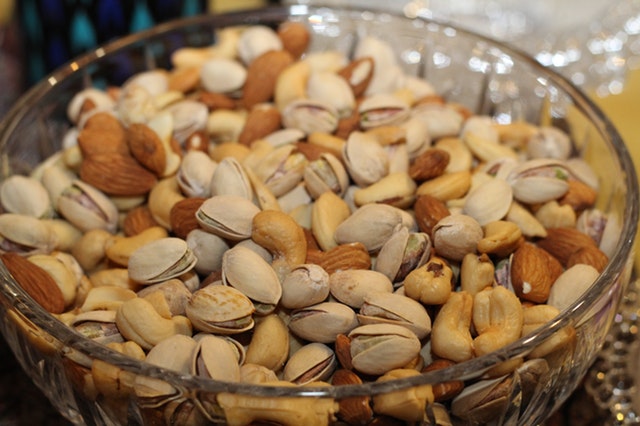
When I tell someone that we eat a lot nuts, usually pecans or almonds because I’m allergic to walnuts, they often say, “You’re lucky. I could never eat those they are so high in fat.

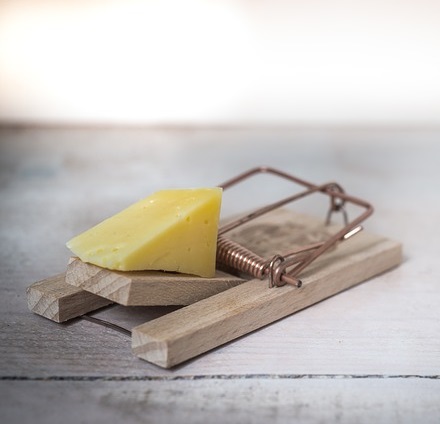
What strikes me is that people worry about nuts being “high in fat” but rarely think about the fat in cheese or beef or chicken.

Why have we been warned to only eat a “handful” of nuts so often that it’s become a “fact?” I don’t know the answer to that question.

With all the research I’ve done, I can’t find concrete information as to where that idea came from. But I have found, over and over, that eating nuts instead of other snack foods has been shown to have positive health benefits.

A “serving” of nuts or seeds is a quarter cup of nuts/seeds or two tablespoons of a nut butter (peanut butter, almond butter, etc – the natural kind with just nuts and maybe salt).

We eat easily 2-3 and maybe more times that much on a daily basis (except fasting days). Yes, it’s “a lot” of calories and there is fat in them certainly.

There is also protein and carbohydrates. Cashews, for example, are about 21% protein, 25% carbs and 46% healthy fat. One serving is about 200 calories (almost as much as a whole head of cabbage).

Now, before you go running off to rid yourself of every nut and seed in the house, the science says they are GOOD for you and clinical trails have shown the don’t make you gain weight.

In fact, they can cause you to LOSE weight. How is that possible?

The fat in nuts makes you feel full

Your brain knows, from years of evolutionary practice, that fat = energy. When you intake enough energy and nutrients your body recognizes, in the form of plants, it says, “That’s enough. I’m full. Thanks.” And you stop eating and you eat less later (dietary compensation).

To be fair, if your body is used to getting empty fat (no nutritional value) like that found in processed “foods” and flavorings, it might have learned to ignore that feeling because it’s not used to getting nutrients with fat. Which means until it relearns, you’ll have to be consciences that you don’t eat cups and cups of nuts in a sitting.

This is also a risk if you are eating salted nuts as the salt will override your body’s “I’m full” message. (We eat only raw, unsalted nuts and seeds.) This dietary compensation accounts for about 70% of the calories in nuts.

Not all the calories are bioavailable

That is a fancy way of saying, we can measure the calories in a lab by burning them (remember that one calorie = the amount of energy it takes to raise the temperature of a gram of water one degree Celsius. Don’t worry your body doesn’t understand what that has to do with anything either).

But, your body is not as efficient at extracting calories from food as a flame in a lab. About 10% of fat calories are flushed right through your system. Never getting a chance to land on your hips.

Nuts rev your metabolism

Unlike other foods that are high in fat (animal products, which are also unhealthy fat) that slow your system down, nuts have been shown to increase the number of calories you burn.

Burning about 11 grams of additional fat in an eight our period. (Shh don’t tell the drug companies. They’ll try to extract it, patent it and say they created a wonder-weight-loss drug).

Nuts are loaded with nutrients

The list of all the good stuff in nuts reads like a high school chemistry textbook, so I won’t bore you. But the highlights are iron, calcium and vitamin E. Bonus!

Will nuts raise cholesterol?

The short answer is, no. In fact, eating just four Brazil nuts a month has been shown to reduce cholesterol. The science on this is in the early stages. But since there is no down side to eating four nuts a month, why not?

We eat ours on the first of every month. (In this case, more is not better. Too many Brazil nuts can cause a problem with selenium. Good for you in the right dosage. Not good for you in high dosages.)

Nuts might make you better in the bedroom

Erectile dysfunction (men) and low arousal (women) is often caused by early atherosclerosis (the same thing that causes heart disease).

It makes sense when you think about it. Arousal requires good blood flow. Impaired blood flow. Impaired arousal. Not to mention an early warning sign that you’re headed for heart disease.

Eating nuts lowers cholesterol. Lower cholesterol equals better blood flow. Better blood flow… You get the picture.

In short, eating nuts will not make you fat, may help you lose weight, will lower your cholesterol and improve your blood flow and make your bedroom time more enjoyable. If that doesn’t motivate you to eat nuts and seeds, I’m at a loss as to what will!

What Next

Ready to jump start your health and longevity? Click here to book a call with Dr Robyn and get on the path to a happier, healthier you!

Dr Robyn is a former competitive volleyball player turned psychologist with continuing education in nutrition. Russ is a former competitive bodybuilder and trainer on the Mr. Olympia Tour. They are the co-founders of Whole Food Muscle and the authors of How to Feed a Human The Whole Food Muscle Way. To work with them one on one to improve your health and fitness or to have them speak at your event or organization email them at Health@RnRJourney.com.

Pavlovian Eating. Do You Do It?

Pavlovian Eating. Do You Do It?

You know about Pavlov and his dogs who would salivate at the sound of a bell. But did you know that same response is making you eat foods you know are bad for you, when you’re not hungry?

Consider this:

You’ve been busy working. You look up and it’s 1:45. Suddenly you’re starving. Why? You weren’t hungry 5 minutes ago.

You’re at the movies or watching your favorite TV show. What are you eating? Why? You likely aren’t actually hungry.

You meet some friends at a restaurant for an after-dinner drink. Someone orders appetizers and you realize after the plate is empty that you just ate a second dinner of all fried food. Why?

Habit. We’ve trained our brains to eat even when we aren’t hungry. We eat when the clock says to, not when our stomach says to. We eat in front of the TV or at the movies because, well that’s just what we do. We eat in social settings because that’s the norm.

Do you even remember what it feels like to actually be hungry? To eat when your body says you should and to stop when you’ve had enough. If you’re like most Americans the answer is no.

The only way to eliminate a Pavlovian response is to disconnect a time or an activity from eating. Ask yourself these questions:

Am I actually hungry?

That question is harder to answer than you’d think. Because your brain is all too happy to say “Yes!” If you aren’t happy to eat an apple or some raw broccoli, you aren’t hungry.

When did I last eat?

If the answer is less than 3-4 hours ago, you likely don’t need another meal or a fatty/sugary/salty snack right now. Assuming of course you ate a good, nutritious meal 3-4 hours ago. (Side note, you never NEED a fatty/sugary/salty snack).

Why am I choosing to eat this?

Too often we don’t think about the food choice we are making. It is simply a habit triggered by what is going on around us. If we can catch ourselves eating without thinking we have a chance to make a choice. Healthy or not, but at least we are making a conscious choice.

Is there a whole-plant food I could eat?

Whole-plant foods such as fruits, veggies and starches are high bulk and low calorie. Their volume fills our stomachs so we can’t eat anymore before we eat more calories than we can burn. Replacing the animal-based proteins, fats and the junk-food carbs you eat out of habit with fresh or frozen fruits and vegetables, whole grains, beans, and plant starches (yes even rice and potatoes) will make you think about what you are eating. That’s a good thing!

Be smarter than a dog. Put an end to Pavlovian eating. Your gut and your butt will thank you!

Feel like eating runs your life and you want it back?

Click here to book a Jump Start consultation with Dr Robyn. She will help you unravel the hold salt, sugar and fat have on your waistline.

Dr Robyn is a former competitive volleyball player turned psychologist with continuing education in nutrition. Russ is a former competitive bodybuilder and trainer on the Mr. Olympia Tour. They are the co-founders of Whole Food Muscle and the authors of How to Feed a Human The Whole Food Muscle Way. To work with them one on one to improve your health and fitness or to have them speak at your event or organization email them at Health@RnRJourney.com.
Intermittent Fasting, FAQ

Intermittent Fasting, FAQ

Intermittent fasting, sometimes abbreviated IF and also called “time restricted eating” has been gaining in popularity in recent years. Used both as a method of dieting and to improve health and longevity, there are several ways to implement it in your life if you believe it is the right choice for you.

What is Intermittent Fasting?

Intermittent fasting is the conscious decision to eat at certain times and not eat at others. Basically, it is patterned eating, the opposite of “grazing.”

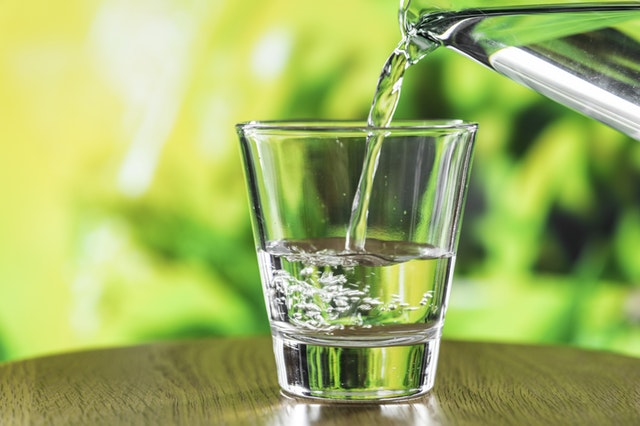
Drinking water is a MUST! I will explain the details of different styles of intermittent fasting below. But it is important to realized that fasting does not give you the freedom to eat whatever you want with abandon when you do eat. Nutrition and food quality are still the bigwigs of human health and longevity.

The History of Intermittent Fasting

Fasting has been part of the human condition since the beginning of time. Mostly because food just wasn’t always available.

Humans, like other animals, ate when they could find food and didn’t when they couldn’t.

In recent centuries fasting became part of many religions, but other than that it has fallen by the wayside as food has become available on every street corner in the western world.

However, the constant access to ever cheaper but less nourishing calories has come at a health price. We are fatter and sicker than ever.

And the more we diet, the fatter we end up and rates of metabolic diseases like diabetes, heart disease, high blood pressure and high cholesterol are skyrocketing. Our bodies could really use a break from the nearly non-stop processing of food.   

Why Intermittent Fasting is Good for You

When our bodies are processing food the pancreas releases insulin to move glucose (blood sugar) from the blood and into the cells where it can be used as energy. When there is insulin in the system your body is not burning fat because there is plenty of fuel in the form of glucose.

When you fast, all of your glucose gets used up and your body shifts to using glycogen (stored in the liver and muscle cells) for fuel and your insulin levels begin to drop.

After six to eight hours you run out of glycogen and your body must start burning fat (Don’t worry. That’s how it’s designed to work).

Not having insulin in the system and burning fat helps with insulin sensitivity. It also gives you body a chance to clean up cells that aren’t functioning at their peak level.

You can think of them as zombie cells. They are there, but they aren’t really doing their job. When your body isn’t focused on processing food, it gets a chance to notice, “Hmm this cell is not in good shape” or “This one didn’t replicate right” and it can dispose of them.

Just like your computer can only run a defrag to clean up the memory when you’re not working on it.

Plus, the calorie restriction that happens naturally with intermittent fasting and the resulting ideal body weight have been shown to increase longevity.

Will Intermittent Fasting Help with Weight Loss?

Yes. Intermittent Fasting has been shown to be as useful in creating weight loss as calorie restriction diets and many people find it to be much easier.

We have had clients report that it takes less willpower to say, “not yet” for a scheduled period of time than it does to say, “just a little” all of the time.

We have a client who has lost 60+ pounds using a version of 16/8 intermittent fasting (explained below).

The upside of intermittent fasting as compared to calorie restriction is that the fat to muscle ratio being lost is better. Typically, 25% of weight lost is muscle. However, with intermittent fasting that drops to 10%.

Will Intermittent Fasting Make Me Too Thin?

For those who struggle to eat enough to maintain a healthy weight, either due to an eating disorder or just not being “big eaters,” intermittent fasting is likely not an ideal choice. However, for the rest of us, using intermittent fasting does not seem to cause our bodies to get “too thin.”

It took us about six months of intermittent fasting while moving towards a whole-food plant-based lifestyle for us to reach our ideal weight. Since then, our weight has been stable within a few pounds.

With our active lifestyle, it could be assumed that if intermittent fasting was going to make someone too thin, it would be us. But that has not been the case at all.

Will I Binge Eat After My Fast?

It is unlikely that you will binge eat when you break your fast, assuming that you choose good quality, nutritious foods to break your fast.

If you eat highly processed foods loaded with fat, it’s going to be REALLY easy to eat to the point that you are miserable and take in way more calories that you need.

However, studies indicate that most people ingest about 10% more calories after a fast than they normally would. Which means that you’re 90% down from what your normal intake would have been had you not fasted.

Will Intermittent Fasting Ruin my Metabolism?

No. Your metabolism does not respond to fasting the same way it does to calorie restriction.

In calorie restriction there is a reduced amount of fuel available over a long period of time. During that time your body learns, “There is consistently only this amount of fuel available. We had better conserve our energy” and turns down your metabolism.

This can lead to the frustrating experience of a weight loss plateau, followed by gaining weight even though calorie intake is still low.

By contrast, intermittent fasting teaches your body that there are always plenty of calories available on average. They just aren’t available ALL the time.

So, your metabolism keeps humming right along, doing what your body is designed to do; burn fat when fasting (That’s how you stay alive through the night). In fact, your metabolism may go up a bit while fasting because your body thinks, “Hey! Get off your backside and go find some food!”

Will Intermittent Fasting Lead to an Eating Disorder?

No. An eating disorder is an emotional or psychological condition that manifests in the way a person engages with food.

Intermittent fasting will not CAUSE someone who does not have an eating disorder to suddenly have one. However, if someone has an eating disorder, intermittent fasting could be used as an excuse to engage in disordered eating.

Whole Food Muscle - Water being poured from a stainless steel pitcher into a glass at a restuarant

I (Dr Robyn) have a history of disordered eating, having had anorexic tendencies in my early to mid-twenties.

When I decided to add intermittent fasting to my life, I was careful to pay attention to my thoughts about food, eating and my body. Fortunately, my emotional anxiety due to lack of control and having no say in my life have been resolved.

I have not experienced any desire, thoughts or internal pressure to engage in disordered eating in almost two decades. Intermittent fasting has not changed that (it has however helped bring back the body I remember and love).

If you engage or have engaged in disordered eating, please work with a professional to address the underlying factors prior to adding intermittent fasting to your lifestyle.

How Intermittent Fasting Helps Diabetes

Because intermittent fasting gives your body a break from insulin and reduces fat in the system it helps with insulin sensitivity. It also helps with diabetes as a mechanism of weight loss.

Dr McDougall talks about patients on the verge of amputation showing up at his program in wheel chairs and walking out after using a ten to thirty-day water fast and then following a whole-food plant-based diet.

Clearly fasting of this nature should only be done under the strict supervision of a doctor knowledgeable in both fasting and diabetes.

If you are taking diabetic medications, work closely with your doctor to monitor your medication needs. Adding fasting and/or moving toward a whole-food plant-based lifestyle can rapidly reduce your medication needs.

Can I Work Out While Intermittent Fasting?

Absolutely. When you first start fasting you might find that your body is a little “cranky” about working out, particularly if you typically eat before you work out. That is just your body being in the habit of not having to burn fat.

Start out by doing one of your less strenuous work outs on a fasting day. We workout five days a week, regardless of it being a fasting day or not. It took a few weeks for our bodies to adapt, but now we don’t even think about it.

I (Dr Robyn) have done hard cardio on fasting days and Russ has done legs (his most strenuous work out – not that all his workouts aren’t strenuous ????) without a problem. Of course, make sure you stay hydrated while working out. That’s good advice whether you’re fasting or not.

What Breaks an Intermittent Fast?

Anything that causes metabolic activity in your body breaks your fast. That means, anything with calories or anything your body thinks SHOULD have calories.

Chemicals that make your brain think it’s getting calories (ie artificial sweeteners) have been shown to turn the system on. You’re going to want to avoid both fake and real calories.

Most experts agree that plain tea, water and unflavored sparkling water are fine. There is some disagreement about black coffee, generally most seem to think it is fine to drink while fasting. However, be aware that the acid on an empty stomach might not be the best option.

Can I Chew Gum While Intermittent Fasting?

Because of the artificial sweeteners in gum, we do not recommend chewing gum while fasting (see the above paragraph).

When Should I Eat After Intermittent Fasting?

When you eat depends on what style of fasting you choose and what works best for your lifestyle. There really is no wrong way to add intermittent fasting to your life.

What Should I Eat After Intermittent Fasting?

The best choice for breaking a fast is something rich in nutrients. If you are whole-food plant-based, that isn’t going to be a problem.

If you are still moving towards being plant-based, you’re going to want to stay away from animal products to break your fast. They are going to sit heavy in your gut and, because you are hungry, it will be SUPER easy to eat way too much.

We laugh at ourselves because when we break our fast, we want to eat all the things! Everything in the house looks and tastes amazing (a side benefit of fasting is your taste buds go on high alert and everything is yummier)!

Inevitably, I (Dr Robyn) end up having to put some of what I made back in the fridge because my eyes are bigger than my stomach.

Which Intermittent Fast Works Best?

The short answer is, whichever style you can make work with your life on a consistent basis. There are benefits to fasting for as little as 12 hours and they go up as you hit 18 hours, 24 hours and 36 hours (for the record, we have NEVER fasted 36 hours straight).

Fat burning tends to be at its peak between 16 and 24 hours into a fast and there have been some studies that suggest that 24-hour long fasts are “best” for weight loss. But that certainly does not mean that shorter fasts aren’t beneficial.

Is a Juice Fast the Same as Intermittent Fasting?

No. A juice “fast” is no different for your body at a metabolic level than eating because there are calories to process. In fact, it’s not as good for you as eating whole-food. We don't juice and recommend that our clients don't as well for a couple of reasons:

Juicing removes all of the nutrients attached to the fiber, which are SUPER important for healthy gut bacteria (they need to eat too).

It also makes the calories more quickly available to your system (Just blending food makes it 15% faster for your body to process), and at the same time, you lose the full feeling from chewing and the bulk that lets your brain know you've taken in enough energy.

We suggest just eating the whole veggie or fruit. Your body will thank you.

Intermittent Fasting – Where to Start

Whole Food Muscle - Tall glass of water on a blueish background

You are already fasting. Every night when you go to sleep your body burns through your glucose stores and into your glycogen.

Depending on how long you go between eating at night and eating in the morning, you might even start burning fat.

If you want to start consciously using intermittent fasting, you just have to stretch that time window out a bit. It is possible that you could just skip breakfast and you’d have a 16-or-so hour fast.

There are a few different “styles” of intermittent fasting. None is really better than another. Remember to drink plenty of water to keep yourself well hydrated while fasting.

Five Methods of Fasting:

•    16/8 or using a feeding window. This is likely the easiest way to ease into intermittent fasting because you can just skip breakfast every day. It is called 16/8 because you fast sixteen hours a day and “feed” during an eight-hour window.

Example: you would eat all of your meals between noon and 8pm. Some people push that even farther. We have a client who eats only one “meal” a day between 4pm and 8pm pretty much every day. She has been doing it for a little better than a year at this point and last I heard she was down 60-70 pounds (she is also mostly plant-based).

•    5-2. This method of fasting was made popular by the BBC Documentary, Eat, Fast and Live Longer (available on YouTube except in the UK). With this method you eat normally five days a week and fast on two non-consecutive days.

On your fasting days you are allowed 500-600 calories. Some suggest eating all of your calories at once. Others say it’s okay to split them up.

This is the style of fasting Russ and I started with and we ate all of our calories at one time. Our logic being, if the goal is to eliminate insulin, why would you eat 250 calories in the middle of your fast?

•    Alternate day fasting. Just like it sounds, you eat every other day. But that means you’re fasting three or four whole days every week. That seems like a lot to us.

•    24-hour fasts. You fast for one or two periods of 24 hours each weekly. I’m not sure when it happened, we didn’t ever talk about it, but this is the style of fast we do now. Somewhere along the way we moved from eating 500 calories on a fasting day, to fasting for 24 hours and then eating a regular meal twice a week.

•    Multi-day water fasts. Instead of fasting on a weekly basis you could do three consecutive days every month. That doesn’t sound even a little bit fun to us (I would be intolerably cranky).

For very ill patients, long (30+ days) water fasts have shown positive benefits. HOWEVER (this is really important), we DO NOT recommend fasting for more than about 36 hours without the supervision of a doctor who has specific knowledge about fasting.

What is the Downside to Intermittent Fasting?

Experts agree that there really is no health “downside” to intermittent fasting. People fast all the time before procedures and getting bloodwork done. Doing it regularly just extends the benefits.

The only real “negative” is being cranky if you are fasting more than about twelve hours. Once your body figures out how fasting works and learns to burn fat without complaining about it, that crankiness goes away. It gets better in about a week but it might take up to six weeks to be really gone.

If you’re worried that you’ll get hungry and that the hunger feeling will build until you’re ready to eat your arm (or your neighbor’s arm), don’t worry. That’s not how hunger works.

Sure, your stomach might growl at you (we have found that bubbly water helps with that) and you might think, “I’m hungry.” But drink some water, work on a project or get engaged in something you enjoy and hunger will take a break.

Eventually it will be more of, “Hey, we could eat” and you’ll think, “Yeah, I know. We’ll do that later.”

Intermittent Fasting – The RnR Way

When we started fasting, we chose the 5-2 method and decided that Wednesdays and Saturdays would be our fasting days. It only took us about two weeks to realize that fasting on a Saturday was really bad for our social life (fortunately we have a couple of biking riding friends who put up with us biking with them and then hanging out at their house to visit and drink water).

We switched our days to Mondays and Thursdays (which you know if you watch our daily lives on Facebook). That has worked well for us.

We have tried having our fasting day meal as breakfast (about 9:30am) and as an early dinner (about 4pm). We have found that 4pm works better for us. Mostly because I (Dr Robyn) don’t like going to bed hungry.

When we were doing the “real” 5-2 a 500-600 calorie meal might be a sweet potato with hummus or oatmeal with fruit (no seeds).  Now that we are doing 24 hours two days a week (still Mondays and Thursdays), we typically fast between 22 and 26 hours depending on when we stop eating the night before and what time we break our fast.

Interestingly, we noticed just recently that in addition to our regular 24-hour fasts, it is common for us to eat dinner around 6:00 at night and then not eat again until breakfast at 9:30.

Which means we are also doing a 15.5/8.5 type fast on a pretty regular basis. We have also noticed that we aren’t nearly as hungry as we used to be when we were eating a more Mediterranean style diet. I think that is because we are getting FAR more nutrients than we used to and our cells are just happy.

Of course, we are also both at our idea weight now, so we aren’t having to feed the extra pounds of chunky-monkey we were carrying around.   

Here's What to Do Next...

Option 1 - If you are a member, join the conversation with your thoughts or comments on the community page. We would love to hear your stories or experiences with intermittent fasting!

Option 2 - If you're not a member yet, join us now to get support from Dr. Robyn, Russ and other members who are also on their journey to better health. All journeys are better when you have someone to share it with.

Finally, this is a great TedTalk about intermittent fasting we believe you will enjoy!

Dr Robyn is a former competitive volleyball player turned psychologist with continuing education in nutrition. Russ is a former competitive bodybuilder and trainer on the Mr. Olympia Tour. They are the co-founders of Whole Food Muscle and the authors of How to Feed a Human The Whole Food Muscle Way. To work with them one on one to improve your health and fitness or to have them speak at your event or organization email them at Health@RnRJourney.com.

Family. Holidays And Not Losing Your Cool

Family. Holidays And Not Losing Your Cool

Ahhh the holidays. The time we get together with the people who know our buttons best and love to push them – on purpose. I have often wondered why we do that to ourselves every year. But it is expected and so we do. There’s not much point in grousing about it. The best we can do is gather our wits and our best conflict resolution skills and smile.

I (Dr Robyn) have written books on conflict resolution and the one thing it always boils down to is, you get to control you, your emotions and your physical space. As long as you keep your head (logical brain) and don’t let your emotional brain takeover, you will be in control. A couple of quick tips:

Recognize when your body is telling you things aren’t okay. We all have a physical “tell.” That thing our body does when we feel hurt, threatened or unsafe. Maybe your stomach sinks or clutches, maybe your chest gets tight or your neck and shoulders clench. Whatever your tell is, pay attention to it. When it happens, you have the briefest of moments for your logical brain to be involved. Miss it and you’ll just have to hang on for the ride as your emotional brain takes over (like that time you said things that were true but not very kind or the time you couldn’t think of a good response until an hour later).

Expect the best but be prepared for the crazy. We all hope this year will be different. That no one will bring up our food choices (“are you STILL on that vegan kick?”) or your relationship status (“Why are you… single, getting divorced, stuck in that marriage” or whatever judgmental, none-of-their-affair nonsense they are complaining about) or how you make money (“Are you still in that dead-end job?” “Did you finally give up that dumb side gig thing?”) or any other personal, not-appropriate-for-dinner topic (“Why don’t you have kids yet?” “Why do you have so many kids?” “You know what causes that right?”). But we all know it’s going to happen as some point. Maybe not to you (yet) but that uncomfortable, awkward moment will happen. So be ready for it. Have a canned answer that you can just continue to use. Depending on how snarky you want to be, here are some ideas:

  • This choice is working for me right now.
  • Fortunately, I am an adult and get to make my own choices/mistakes.
  • I appreciate your caring. That isn’t a conversation I am willing to have.
  • It’s a personal choice and I’m not interested in having to defend it.
  • I’m here to enjoy time with the family. Let’s stick with topics that make that easy.
  • Don’t double down on being mean.
  • My answer hasn’t changed since the last time we talked about it.
  • Ugh, that’s on awkward topic for the family dinner.
  • By all means, let’s find a divisive topic so we can all leave unhappy.
  • Really?
  • I see your people skills haven’t improved.

Know the things that set you off and be prepared to deal with them. One of the most common things that causes family get togethers to crash and burn is too much alcohol. Be aware how much you drink. Your logical brain can’t be involved if you’re buzzed (or worse). And if things deteriorate as people get drunk, plan on saying your goodbyes and leaving before it gets out of hand.

There is always that one person in the family (at least I hope you only have one) who takes great joy in razzing, teasing and generally making people the butt of their jokes. If you say anything, their response will be, “You’re too thin skinned” or “You never could take a joke.” First let’s be clear, it is never your responsibility to have thick skin so someone can cut you and laugh while you bleed. It’s not cool and it’s not okay for someone to be purposefully harmful/mean. You have a spectrum of options from laugh awkwardly, roll your eyes, ignore them or push back. Decide what strategy you want to employ ahead of time and guard your heart from their arrows.

Don’t revert back to old roles. Too often when we are around people we’ve known forever, we go back to old, familiar, unhealthy roles. You are not fifteen. You are not trapped there with no choices. You do not have to put up with unhealthy behavior just to be “polite” (this is a tough one for a lot of people!). You can choose to use healthy coping patterns. You can walk away. Go to the bathroom. Call a friend (Not to complain. Just to change the energy). Talk to someone else. Think about what a great story you’ll have to tell later. Have a funny story to tell. Suggest a board game (assuming that’s not going to become a cutthroat battle). Talk about sports or something that interests you. Ask questions about how everyone is and what’s going on with them. I have found that most inappropriate comments/questions happen when there is a lull in the conversation.

Don’t fan the flames but also don’t feel like you have to be the fire department. Depending on your role in the family you could find yourself in a heated, verbal battle about something that isn’t even your issue. Sometimes a simple, “that’s not cool” or “that wasn’t nice” or “let’s not put people on the spot” or the ever popular, “awkward!” is enough to cut the tension and have things move on.

Since we are a whole-food plant-based site, let’s talk about how do deal with comments about the way you’ve chosen to eat. You might hear things like, “It’s Thanksgiving! Surely you can have some turkey” or “That isn’t a healthy way to eat” or “Your diet isn’t working. You’re still fat” or any number of other ugly, uninformed, rude, hurtful, mean and just wrong comments.

First – don’t argue. No one is going to have their mind changed about eating animal products while tucking into a full-on fat, sugar, salt animal product orgy. Just keep saying, "this is the choice I’ve made for my health and I feel great." And leave it at that.

If they try to pressure, bully or trick you - “Peer pressure? Really? We aren’t in junior high. Certainly, we are adult enough to respect each other’s choices.

If they tell you that eating plant-based isn’t healthy – “I have reviewed a lot of science and follow a Nutritional Therapist and I know I can get all the nutrients I need from plants.” If you want to go down the rabbit hole of the conversation, ask them where they get their fiber and explain that the lack of fiber in the diet is linked directly to colon cancer. (Don’t go there unless you’re ready for a full-on discussion over dinner about toilet time.)

Don’t make the host/hostess go out of their way for you. Bring something to share so you know you’ll have something you can eat. Just make sure that you get to your dish first. As much as people complain about “vegan” food, it always seems to be the first dish empty at potluck events.

If all else fails, shake your head and walk away.

On a side note – as hard as it is, when everyone starts talking about all their ailments (and you know they will), bite your tongue. They don’t want to hear about how eating plants will make them better. And if anyone asked you if vegans eat animal crackers tell them, “I don’t. They’re highly processed and not food.”

Have a Happy, no-arguments Thanksgiving my friends!

Photo by Егор Камелев on Unsplash

Dr Robyn is a former competitive volleyball player turned psychologist with continuing education in nutrition. Russ is a former competitive bodybuilder and trainer on the Mr. Olympia Tour. They are the co-founders of Whole Food Muscle and the authors of How to Feed a Human The Whole Food Muscle Way. To work with them one on one to improve your health and fitness or to have them speak at your event or organization email them at Health@RnRJourney.com.

A Calorie Is NOT A Calorie

A Calorie Is NOT A Calorie

The saying, “Calories in/calories out” is common shorthand for, “You have to burn all the calories you eat or you’re gonna be fat.” It sounds right. Our logical brains say, “Yes.” But (of course there’s a but), it’s not completely true. It's not about calories. It's about energy availability.

The problem is that the way calories are measured (in a lab) has nothing to do with how bio-available calories (energy) are. In a lab, a scientist burns the food and measures how much heat (energy) it creates.  A calorie is the amount of energy it takes to heat a gram of water one degree Celsius. Guess what, your body has no idea what that means. And your body isn’t nearly as efficient at creating energy from food as fire is. Sometimes calories are “stuck” in the fiber and your body can’t get it out. Sometimes it takes so much energy to remove the calories what’s left was hardly worth the work (a cup of celery nets you about four calories after digestion).

When I explained this phenomenon, I was asked this question:

“So exactly how is that bioavailability/bioconversion measured? And how should a person measure portions to lose/maintain/gain weight?”

This was my response:

"That's a great question. When I work with clients, we don't worry about calories directly. Instead we think about nutrient density versus volume. For example: yellow/green/red veggies have high nutrient density and high volume (meaning you get lots of good stuff and they make you feel full). Starches (like root veggies and beans) still great nutrition but less volume. Nuts and seeds, again great nutrition but WAY less volume. Processed foods, oils, and animal products are low nutrient and low volume (easy to "overeat" and little value).

So, eat as much of you want of the first group, a "reasonable" amount of the second and a bit of the third. Stay away from the fourth. (naturally, with a client there is an in depth conversation about what "reasonable" and "a bit" mean)

What I have found is that once people understand hunger eating vs emotional or Pavlovian eating (habit), they eat exactly the right amount to reach and maintain their ideal body weight based on their energy expenditure.

That's the rule of thumb I give my clients (of course it's more personalized to their situation). I hope it's helpful."

When calories are “easy” to access in small containers (honey is the easiest because it’s already been digested by the bees) it’s going to be super easy to eat too much. When calories that are harder to access and in bigger containers (like whole-food plants), we are less likely to over eat (it’s almost impossible).

It is also the case that some calories (like fat) are easier to turn into the fat you wear than others (whole-food carbohydrates for example).

Dr Robyn is a former competitive volleyball player turned psychologist with continuing education in nutrition. Russ is a former competitive bodybuilder and trainer on the Mr. Olympia Tour. They are the co-founders of Whole Food Muscle and the authors of How to Feed a Human The Whole Food Muscle Way. To work with them one on one to improve your health and fitness or to have them speak at your event or organization email them at Health@RnRJourney.com.

Will Cheese Make Me Fat?

Will Cheese Make Me Fat?

Cheese is one of America’s (and the world’s) favorite foods. The ooy gooey, salty, fat is so popular it even has its own memes. It’s in and on everything (have you noticed?), thanks in part to the government having WAY too much of it due to subsidies and industry realizing that they can add it to cardboard and people will happily eat it. And of course, there is the mistaken belief that the calcium and protein in it is good for us. Most people believe cheese is a great snack, ingredient or even a meal. Except it’s not.

Let’s start by being clear what milk (less concentrated cheese) is supposed to do: Make sure a 60-pound calf keeps coming back to be fed and turns into a 400-pound animal in about six months. According to BeefTalk calves should have an average daily weight gain of 2 pounds per day during the growing season. How could anything that is supposed to cause that kind of weight gain do anything but cause weight gain? Especially in a concentrated form.

How does cheese makes you fat?

The average American eats 33 pounds of cheese a year and almost three quarters of that is calories from fat. It is much easier for your body to store fat than use it as energy. So, if you’re taking in more energy (calories) than your body needs, it will be stored on your belly, butt and even under your chin (or anywhere else your body can find to stash it). For comparison, if you eat pure sugar, your body has to turn those carbohydrate calories into fat (burning calories to do so) before it can be stored. Humans are nothing if not efficient machines. Carbohydrates are made for burning and fat is made for storing and given the option, your body will do exactly that.

You might be thinking, “Well I just won’t take in too many calories so my body will burn the cheese and all will be merry. Sadly, no.

Will cheese raise cholesterol?

The short answer is, yes. But it might not be the way you think it does. There is cholesterol in cheese. However, some studies suggest the eating cholesterol isn’t what causes high cholesterol directly. The problem is that foods (all animal products) that are high in cholesterol are also high in saturated fat. The National Cancer Institute ranks cheese as the top source of cholesterol raising fat in the American diet. So, it might be the saturated fat and not the cholesterol itself that is causing the rise in your cholesterol. This has led the dairy association to say the relationship between cheese and cholesterol is “complicated.” But really, it’s not. Eating cheese leads to higher blood level cholesterol. How it does it is just semantics.

Will cheese raise insulin?

All food raises blood sugar (glucose). That’s what food is supposed to do because that is what keeps the body alive. A raise in blood sugar causes insulin to go up because that is how the glucose is moved out of the blood and into the cells as energy. Usually carbohydrates get a bad name for raising blood sugar (it’s not bad but that will have to be a different post). Cheese has a low glycemic index so you might think it doesn’t spike blood sugar and thus insulin. But according to an article in the British Journal of Nutrition, dairy (ie cheese) has disproportionately high insulin index (the pancreas secretes more insulin than you’d expect based on the glycemic index). It is thought to be caused by the protein in milk (casein and whey) rather than the fat. In short, yes cheese will raise insulin levels more than you would expect.

Why does cheese cause constipation?

This is another reason why eating cheese makes you “fat.” It keeps your body from “taking out the trash.” A healthy colon will move about one pound of poop a day (give or take). However, if you’re not getting the fiber you need things slow down, like WAY down. To the tune of not pooping for more than two weeks. Obviously, that’s and issue for your health and will show up on the scale. Because cheese is all fat and protein there is nothing (fiber) to help it move through the system. And things don’t function like they should. This is another place where the industry says silly things like, “Cheese doesn’t cause constipation. Lack of fiber does.” That like saying, “Putting water in your gas tank doesn’t cause your car to not run. Lack of gasoline does.” If fiber causes the system to work well then things without fiber cause it to work poorly. It should also be noted that fiber is what grabs onto the bile produced by your liver to remove toxins from your body. When the system is slow, those toxins can be reabsorbed into the blood stream. Cheese is not grabbing any bile and toxins on its slow march out.

Why is cheese addictive?

I previously mentioned that cheese has a protein in it called “casein.” Casein is present in all mammal milk. It turns into casomorphin (an opioid compound) in the stomach. It is the reason a baby relaxes and often goes to sleep after nursing. It makes them feel good and signals to the brain that they should come back for more. Really good for the survival of the baby and the species. Not so good for adults eating cheese. For reference, the protein in human milk is about 40% casein and 60% whey. Cow’s milk is 80% casein and 20% whey. You can see right there we might have a problem. Now consider that the whey is removed during the cheese making process (that “trash” is what whey protein powder is made out of). All that is left in cheese is casein protein. If casein turns into an opioid compound and the protein in cheese is straight casein, it follows that cheese has addictive characteristics. Trust me when I say, this is very clear in the ugly backlash we get from suggesting that cheese is not a healthy choice.

Cheese and hormones

Milk comes from cows (most often) and usually pregnant cows. Consider the hormones that course through a woman’s body when she’s pregnant. It’s no different with cows and it ends up in their milk and therefore in cheese. Various types of estrogen are the most common. And the further along in her pregnancy a cow is, the higher those hormones are in her milk.

But the normal cow hormones aren’t the only hormone you’ll find. There is also bovine growth hormone (rBST) produced by Monsanto (yes same group that gave us RoundUp). So that’s in the milk (don’t worry. Monsanto says it’s safe because it’s really not very much). Then the cows have to be treated for the infections that are a side effect of the growth hormone, so add antibiotics.

If you buy organic cheese at least all you’re getting is pregnant cow hormones and (in theory) not the other human-added stuff.

Cheese and cancer

Maybe you’re thinking, “All of that being true, organic cheese in moderation can still be part of a healthy diet.” (I do not have the space to get into “moderation” = hitting yourself with a smaller hammer and “healthy diet” having no useful definition at all.) Let’s talk about what the science shows about our “friend” casein and its link to cancer growth.

Dr T Colin Campbell did years of research in his lab at Cornell university. Studying rats, he found that cancer promotion (ie growth) can be turned on and off depending on the amount of casein in the diet. 5% casein = cancer off. 20% casein = cancer on. But that was rats. Maybe that can’t be generalized to humans. Dr Campbell went on to be involved in the largest human epidemiological (incidence, distribution, and control of disease) study ever done. In summary of years and years of work: Increased animal protein (including casein) consumption = increased cancer rates. If you are interested in the details I highly recommend his book, The China Study. (Be warned that he is a PhD so it is a bit dense. But if you want facts, read it or listen to the audio version. It is VERY good.)

How cheese is produced

If you are convinced that cheese (and dairy in general) should not be a part of a healthy diet, you can stop reading now. If you’d like even more reasons, keep reading. But I’ll warn you, what comes next is not very appetizing.

Cheese might be the most processed “food” on the planet. It starts out as grass (hopefully but more likely soy and/or corn and other not-plant stuff they feed cows). It goes through the cow’s digestion process (being chewed, burped up and chewed again, through four stomachs) and by “magic” gets turned into milk. It takes a gallon-plus of milk to create a pound of cheddar. A Holstein (black and white milk cow) produces about six gallons of milk a day. But since not all cows are in the same place in their milk production cycle and their current pregnancy, not all milk is created equal. Clearly the end-result cheese has to be consistent so each truck load of milk is “standardized.” That means adding cream, skim milk or skim milk powder, adjusting the color (usually with a tree extract) and pasteurizing (heating to kill bacteria such as Salmonella, E. coli, and Listeria).

purple cartoon image of a bacteria on a black background

Okay, we have a wading pool of milk that has been adjusted to the needed balance. Now we need a way to breakdown the proteins. Bacteria, mold or yeast are commonly added (yes, we killed bacteria with pasteurizing and now we are adding different bacteria). If you’ve ever smelled cheese and thought stinky feet or dirty gym bag, that’s because it’s the same bacteria (yes really).

What do you think is the best way to get liquid milk to separate into liquid whey and solid curd? If you guessed the enzyme from a calf’s stomach, you’d be right. Although now they sometimes use a bacteria (yes another one) and fungi which produce the enzyme and for softer cheeses acids like vinegar can be used.

The whey is drained off and sold to body builders and the public who have been brainwashed to believe they need more protein in their lives (We used to be among them. I cannot tell you how much money we spent on whey protein in the decades we used it). The curds are pressed it into molds to remove more of the whey, allowed to age, more bacteria is added if needed, then salt is added to stop the growth of the bacteria (cheese is in the top 10 sources of sodium in the American diet) and eventually, it is wrapped up and shipped out to you as food with some serious marketing thrown in for good measure.

The final word

Cheese is clearly not a health food. It’s not the source of good protein we’ve been led to believe. The dairy industry has its talons deep in government policy. The work by Dr Campbell and others has been buried or had mud slung at it. And even though are at RnR Journey we don’t often talk about the ethical treatment of animals or the environment, things are bad on that front too.  

We are often asked, “Do you miss cheese?” Sometimes, especially on a fasting day (like today) when I see videos on social media of recipes dripping in cheese my brain says, “You know, we used to really like that.” And sometimes something reminds me of the Friday evenings by the fire with Russ, a bottle of wine and blocks of cheese and I think, “That used to be fun.” To say, “No I never miss it” wouldn’t be entirely true. But it’s kinda like thinking about something fun you used to do with an ex. Just because you had some fun times doesn’t mean you’d take your ex back.

I’ve laid out the truth about cheese as plainly and honestly as I can based on the vast amount of research I’ve done. What you choose to do with it, is up to you.

For more details about the risks of consuming cheese we highly recommend Dr Neal Barnard’s book The Cheese Trap. It also happens to have some really great recipes in the back.

Dr Robyn is a former competitive volleyball player turned psychologist with continuing education in nutrition. Russ is a former competitive bodybuilder and trainer on the Mr. Olympia Tour. They are the co-founders of Whole Food Muscle and the authors of How to Feed a Human The Whole Food Muscle Way. To work with them one on one to improve your health and fitness or to have them speak at your event or organization email them at Health@RnRJourney.com.

The What-If Game

The What-If Game

There is a lot of social ideas around what it means to be “vegan.” Bohemian clothes, tie-dyed shirts, dreadlocks and “hippy” come to mind. And, to be fair, there are a group of vegans who fit the stereotype. But vegan for ethical reasons and being plant-based for health reasons are really different things. Let’s step away from the cultural stereotype of thinking we’ll have to by Birkenstocks and become an activist if we eat plants and think about it as an experiment. 

The benefit of experimenting is you don’t have to be perfect. That’s the fun of trying something new. There is no “fail.” You can expect some things to not work. Maybe some dishes aren’t for you. Maybe you planned to eat plant-based but it ended up not happening. Not a big deal.

Let’s play a game of “what if…”

What if you decided to replace the beef in a dish with black beans and mushrooms? What if it was really yummy? What if you didn’t get that heavy feeling in your gut after eating it?

What if you considered eating oatmeal with fruit, nuts and seeds for breakfast and you realized you weren’t starving for lunch? What if your gut started to function like it did 20 years ago? What if it cut your grocery bill?

What if you realized that smothering your food in cheese was hiding the real flavors, that the salt was making you puffy and the lactose was creating inflammation? What if you decided to let your taste buds taste the flavors in food?

What if you realized you don’t actually like the flavor of chicken and that you can use the same spices to make a chickpea dish really yummy?

What if there are some AMAZING recipes for dishes you’ve never heard of or thought of trying and you’re missing out on them?

And what if it occurred to you that you could eat more plants, see how you feel and decide if it’s right for you? Maybe just being 80-90% plant-based makes you feel more alive, less tired and more engaged in your life.

Eating more plants isn’t all-or-nothing. You can try it and see what works best for your life and your body. You don’t HAVE to give up your favorite foods (although your favorite foods might change). And while there are some hardcore, you-have-to-do-it-100%-or-not-at-all people out there, they are the minority. Most of us are just trying to do what makes us feel good and gives us the best chance at having long-term health.

There is no downside and the upside is huge. What if that is an experiment worth trying?

Dr Robyn is a former competitive volleyball player turned psychologist with continuing education in nutrition. Russ is a former competitive bodybuilder and trainer on the Mr. Olympia Tour. They are the co-founders of Whole Food Muscle and the authors of How to Feed a Human The Whole Food Muscle Way. To work with them one on one to improve your health and fitness or to have them speak at your event or organization email them at Health@RnRJourney.com.

Micromanaging Nutrients Is Silly

Micromanaging Nutrients Is Silly

I have seen a lot of people talking about using apps to track their micro and macro nutrients to “make sure” they are getting what they need. The process seems exhausting to me (most diets do). They have to track everything they eat, how much, what kind, how it was cooked, etc, etc. Then the app spits out how they're doing on nutrients. There is much complaining about “failing” to get this or that or getting too much of the other thing.

But here’s the issue –

What your body needs can’t be determined by an app. Sure there are averages and generalities but your body has trillions of cells all doing whatever it is the cells do in relation to your environmental factors, the specific microbiome that you have and what enzymes you have. All of that is unique to you. All of that affects the balance of nutrients your body needs. And it changes from day to day and even hour to hour!

Fortunately, your body has about 2.5 million years of evolution to help it figure out what it needs, when. All you have to do is give it lots of options and it will take what it needs. That’s why portion control doesn’t work. Your body knows what it needs and it’s not going to be okay with less.

Have you ever had a boss who looked over your shoulder and told you how to do your job? When I was in my 20s my boss moved my desk right in front of her and would constantly question what I was doing. Since I got bonuses based on how many transfers I processed, I was none-to-keen on her slowing me down by making me explain myself to her. And since she didn’t actually know how to do my job, it made me want to pull my hair out. I ended up turning my computer so she couldn’t see it. But that meant I had to sit leaning over my desk. It was crazy!

Just imagine how your trillions of cells must feel about some app telling them what they need or don’t need!

Now, the problem is that most of “food” available in the Standard American Diet (SAD) isn’t very nutrient dense. Animal products and processed food-like stuff has tons of calories and human created chemicals, but the nutrients are stripped out (nutrients cause food to spoil). So, if you’re eating the way most Americans eat, then yes, maybe you should be tracking things because there is no way you’re getting the nutrients you need.

But, if you’re eating mostly plants and a variety of fruits, veggies, grains and starches your body will take exactly what it needs and use it to create optimum health. You don’t need to count. In fact, you don’t even have to know anything about it (bonus!)

Dr Robyn is a former competitive volleyball player turned psychologist with continuing education in nutrition. Russ is a former competitive bodybuilder and trainer on the Mr. Olympia Tour. They are the co-founders of Whole Food Muscle and the authors of How to Feed a Human The Whole Food Muscle Way. To work with them one on one to improve your health and fitness or to have them speak at your event or organization email them at Health@RnRJourney.com.
Why Even The Smartest People Overeat

Why Even The Smartest People Overeat

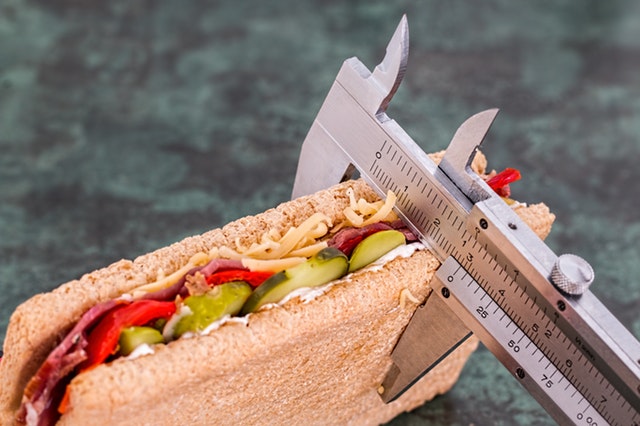
Having a high IQ is not going to save you from overeating and having a low IQ doesn’t doom you to it. How much we eat and what we eat are tied to the evolutionarily much older part of our brain. That “caveman” part of the brain says, “When should I eat? Anytime food is available of course!” What should I eat? The highest fat, densest calories food available, clearly!” And that was great when we were trying to survive on the Serengeti. But if you’re reading this I can safely assume you aren’t struggling to get enough calories. Intellectually we KNOW a healthier diet is a good idea. But when it comes to DOING it, well that’s a challenge.

We talk a lot about this subject and how to overcome it in the How to Feed a Human master class. But today I wanted to give you a few things you can think about that might help you make better food choices:

Who or what is controlling what you choose to eat? Sometimes it’s a spouse who does the shopping and cooking. Sometimes it’s what the kids will eat. Sometimes it’s just what you have “time” for. Sometimes it’s habit and sometimes it’s emotions. Taking the time to consider what is influencing your food choices it a great step in the right direction.

Which emotions are the most likely to cause you to make a poor choice?For some people negative emotions (sadness, anger, frustration, etc) are triggers. For others, celebration, happiness and excitement are reasons to eat. There is also a group of people who eat for both reasons. Which camp do you fall into?   

When you emotionally eat, what do you choose? This is likely one of two things; salt and fat or sugar and fat, maybe both and usually packaged with highly processed carbs. Super easy to eat A LOT of without thinking or feeling full. Know your devil and you’re more likely to be able to avoid him.

When do you Pavlovian eat (ie out of habit)? We all have habits that tell us to eat when we aren’t hungry. Times of day, TV shows, social events, activities. What queues trigger your mindless eating?

When you Pavlovian eat, what do you choose? I’m going to guess stuff that’s pretty similar to the emotional eating example. If you happen to be choosing brussels sprouts or legumes, carry on. Otherwise, something to consider.

Self-awareness is key to catching mindless eating. But just because you KNOW a healthy choice doesn’t mean you’ll choose it. Following a “food plan” or diet sounds like a grand idea when you feel good. But those high hopes often go out the window under stress, disappointment or unhappiness.

Instead of trying to bully yourself into healthy eating, try this: Make a note (preferably in writing) when you eat for a reason other than being hungry (you’ll have to be honest with yourself and actually know what hunger feels like). Write down what you ate, how you felt before you ate it and how you felt after. If you have any insight into why you chose the thing you did (I always eat x when I feel y or it reminds me of my grandma’s kitchen, etc), make note of that as well. Over time you’ll start to see a pattern of you emotional and Pavlovian eating; which will allow you to start thinking about your choice before it gets to your stomach.

Too many of us are perpetually on a diet. If we aren’t actively dieting we feel like we should be. Diets are a losing venture (pun intended). Most of them will cause weight loss (or it wouldn’t be a “diet”) but none of them are sustainable. There is no way humans are meant to count calories or points or macro and micro nutrients for the rest of our lives. It won’t work. But if you diet, as soon as you stop, the weight comes back and brings friends.

How about if we make a pact to stop dieting and start eating? If we start paying attention to what we eat, when we eat and why we eat, we can make choices that taste good, make us feel full and nourish our bodies, while treating treats as treats, processed “food” like the junk it is and things that cause metabolic disease (heart disease, diabetes, high blood pressure, high cholesterol) as not-food at all. Then we will have the freedom to live happier, healthier lives and stop worrying about overeating.

Dr Robyn is a former competitive volleyball player turned psychologist with continuing education in nutrition. Russ is a former competitive bodybuilder and trainer on the Mr. Olympia Tour. They are the co-founders of Whole Food Muscle and the authors of How to Feed a Human The Whole Food Muscle Way. To work with them one on one to improve your health and fitness or to have them speak at your event or organization email them at Health@RnRJourney.com.

Why Red Wine Is NOT A Health Food

Why Red Wine Is NOT A Health Food

This is likely to be the least favorite of all the articles I’ve written. But here at RnR we share the scientific information and you get to decide what to do with it. So here it goes:

This is the hard truth – Alcohol, in any form is an intoxicating, addictive, carcinogenic, neurotoxin and drug; not a therapeutic agent. Now that we have that out of the way, let’s look at some of the details.

Yes, there are doctors who will tell you red wine in “moderation” is “healthy.” I won’t get into my opinion that “moderation” just means “hit yourself with a smaller hammer” or what I think of doctors giving bad nutrition advice because in this case it doesn’t matter. Doctors say that because there are studies that have gotten “J-curve” results. That means that less death and illness were associated with drinking “some” red wine than when drinking none. You might think, “case closed.” But no. Looking more carefully at these studies it was discovered that the researches put people who never drank (teetotalers) in the same group with people who gave up drinking for health reasons. This is like calling someone who quit smoking because they have lung cancer a “non-smoker” and determining the risks/benefits of smoking based on that person. Three-quarters of drinking studies do this. That is plenty to skew the curve.

When previous drinkers are removed from the non-drinkers data, you get exactly what you’d expect, a dose-response line. That means less drinking, less risk; more drinking more risk. No hint of “moderate drinking is good for you.”

Alcohol in all forms, red wine included, creates a carcinogen as soon as it enters your mouth. Even if you spit it out, the carcinogen (agent that causes cells to replicate incorrectly) is already there. This is also true for mouthwash with alcohol in it.

Alcohol must be metabolized by the liver – that’s where toxins go to get removed. Can it handle it in small amounts? Sure. Is it ideal to make it do so? Probably not.

There is no such thing as the “French paradox.” The French are just a few years behind Americans in their eating high fat, sugar and salt foods on a regular basis so the diseases haven’t caught up yet. But they’re coming – sadly.

The Mediterranean diet isn’t healthy because of the wine (or the fish. But that’s a different conversation.) It’s healthier than the Standard American Diet (SAD) because it is mostly made up of plant foods.

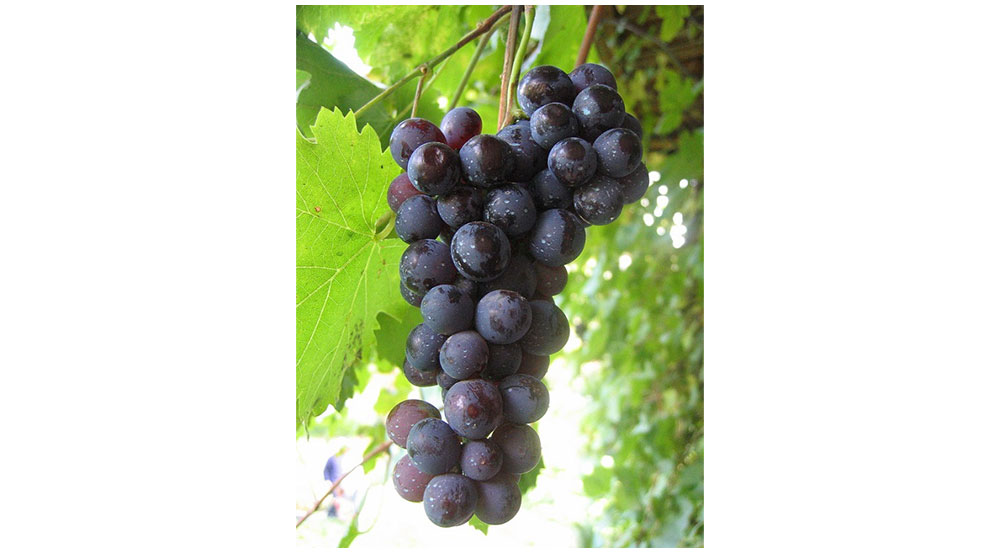
Red wine is empty calories and there is no “balance of harms.” All that said, if you’re going to choose to drink, red wine is the least bad thing you can choose. But don’t drink it because you think it’s health promoting. It’s not. Eat the grapes instead. They are actually really good for you.

Whenever we give a presentation that includes this topic we are always asked, “Do you drink?” As of right now, we will sometimes share a drink together or with friends. It is certainly far less than it once was. And if I (Robyn) had to guess I would say at some point in the future we will stop. As competitive athletes neither of us drank in our 20s. But it had become part of our lifestyle to have a drink or two a couple of times a week before we set out on this health journey. As we say with many things, the more we know the more we make little changes that add up to big changes when you look at them all together.

Having an adult beverage is a personal choice and we of all people would never condemn someone for choosing to do so. But being able to make those choices with your eyes wide open – that is empowerment.

Only you can say what is right for you. If you would like professional assistance, we are happy to provide our expertise through the community page here on the website (just become a member and ask away) or via one:one coaching

PS – Those of you in the path of hurricane Florence, please be safe. 

Dr Robyn is a former competitive volleyball player turned psychologist with continuing education in nutrition. Russ is a former competitive bodybuilder and trainer on the Mr. Olympia Tour. They are the co-founders of Whole Food Muscle and the authors of How to Feed a Human The Whole Food Muscle Way. To work with them one on one to improve your health and fitness or to have them speak at your event or organization email them at Health@RnRJourney.com.